
Last updated November 18, 2026
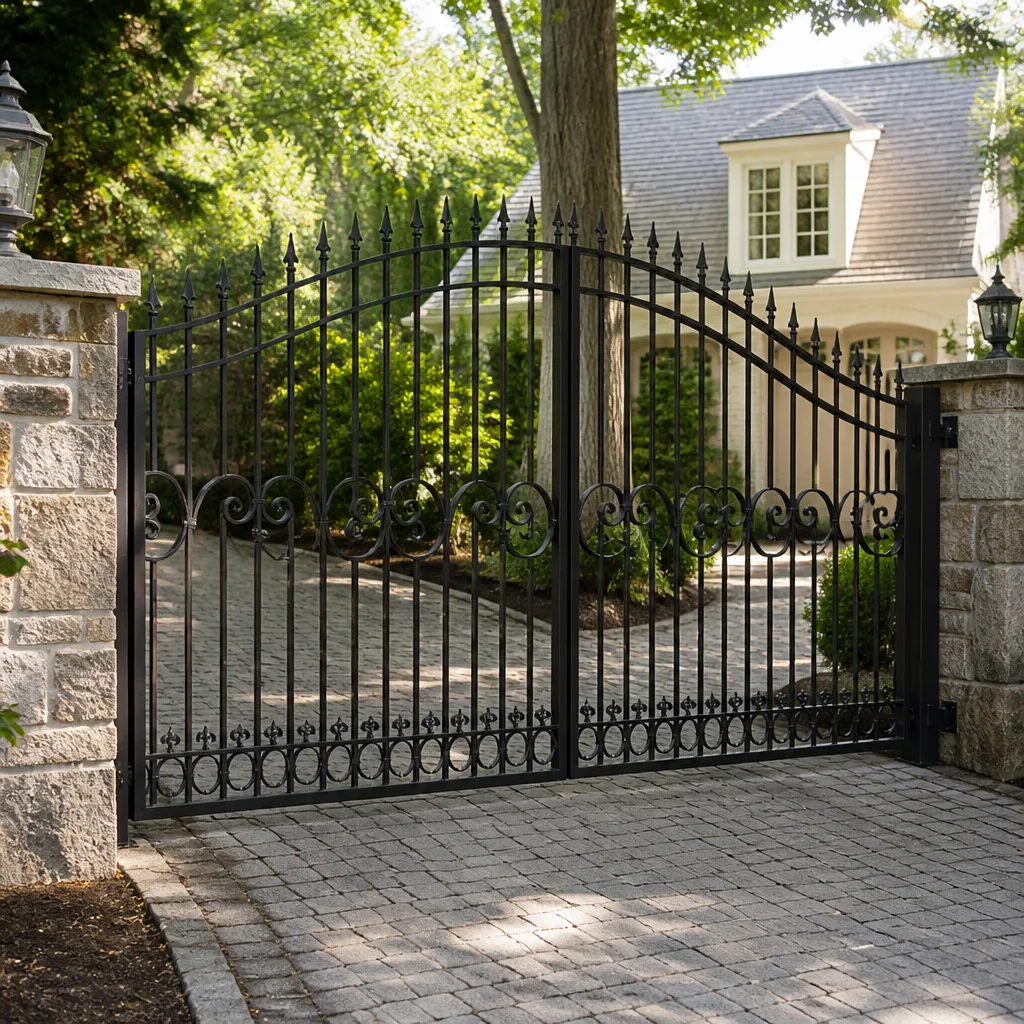 Wrought iron
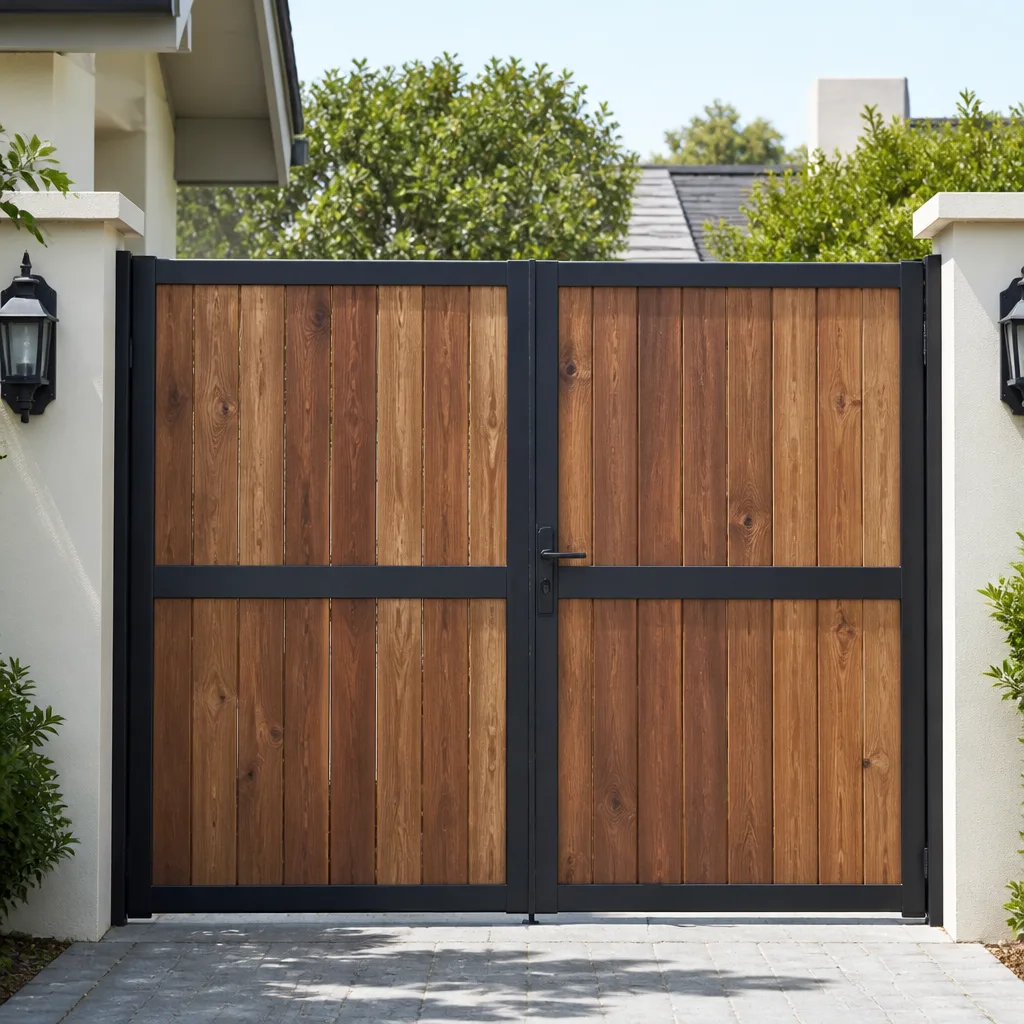 Wood & steel frame
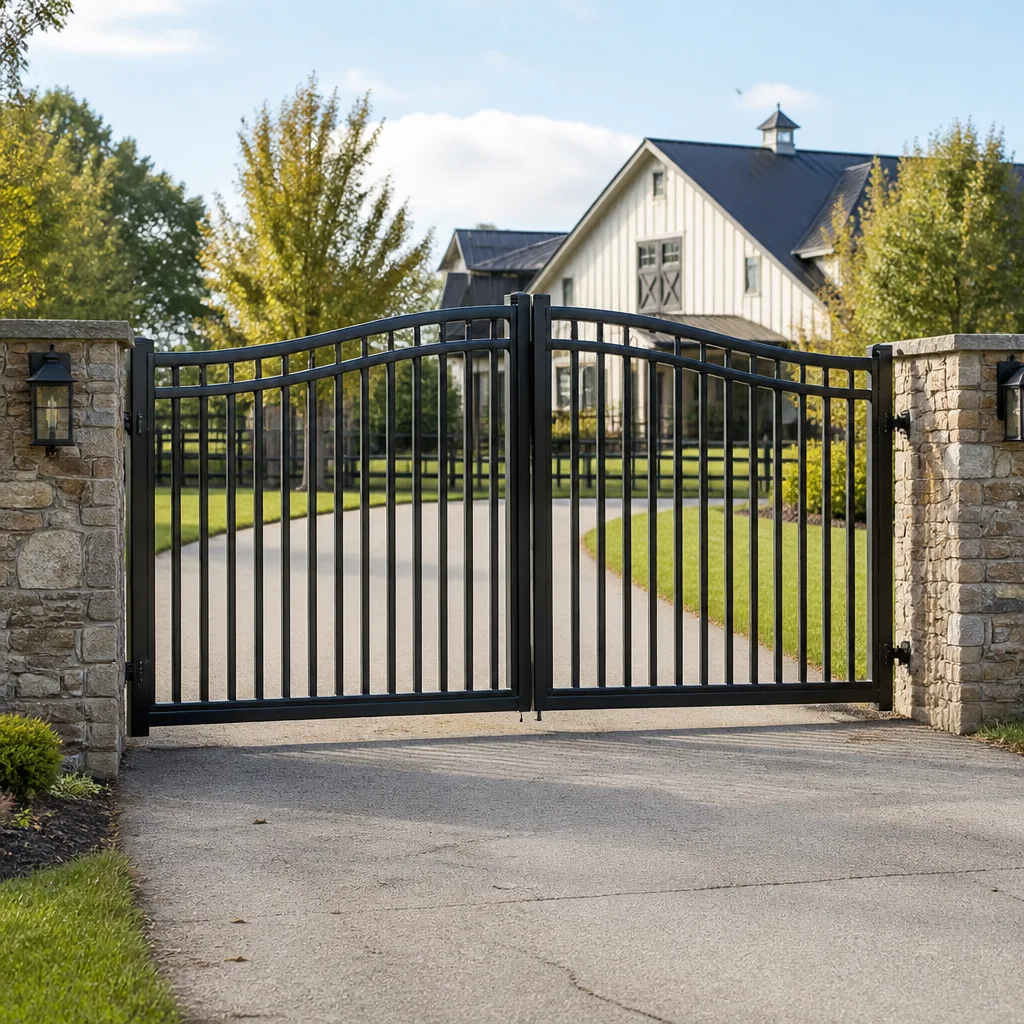 Farm & ranch
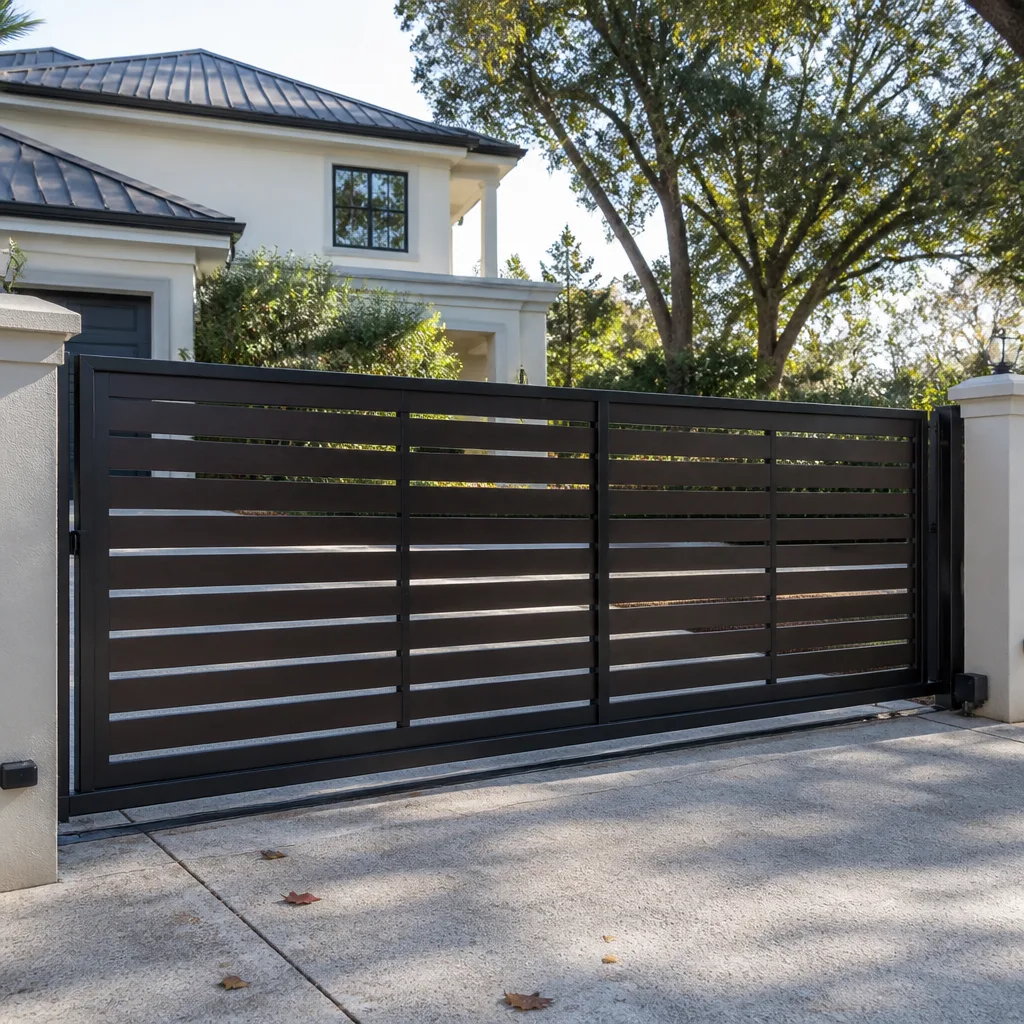 Sliding driveway gates
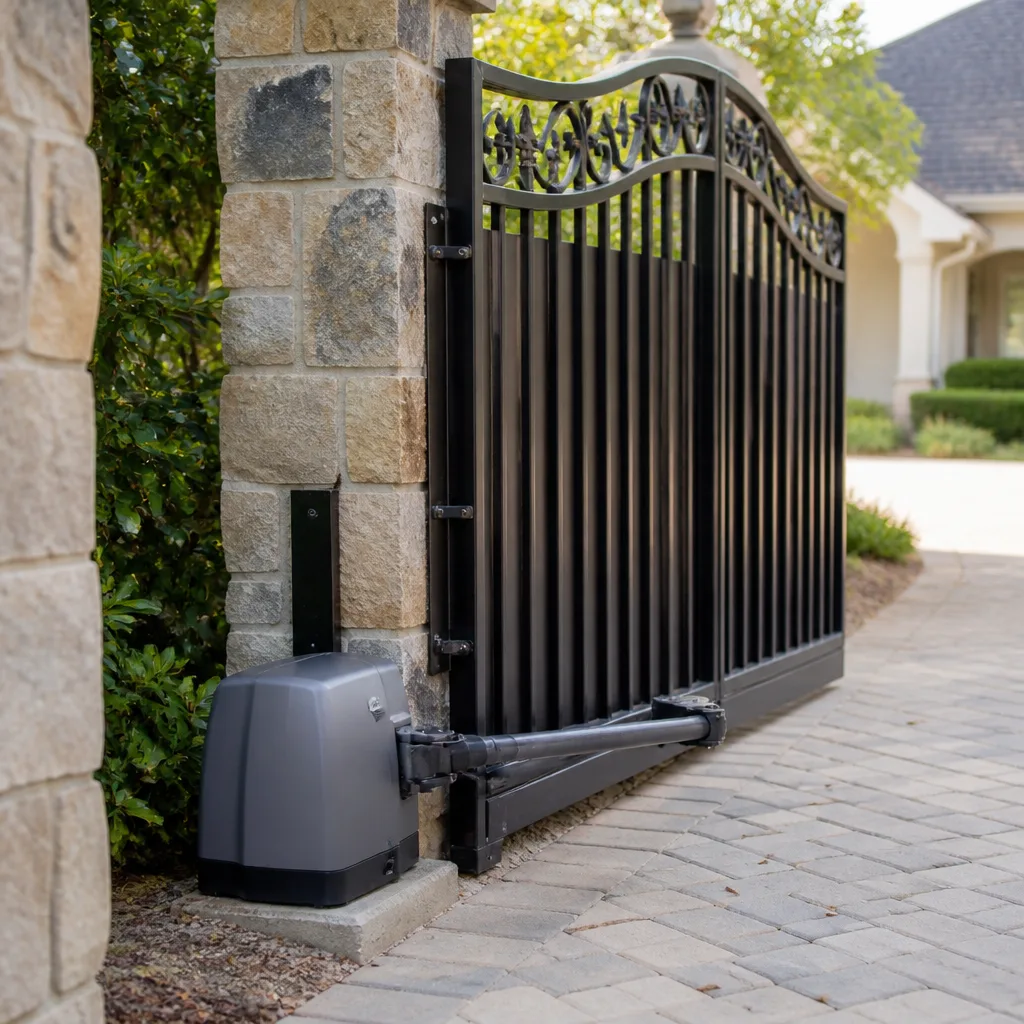 LiftMaster operators
Free on-site gate assessment - hinges, posts, and your LiftMaster or Nice gate operator checked before anything is quoted
The assessment is free and the quote is the invoice.
Get your free estimateThe Complete Gate Motor & Opener Guide for Sunrise Manor Homeowners
A residential-rated operator running a heavy ornamental iron gate through a Vegas summer is the mechanical equivalent of towing a boat with a sedan. It’ll do it, right up until it won’t. We’ve pulled operators off gates in Sunrise Manor that were rated for a 300-pound gate and were dragging 900 pounds of welded steel, and we’ve pulled others where the control board had baked itself into a brown crisp after two summers on a west-facing wall. Most folks never get told the difference between a motor that fits the job and one that fits the box. This guide covers duty cycles, heat, power, drive types, and the plain-language reasons some operators last a decade out here and others don’t make it past 18 months.
Quick Answer
For most Sunrise Manor homes, the right gate operator comes down to three numbers: gate weight, cycles per day, and whether the gate runs on AC or solar. A sliding gate under 500 pounds with fewer than 20 cycles a day is fine on a residential-class LiftMaster or FAAC; a swing gate over 600 pounds or one that opens 30-plus times a day needs a commercial-duty board rated for sustained 110°F heat. Undersizing the operator is the single most common reason gate motors fail early in Sunrise Manor, and it’s almost always invisible until the second summer.
Styles & brands we work with
- Wrought iron
- Wood & steel frame
- Farm & ranch
- Sliding driveway gates
- LiftMaster operators
Table of Contents
- What Is a Duty Cycle, and Why Does It Matter More in Sunrise Manor?
- How Does Sunrise Manor Heat Kill Gate Motors?
- Solar vs. AC Power: Which Makes Sense Here?
- Underground vs. Articulated Arm vs. Linear Drive
- UL 325 and Safety Edges: What Every Gate Needs
- What We Actually Recommend (and Why)
- What a Proper Installation Looks Like
- The Maintenance Schedule That Actually Works
What Is a Duty Cycle, and Why Does It Matter More in Sunrise Manor?
A duty cycle is simply how much work a motor can do in a given hour before it has to rest. Residential operators are typically rated for 12 to 20 cycles per hour at a modest gate weight. Commercial-duty operators are rated for continuous use at much heavier loads. That difference isn’t marketing fluff – it’s the size of the motor windings, the thermal mass of the housing, and the class of control board inside.
Here’s where homeowners in Sunrise Manor get tripped up. A family of four with two cars and a landscaper coming twice a week might hit 15 cycles a day and be fine on a residential unit. But add a pool cleaner, a dog walker, a delivery truck, and a teenager who can’t remember to close the gate behind him, and you’re suddenly at 40 cycles a day in July. The motor that was “rated for it” on the box isn’t rated for that many cycles in 112°F ambient heat.
In our experience, the failure pattern is predictable:
- Year one: Works great. No symptoms.
- Year two: Starts hesitating mid-travel on hot afternoons. The homeowner thinks the gate is sticking.
- Year three: Control board overheats and shuts down. Sometimes it comes back after cooling. Sometimes it doesn’t.
Once a board has cooked itself twice, it’s done. Replacement boards are the expensive part – often more than the original operator cost. If your gate runs more than 20 cycles a day in Sunrise Manor, tell your installer that number up front and ask for a commercial-duty board. It’s a small upcharge that buys years.
How Does Sunrise Manor Heat Kill Gate Motors?
Motors are rated for a maximum ambient temperature, and most residential units are rated to 140°F. That sounds like plenty until you remember that a motor mounted on a west-facing wall in Sunrise Manor can see surface temperatures well past 160°F in late July, and the motor housing traps heat on top of that. The windings, the capacitors, and the control board all suffer.
What commercial-class boards do differently:
- Bigger heat sinks and thicker housings. More metal to absorb and dissipate heat.
- Thermal cutoff with recovery. A commercial board shuts down cleanly and restarts when it cools. A cheap board just fails.
- Higher-grade capacitors. The cheap ones bulge and leak after two summers.
- Better surge protection on the board itself. Sunrise Manor sees power blips during monsoon season – the grid isn’t gentle out here.
We’ve also seen a lot of operators installed with the control box facing the afternoon sun because it was the shortest wire run. That’s a mistake. Mounting the operator on the east side of the post, or shading the control box with a small sheet-metal hood, adds years to the board. If your operator is currently baking on a west wall, ask your gate tech about relocating the box. It’s usually a modest job that pays for itself.
Solar vs. AC Power: Which Makes Sense Here?
If you have reliable AC power within reasonable trenching distance of the gate, run AC. That’s the short answer, and it’s the one we give most Sunrise Manor homeowners. Hardwired AC is more consistent, cheaper over time, and lets you run larger operators without worrying about battery reserve.
But if your gate is at the far end of a long driveway and the power panel is 200 feet back, solar becomes genuinely attractive. So does solar if you’re on a rural lot in the eastern parts of Sunrise Manor where the grid blips regularly during monsoon season and a brownout every third week is normal.
The honest breakdown:
- AC-powered operators work best when the panel is within about 150 feet of the gate, the trenching cost is manageable, and the utility is reliable. Sunrise Manor’s grid is mostly fine but does flicker in July and August.
- Solar operators work well when trenching isn’t practical, the gate runs under 20 cycles a day, and the panel gets at least 5 hours of direct sun. They are less ideal if you’re opening the gate 40 times a day – batteries can’t keep up indefinitely without good sun.
HOA rules matter too. Some Sunrise Manor subdivisions require certain panel placements or prohibit visible solar arrays on the street side of the fence. Check with your HOA before committing to solar. We’ve seen a homeowner buy a solar unit, then have to fight the HOA for three months over panel placement – losing a whole summer of use.
Underground vs. Articulated Arm vs. Linear Drive
The drive type should be determined by the gate itself, not the other way around. We’ve seen installers sell a homeowner an underground operator for a gate that would have been perfectly happy on a linear drive, and we’ve seen the reverse – a linear drive crammed onto a gate that needed the torque of an underground unit.
Here’s a plain-language match of drive type to gate geometry:
- Underground (in-ground) operators – best for swing gates on a solid, level surface where the hinge line is straight and you want a clean look with no visible arm. Common in Sunrise Manor on estate-style entry gates. Requires good drainage and a concrete pad, and the box must be dug below the frost line (not an issue here) but above the water table (occasionally an issue on lots near the wash).
- Articulated arm operators – the workhorse for swing gates. Bolts onto the post and the gate leaf. Handles gates up to roughly 800 pounds in residential use. Works on uneven ground; less fussy about the pad. This is what most Sunrise Manor swing-gate homes end up with, and there’s nothing wrong with that.
- Linear drive operators – best for sliding gates. Mounts horizontally and drives the gate along the rack. Handles heavier gates (up to 1,000-plus pounds on a commercial board) and consistent cycle counts. If your Sunrise Manor gate slides rather than swings, this is the standard choice.
- Swing gate with reverse drive – a variation sometimes sold for narrow driveways. Works, but the geometry is finicky and small misalignment causes premature wear. Only go this route with an installer who has done many of them.
The corner-cutting we see locally: installers who skip the concrete pad under an underground operator to save a day, and installers who bolt a linear drive to a gate that’s already sagging. Fix the gate first, or the operator works against a bent gate for its entire life. That’s the biggest reason we start every job by looking at the gate, not the motor.
UL 325 and Safety Edges: What Every Gate Needs
Every automatic gate that opens and closes by itself needs three things: an obstruction-sensing primary control, a safety edge on the closing side, and photo-eyes or a loop detector to prevent closing on a vehicle or a person. UL 325 is the standard the operator itself must meet – a lot of cheap import units on the market do not.
In Sunrise Manor, we see a specific and serious problem: gates installed by a landscaper or handyman who was competent with posts and panels but had never read a UL 325 manual. Those gates work fine for months, then one day close on a kid’s bicycle, or worse. This is not a “nice to have.” A gate with an automatic operator and no safety edge is a hazard.
If you’re not sure whether your gate has the right safety equipment, have a qualified tech look at it. Do not disable photo-eyes or safety edges to “make the gate close faster” – we’ve pulled out more than one jumper wire a homeowner had added after the gate started acting up. The gate was acting up because a safety edge was doing its job.
What We Actually Recommend (and Why)
We service nine brands – LiftMaster, FAAC, BFT, Linear, Viking, Ghost Controls, DoorKing, Elite, and Mighty Mule – and we don’t push one over the others. What we do recommend is a short list based on what has survived the Sunrise Manor climate through years of service calls.
What holds up:
- LiftMaster residential and light-commercial boards. Parts availability in Las Vegas is excellent, which matters when a board fails in July and you don’t want to wait a week for a replacement.
- FAAC articulated arm operators on heavy swing gates. Overbuilt in a good way. Their control boards handle heat better than most.
- BFT underground operators on estate gates. Good torque, good sealing, and the boards don’t melt.
- Mighty Mule for light residential swing gates under 400 pounds, where budget matters and the cycle count is modest.
What we’re cautious about: the cheapest import operators sold online. We’ve seen them fail inside a year in Sunrise Manor heat, and we’ve seen the more insidious problem – a board that works fine but has no UL 325 listing, which puts the homeowner in a bad spot if there’s ever an injury or an insurance claim. The savings on the unit get eaten in the first service call.
If you want to see what we actually recommend for your gate, Gate Motor & Opener in Sunrise Manor covers the specific operators we stock and why – and we’re happy to walk through the numbers on your driveway.
What a Proper Installation Looks Like
Installation is where most operators fail. The motor itself is often fine; the install is what kills it. Here’s what a proper install looks like, in the order we do it:
- Assess the gate first. Is the hinge post solid, or is the gate sagging? Is the frame straight? Are the hinges binding? Fix the gate before specifying the operator.
- Confirm the power source. Where does the AC come from, and is trenching practical? If solar, does the panel angle get enough sun in winter?
- Verify the gate operator capacity. Weigh the gate leaf, count expected cycles, and pick the operator with headroom. Aim for an operator rated at 1.5x the actual gate weight.
- Set the mounting pad or bracket. Concrete pad for underground units, properly anchored bracket for articulated and linear drives. No shortcuts here.
- Run the wiring in conduit. Direct-burial low-voltage wire survives about three years in Sunrise Manor’s soil before it fails. Conduit is the difference between a 20-year install and a re-do.
- Install photo-eyes and safety edge. Position photo-eyes at the correct height, wire the safety edge into the board, test every path.
- Program travel limits, force, and reverse settings. This is where the installer’s skill shows. Force setting too high is a hazard; too low and the gate reverses on a breeze.
- Test in all conditions. Cycle the gate in the heat of the afternoon, not at 8 a.m. in April. A gate that passes at dawn can fail at 3 p.m. in July.
The installs that cut corners, in our experience, cut the same three: they skip the pad, they skip the conduit, and they don’t re-check the gate for sag before mounting. Any one of those three is enough to cut the operator’s life in half. When we look at a brand-new install, we repair replace work on these constantly – the owner pays for the operator twice.
The Maintenance Schedule That Actually Works
Gate motors don’t need much, but they need it consistently. The schedule below is what we recommend to Sunrise Manor homeowners when we finish an install:
- Monthly: Walk the gate through its full travel and listen. New grinding, skipping, or hesitation is worth a look before it becomes a service call.
- Quarterly: Clean the photo-eyes and the safety edge. Dust coat on a photo-eye is the number-one cause of “the gate keeps reversing” calls in Sunrise Manor.
- Every 6 months: Lubricate the hinges, the rack, and any moving parts on the drive. Use a dry silicone spray, not oil – oil attracts dust out here and turns into grinding paste.
- Every 12 months: Full function test including safety edge, force settings, and battery backup (if solar). Check the control box for signs of overheating or corrosion.
- Every 2-3 years: Inspect wiring, check the pad or bracket for shifting, and re-torque the mounting hardware. Ground shifts in Sunrise Manor during summer can throw off alignment subtly.
If your gate is over about 8 years old and hasn’t had an inspection, book one. A failed operator caught early is a $200 repair; a failed operator caught after it also cooked the board is a $700 repair. If you’re installing new, Gate Installation in Sunrise Manor covers what a proper install includes step by step.
Common Mistakes to Avoid
- Buying on price and cycle rating alone. A cheap operator rated for 20 cycles is not rated for 20 cycles in 112°F. The heat derates the whole machine, and the box spec doesn’t always say so.
- Skipping the gate assessment. Mounting a brand-new operator on a gate that already sags is a guaranteed early failure. Fix the hinge post first – always.
- Disabling the safety edge or photo-eyes. We’ve pulled jumper wires out of more Sunrise Manor installations than we care to count. The gate was reversing because the safety was working. Do not disable it.
- Mounting the control box on the west-facing wall. It looks clean and it cooks the board. Ask for a shaded location or an east-side mount.
- Direct-burying low-voltage wire. No conduit is a small savings and a guaranteed re-do. We always run conduit.
- Skipping the HOA check before installing solar. Some Sunrise Manor subdivisions restrict panel placement or visible equipment. Losing a summer to an HOA fight is worse than skipping a solar install.
- Not verifying the operator has a UL 325 listing. Cheap import operators sometimes don’t. That’s a risk you don’t need, especially if you ever file an insurance claim.
See the difference
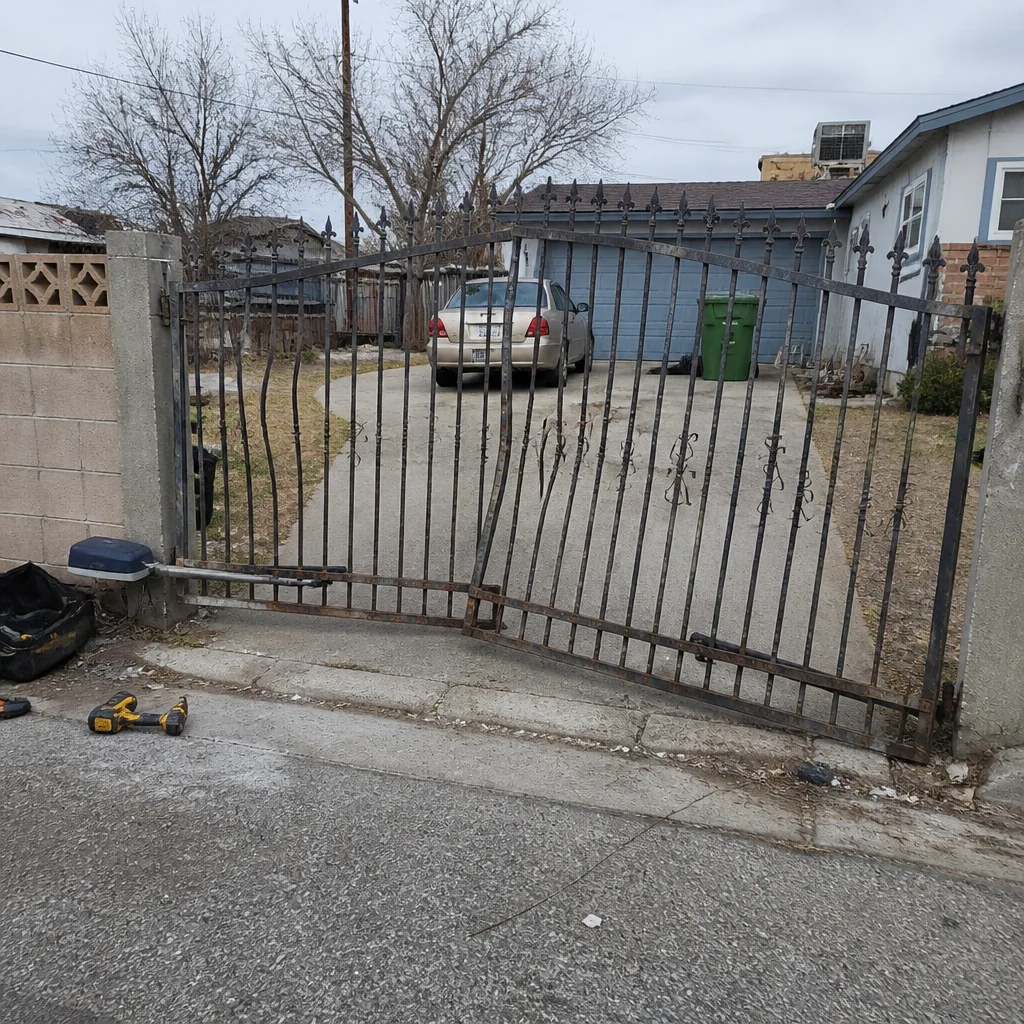 Before
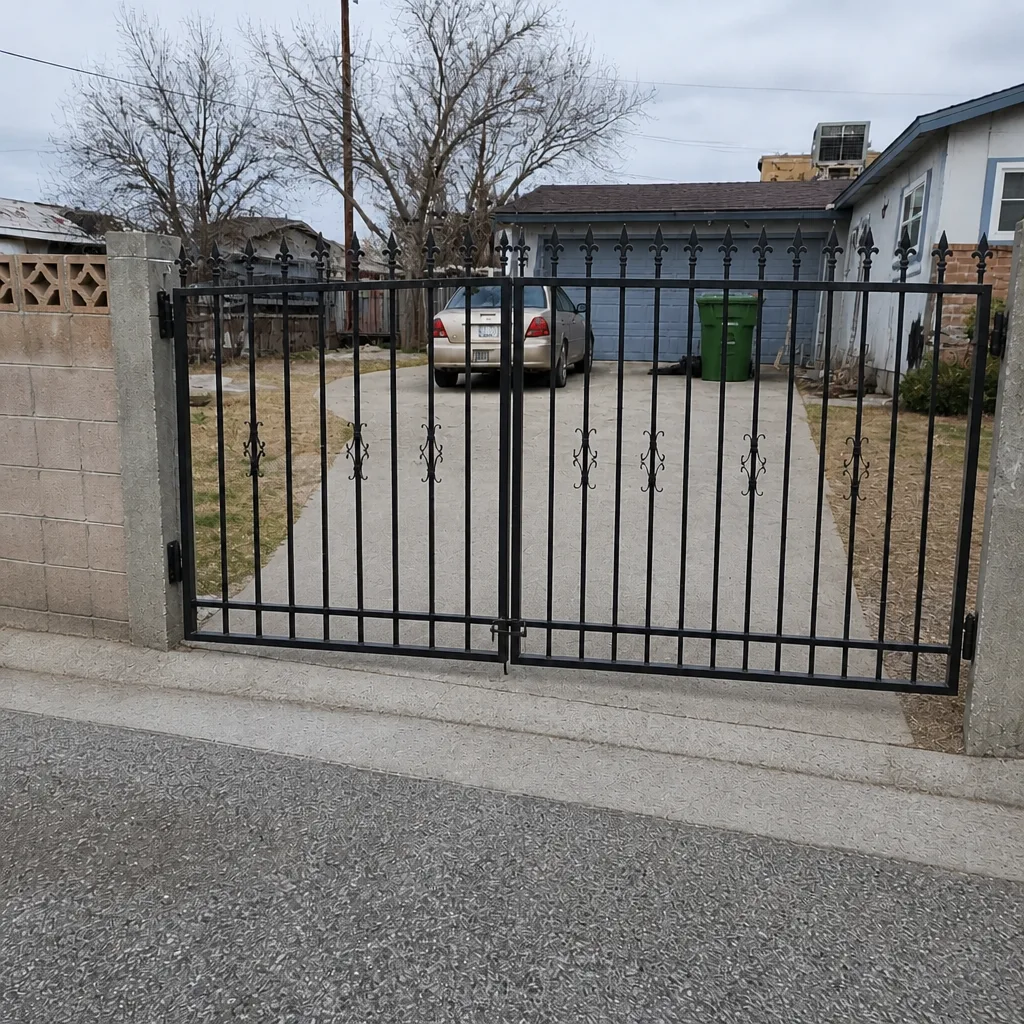 After
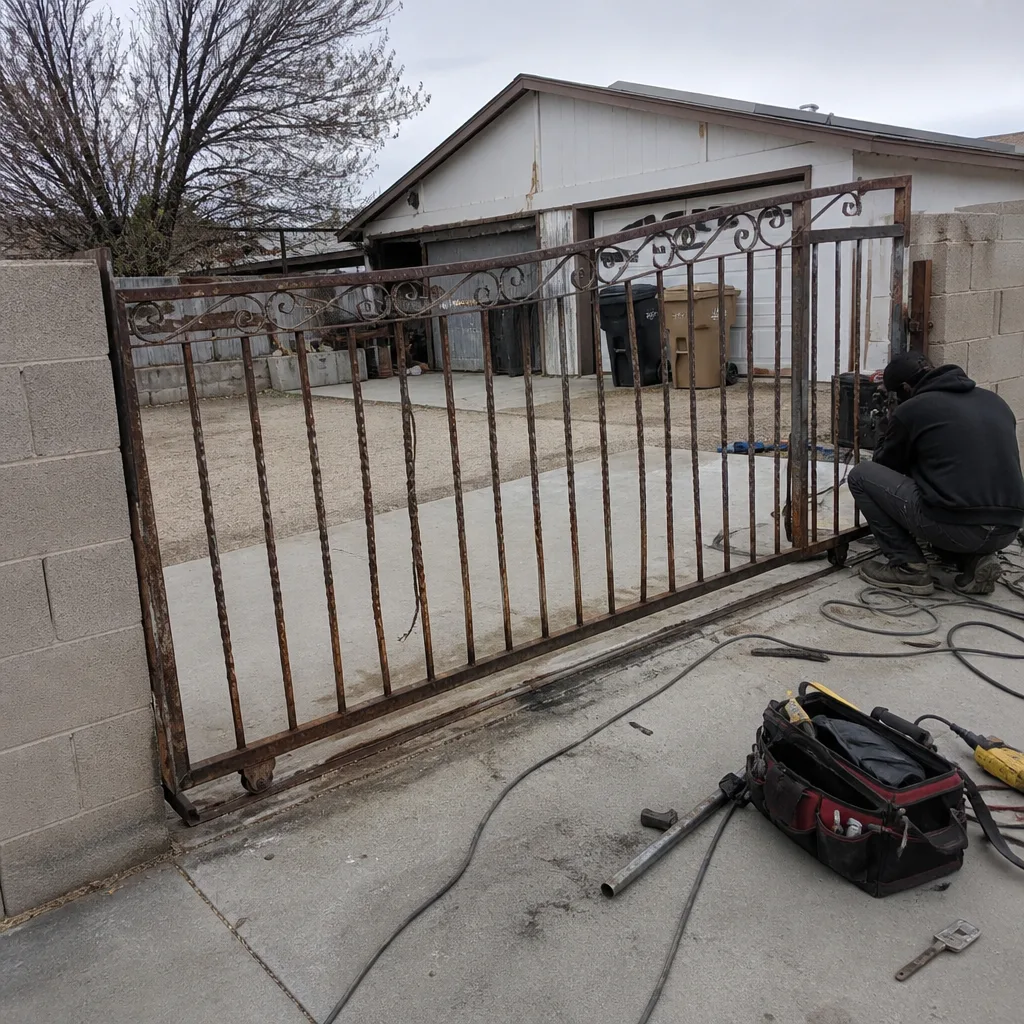 Before
 After
 Before
 After
When to Call a Professional
Call a gate technician if any of the following is true: the gate reverses unexpectedly, the operator hums but the gate doesn’t move, the gate runs slower on hot afternoons than it does in the morning, the control board has visible burns or bulging capacitors, the safety edge or photo-eyes aren’t responding, or you’re shopping for a new operator and haven’t yet confirmed the gate weight and cycle count. We also recommend a professional look before buying a used or online-only operator – we’ve seen far too many of them fail inside a year in Sunrise Manor heat, and the warranty and safety paperwork often don’t hold up. If you’re not sure whether the problem is the motor or the gate itself, have someone look at both together. Gatewood Fence & Gate Sunrise Manor offers free estimates in Sunrise Manor – call (844) 761-8729. We’ll tell you what’s actually wrong, and we’ll quote the price before any work starts.
Frequently Asked Questions
For most Sunrise Manor homes, a LiftMaster light-commercial board, a FAAC articulated arm, or a BFT underground operator are the safest bets for sustained heat. The key isn’t the brand – it’s picking an operator that’s rated well above your actual gate weight and cycles. A residential unit that’s barely rated for the job will fail in about two summers in Sunrise Manor heat. Call (844) 761-8729 for a free estimate; we’ll look at the gate first and recommend accordingly.
Count every opening and closing, including the dog walker, the pool cleaner, and delivery trucks, then add 50%. If that number is above 20, buy a commercial-duty operator. If it’s above 40, you need a commercial board with heat sinks and thermal cutoff. In our experience, the homeowner’s estimate of cycles per day is usually half what the gate actually does. Call (844) 761-8729 and we’ll walk the property with you and count.
They’re reliable if the gate runs under 20 cycles a day and the panel gets real sun, but they’re not the right choice for high-cycle gates. Sunrise Manor’s grid is mostly fine – we recommend AC for most residential installs and solar for long driveways where trenching isn’t practical. If your HOA restricts panel placement, check before you buy. Call (844) 761-8729 to talk through the tradeoffs; estimates are free.
We don’t recommend it. UL 325 safety requirements, force settings, safety-edge wiring, and photo-eye placement are the parts that protect you and your family, and getting them wrong can make the gate dangerous. We’ve pulled more than one homeowner-installed operator off a gate after an injury. It’s a job for someone who has done it many times. Call (844) 761-8729 – we’ll quote the install before any work starts.
A properly sized and installed operator should last 10 to 15 years in Sunrise Manor. An undersized one might make it three. The difference is almost always sizing, mounting, and shading the control box – not the brand of the motor. If yours is under 5 years old and already giving trouble, the operator is likely too small for the gate. Call (844) 761-8729 and we’ll take a look.
In most cases, yes – electrical work for the operator, plus the trenching for the power run, often falls under a permit depending on how the property is zoned. Ask your installer to confirm before starting. We always confirm permit requirements before we begin, and we build the permit into the quote so there are no surprises. Call (844) 761-8729 to talk through the specifics for your property.
The Bottom Line
The right gate motor for a Sunrise Manor home is the one sized for the actual gate and the actual cycles, mounted in a place that doesn’t bake the control board, wired with conduit, and equipped with a real UL 325 safety setup. Price and brand matter less than sizing and installation, and the local heat plus monsoon grid blips make both of those more important here than a national spec sheet will ever reflect. Fix the gate first. Size the operator with headroom. Shade the box. And if you’re unsure, get a second opinion on your gate before you buy anything – it’s the cheapest diagnostic in the trade.
Contact
If you’d like to talk through an operator replacement, a repair, or a new installation, call (844) 761-8729 for a free estimate. We service LiftMaster, FAAC, BFT, Linear, Viking, Ghost Controls, DoorKing, Elite, and Mighty Mule, and we’ll tell you straight whether you need a new motor or just a repair. Every job comes with a 90-Day Done Right Promise in writing, and the price is agreed before we start – no surprises at the door. Gatewood Fence & Gate Sunrise Manor, on-site welding and gate repair in Sunrise Manor.
Written by the team at Gatewood Fence & Gate Sunrise Manor.