
Last updated November 18, 2026
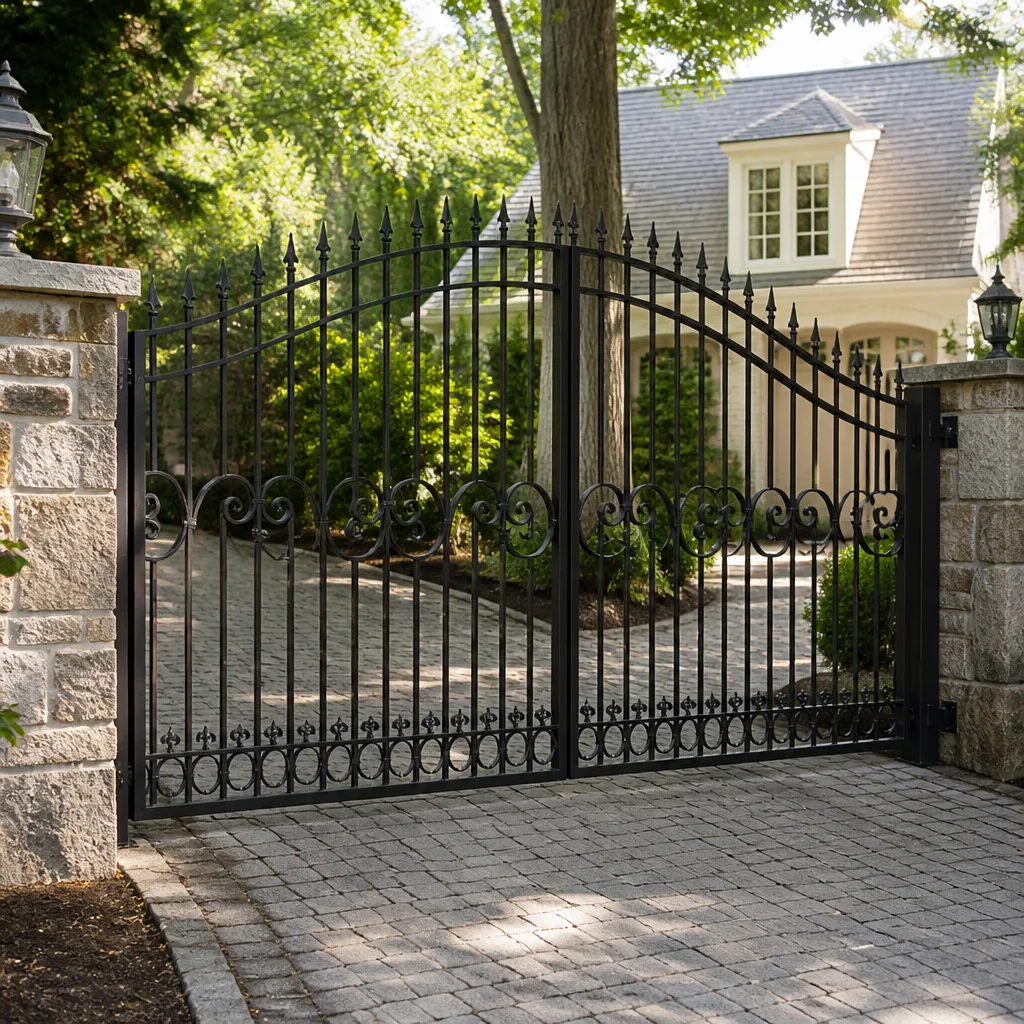 Wrought iron
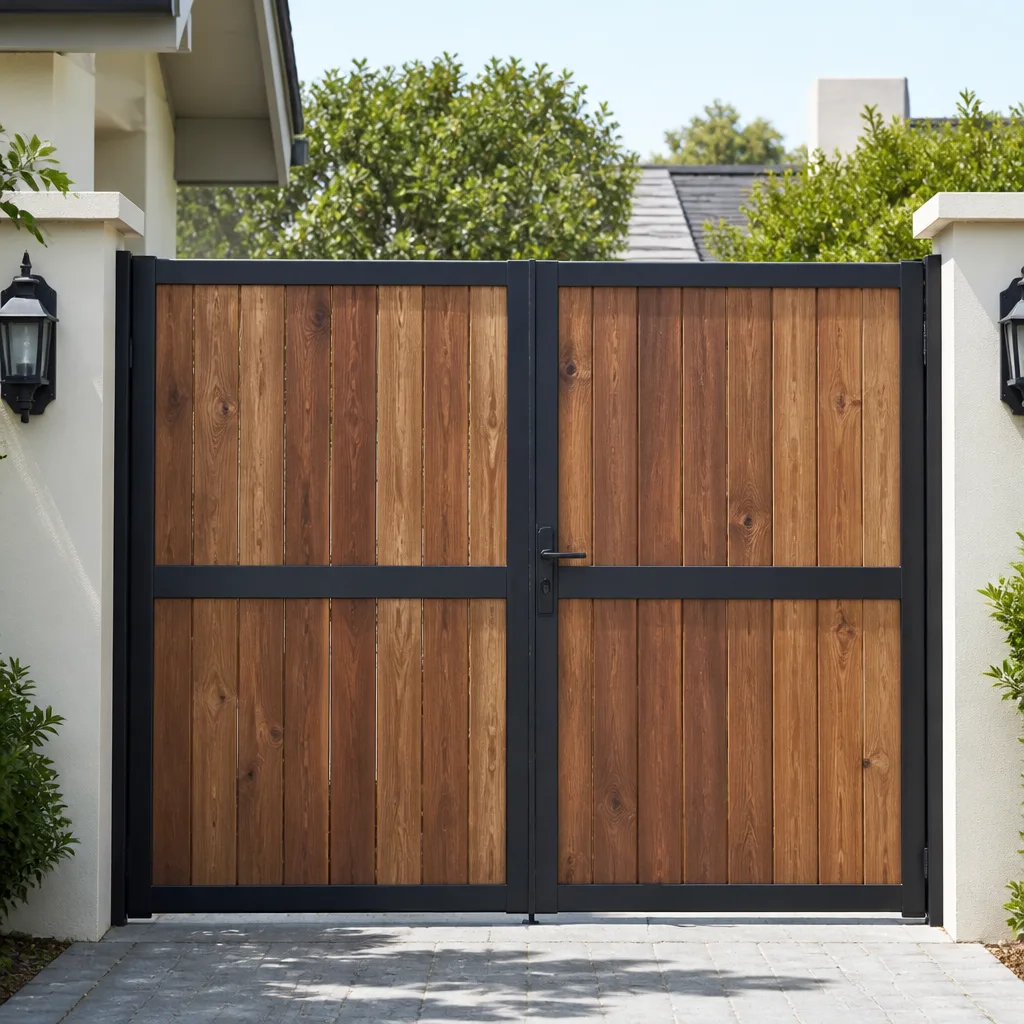 Wood & steel frame
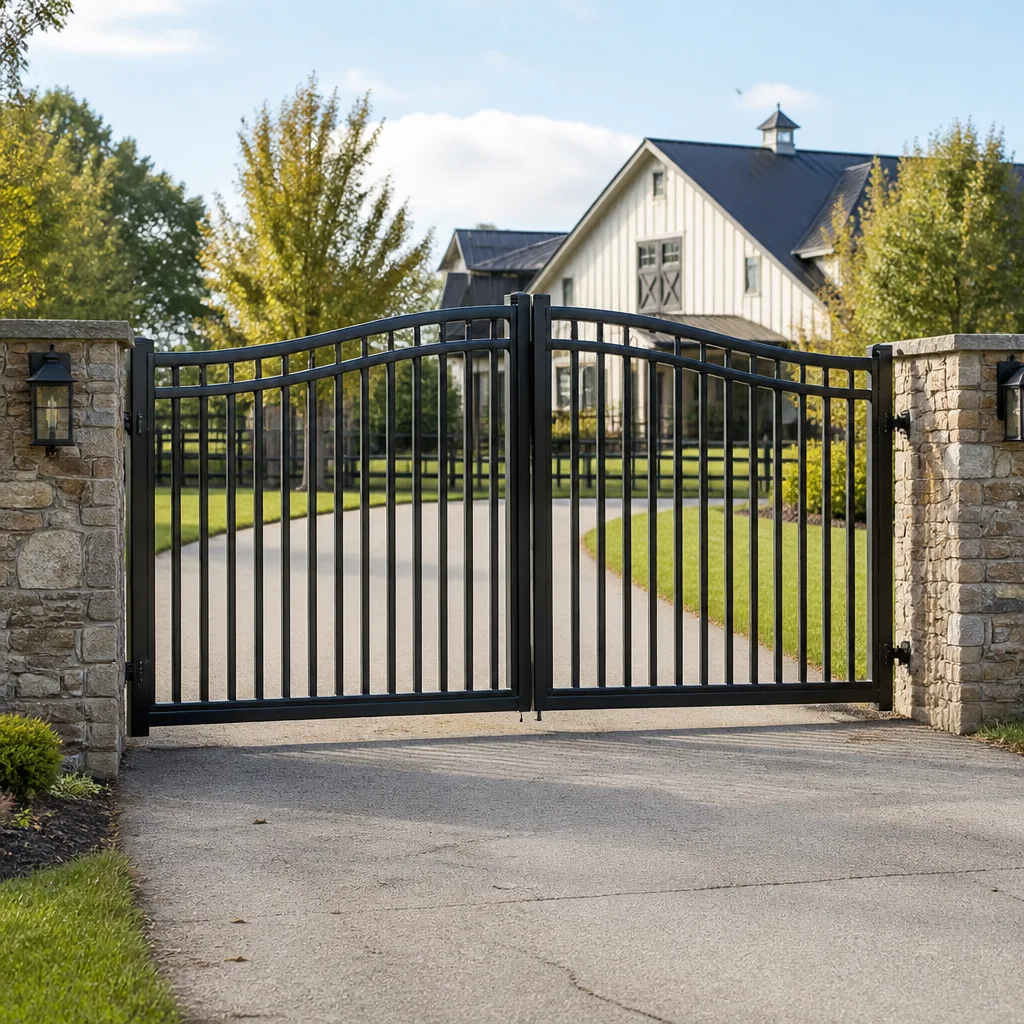 Farm & ranch
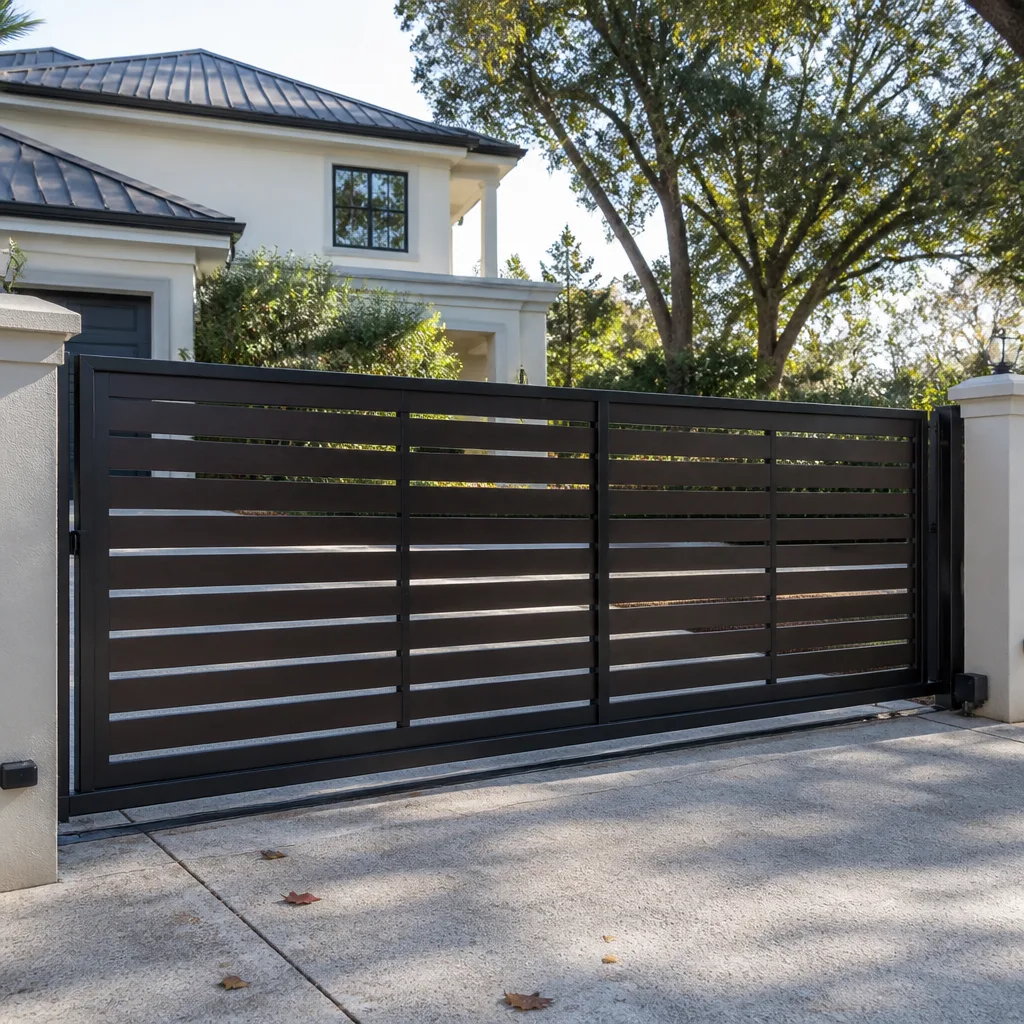 Sliding driveway gates
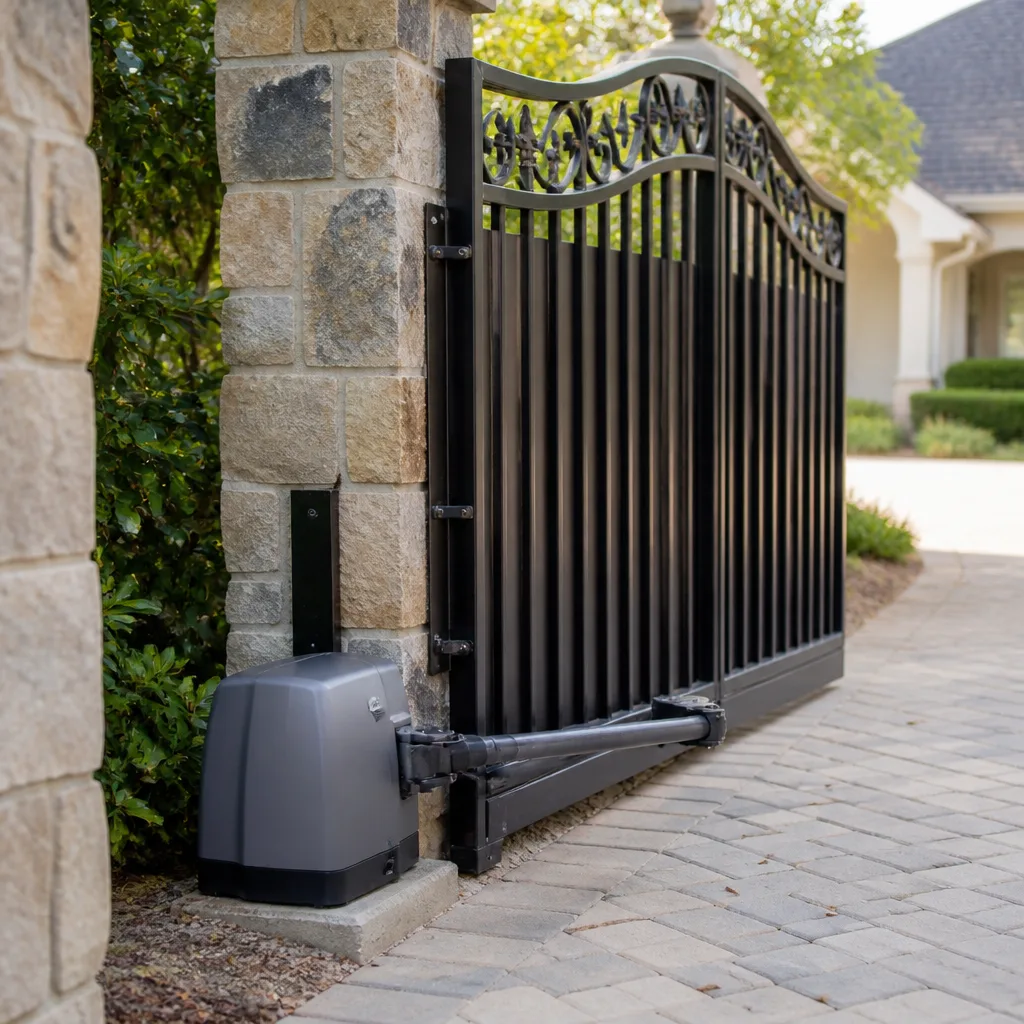 LiftMaster operators
Free on-site gate assessment - hinges, posts, and your LiftMaster or Nice gate operator checked before anything is quoted
The assessment is free and the quote is the invoice.
Get your free estimateHow Long Does Gate Motor & Opener Take? Timelines and What to Expect
Our crew can bolt an operator to a prepped pad in under two hours. What the job estimate doesn’t always make clear is that “prepped pad” sometimes means a full day of conduit work the week before, and the gate itself might need a hinge post reset before any motor goes on it. In Sunrise Manor, where block walls and caliche-hard soil shape almost every trench, the honest clock rarely matches the phone quote from a company three states away. This guide maps the real timeline for a gate motor and opener install: the prerequisites that set the schedule, what actually happens on install day, why programming eats more hours than people expect, and what “done” needs to mean before anyone drives off. You’ll finish knowing how to plan around the work instead of being surprised by it.
Quick Answer
A gate motor and opener installation usually takes 3 to 6 hours of on-site labor for a standard single-swing residential gate, and 5 to 8 hours for a double swing or sliding gate with access control. The full timeline from first call to finished gate is typically 1 to 3 weeks, because conduit, electrical, concrete cure time, and parts ordering sit between the estimate and the install day. A straight swap of an old operator onto existing wiring can be done in a single 3 to 4 hour visit.
Styles & brands we work with
- Wrought iron
- Wood & steel frame
- Farm & ranch
- Sliding driveway gates
- LiftMaster operators
Table of Contents
- The Three Clocks That Control Your Timeline
- Pre-Installation Prerequisites That Set the Real Timeline
- Installation Day, Broken Into Real Phases
- Why Programming and Safety Calibration Take So Long
- Swapping an Old Operator vs. a Fresh Install
- What “Done” Actually Means
- Sunrise Manor Factors: Soil, Heat, and Power Runs
- Common Mistakes to Avoid
The Three Clocks That Control Your Timeline
Most homeowners measure a gate motor job in hours. In our experience, a gate motor and opener project runs on three separate clocks, and only one of them is measured in hours.
- The power clock is measured in days to weeks. Running an electrical circuit to the gate, trenching conduit through hard ground, and getting an electrician out to make the final connection can take longer than the install itself.
- The concrete clock is measured in hours to a day. Anchors set in fresh concrete need time to cure before you hang a motor on them and cycle the gate. Rush this and you’ll be back out there resetting anchors.
- The install clock is the one everybody wants to talk about, and it’s the short one. Bolting the operator down, mounting the arms or chain, wiring the controls, and programming safety devices.
The mistake is treating the third clock as the whole job. When a homeowner in Sunrise Manor asks how long a gate opener takes, the real answer depends on whether the power and concrete clocks are already running. If you’ve got a live circuit and a poured pad waiting, the day is short. If you’re starting from a gate that’s never had a motor, the day is short but the calendar is not. Plan around the first two clocks and the install day takes care of itself. Our Gate Motor & Opener in Sunrise Manor page covers the service side; this guide covers the clock.
Pre-Installation Prerequisites That Set the Real Timeline
Before a single bolt goes in, three things have to be true. Each one can add days to your timeline if it isn’t handled early.
1. Electrical circuit availability
Most residential gate operators run on 120V AC, though some solar and low-voltage options exist for gates far from the house. If there’s no circuit at the gate, an electrician has to run one, and that’s a separate trade on a separate schedule. In our experience this is the single biggest cause of a stalled gate motor job: the gate is ready, the operator is on the shelf, and the circuit isn’t there yet. Low-voltage and solar operators avoid some of this, but they bring their own battery and panel considerations.
2. Conduit run length and obstacles
Conduit is the buried pipe that carries wire from the power source to the operator and from the operator to any keypad, loop, or safety device. A short straight run across open dirt is quick. A run under a driveway, around a block wall, or through the caliche that hardens much of the Sunrise Manor ground takes real hours. Trenching and conduit work can easily consume a full day before install day even starts.
3. Existing gate structural condition
An operator pushes and pulls a gate thousands of times a year. If the gate sags, drags, or the hinge post is loose, the motor will fight the gate and fail early. In Sunrise Manor we regularly see hinge posts that have shifted in the soil, and a gate that sags in the hinge post, not in the middle, is where we start. Fix the panel without the post and you’ll fix it twice. Stabilizing the gate first belongs on the schedule, and sometimes that means a same-week Gate Repair in Sunrise Manor visit before any automation goes on.
Installation Day, Broken Into Real Phases
Here’s what a standard single-swing or sliding gate install day looks like, phase by phase. These are honest ranges, not best-case scenarios, and they assume the pad is set and power is present.
- Setup and layout (30 to 45 minutes). Confirm the operator mounting location, check gate swing clearance, and stage tools. If anything is off from the estimate, like a post that moved or a gate that drags, we catch it now, not after the motor is bolted down.
- Mounting the operator and arms or chain (1 to 2 hours). Bolt the operator to the pad, mount the arms on a swing gate or the chain and sprockets on a slide gate, and set the manual release so it functions before anything is powered.
- Wiring the controls (45 minutes to 1.5 hours). Connect power, run the low-voltage control wiring to keypads, receivers, and any safety devices, and land the connections clean. Sliding gates with safety loops take longer than swing gates.
- Programming and calibration (1 to 2 hours). This is the phase most people underestimate. It’s covered in its own section below because it’s where the real expertise lives.
- Testing and walkthrough (30 to 45 minutes). Cycle the gate in both directions, test every safety device, program remotes, and walk you through the manual release so you can operate the gate by hand in a power failure.
Add these up and a clean single-gate install lands in the 3 to 6 hour range. The Sun in Sunrise Manor doesn’t pause for a lunch break, so summer installs get an early start on purpose. Our Gate Installation in Sunrise Manor page goes deeper on new gate builds that need an operator from day one.
Why Programming and Safety Calibration Take So Long
If there’s one phase where a rushed job turns into a callback, it’s this one. Programming and safety calibration is where the operator learns how far to travel, how hard to push, and when to stop and reverse. Get it wrong and the gate either won’t close, or it closes on something it shouldn’t.
On a DoorKing or Elite slide gate, you’re setting travel limits, adjusting the reverse sensitivity, and testing photo eyes and safety loops so the gate reverses the moment anything breaks the beam. On a swing operator like a Viking or Ghost Controls unit, you’re setting open and close limits, tuning the obstruction sensitivity, and confirming the gate reverses in both directions, not just one. Each device has to be tested in both directions, because a gate that reverses on the way in but not on the way out is a hazard, not a working gate.
- Limit setting has to be precise. Too far and the gate strains against its stops; too short and it never fully closes.
- Obstruction sensitivity has to be tuned so the gate stops on a real obstruction but doesn’t trip on wind or a little dirt.
- Safety devices like photo eyes and edge sensors have to be tested in both directions and, on some operators, wired to a monitored input so a cut wire shuts the gate down instead of failing silently.
- Remote and keypad programming rounds it out, including any shared or temporary codes.
Rushing this phase is where most callbacks originate. We’d rather spend the extra hour on the calibration than come back next week. A properly programmed operator is also a safer gate for anyone who lives behind it, including kids and pets, and that calibration is a big part of what your money buys.
Swapping an Old Operator vs. a Fresh Install
The timeline difference between these two jobs is significant, and it’s the reason two neighbors with similar gates can get very different estimates.
Swapping an old operator onto existing wiring is the fast scenario. The pad is there, the conduit and circuit are there, and the old unit comes off so a new one goes on. If the existing wiring is sound and the gate is in decent shape, this is a single-visit job in the 3 to 4 hour range. The catch is that old wiring has to be checked, because a corroded connection or undersized wire will haunt a brand-new operator. We test before we trust it.
A fresh install on a gate that’s never had a motor is the long scenario. Now you’re adding the power clock and the concrete clock on top of install day. That means an electrician for the circuit, conduit work, a poured pad and cure time, and the gate structural check before anything goes on. Plan on 1 to 3 weeks from the first visit to the finished gate, and more if parts have to be ordered or the gate needs a repair first.
If you’ve been limping along with an operator that’s on its last legs, it’s worth asking whether a swap or a fresh setup makes more sense for your gate before you commit. A free second opinion on any written estimate costs you nothing and can save you from buying a fresh install when a swap would do.
What “Done” Actually Means
A gate that moves is not a finished gate. Before anyone drives off, here’s what “done” should look like, and it’s what our 90-Day Done Right Promise in writing is built around.
- Travel limits are set so the gate opens and closes fully without straining against its stops.
- Every safety device is tested in both directions, including photo eyes, edge sensors, and loops. Not just one pass, both directions.
- Obstruction sensitivity is tuned so the gate reverses on contact without being so sensitive that it trips on wind.
- Remotes and keypads are programmed, including any codes you need for family, guests, or a service gate.
- You understand the manual release. In a power failure you need to be able to open the gate by hand, and we walk you through it until you’re comfortable.
- The paperwork is in your hand, with the price you agreed to, not a surprise at the end.
The price gets quoted and agreed before any work starts. That’s not a footnote, it’s how every job runs. If something unexpected turns up, like a post that needs resetting mid-install, we talk about it before we touch it, not after. The name is on the shop, and the shop is down the road, which is the oldest accountability there is.
Sunrise Manor Factors: Soil, Heat, and Power Runs
Sunrise Manor has its own conditions that shape a gate motor timeline, and they don’t show up in a national company’s phone script.
The ground is the first thing. Caliche hardens into something closer to rock than soil through much of the area, and trenching conduit through it takes real time, sometimes a full day where a softer yard would take a morning. If you’ve seen a crew fight a shovel in a Sunrise Manor backyard, you know the difference. Second is the heat. Summer installs get scheduled early because concrete cures fast in triple-digit temperatures and nobody wants to be setting anchors in the afternoon sun. Third is power. Plenty of these properties have the house far from the gate, which makes a long conduit run a real part of the job rather than an afterthought.
None of that makes a Sunrise Manor install slow. It just means the timeline has to account for local realities instead of best-case ones. A gate that’s been sitting behind a block wall for years may also need a hinge post reset before automation, and catching that early keeps the calendar honest. If your gate needs work before it’s ready for a motor, our Gate Repair in Sunrise Manor team handles it in your driveway rather than hauling the gate off. You can also see the full range of what we do from the Gatewood Fence & Gate Sunrise Manor home.
Common Mistakes to Avoid
- Assuming the motor is the whole job. The operator is the easy part; the conduit, circuit, and concrete are what set the schedule. Plan around those and the install day is short.
- Bolting an operator to a gate that sags. A weak hinge post will kill a new motor early. In Sunrise Manor we regularly see posts that have shifted, and the gate needs to be stabilized before it’s automated.
- Rushing the safety calibration. A gate that reverses going in but not coming out is a hazard, not a working gate. Test in both directions, every time.
- Skipping the wiring check on a swap. Old conduit and undersized wire will haunt a brand-new operator. Test before you trust it.
- Pouring a pad and mounting the same day. Anchors set in fresh concrete need cure time before the motor goes on. Skipping it means resetting anchors later.
- Forgetting the manual release walkthrough. In a power failure you need to open the gate by hand; make sure whoever installs it shows you how.
- Accepting a phone price that isn’t the door price. Get the number in writing and agreed before work starts, and never accept an invoice that’s bigger than the quote.
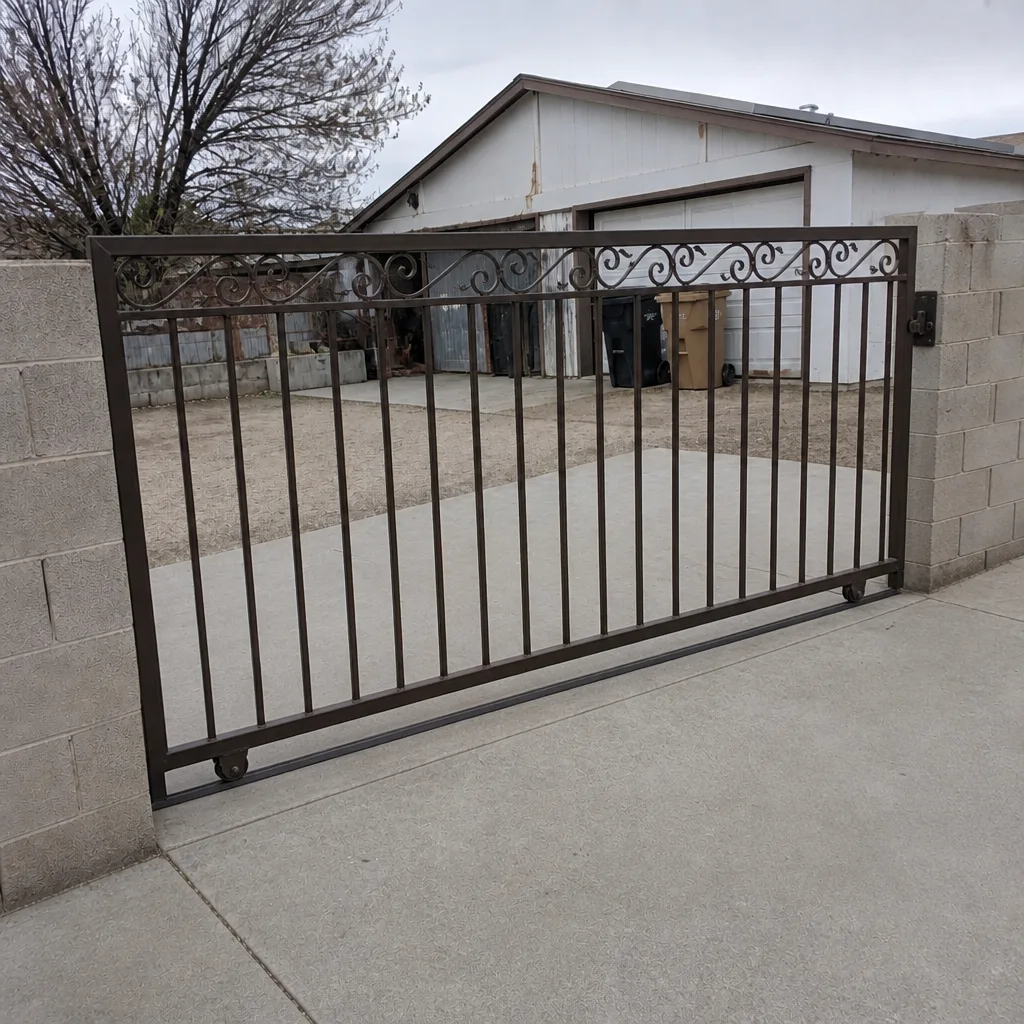
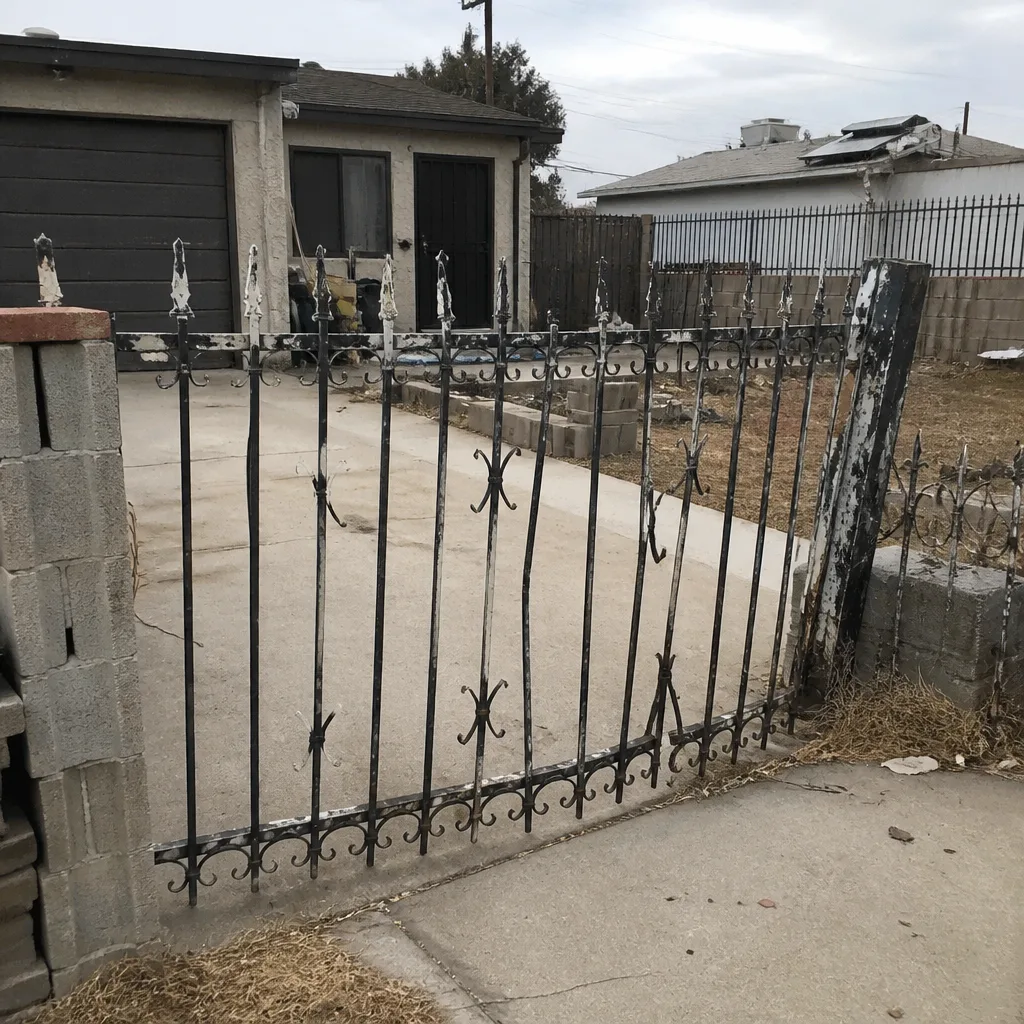
See the difference
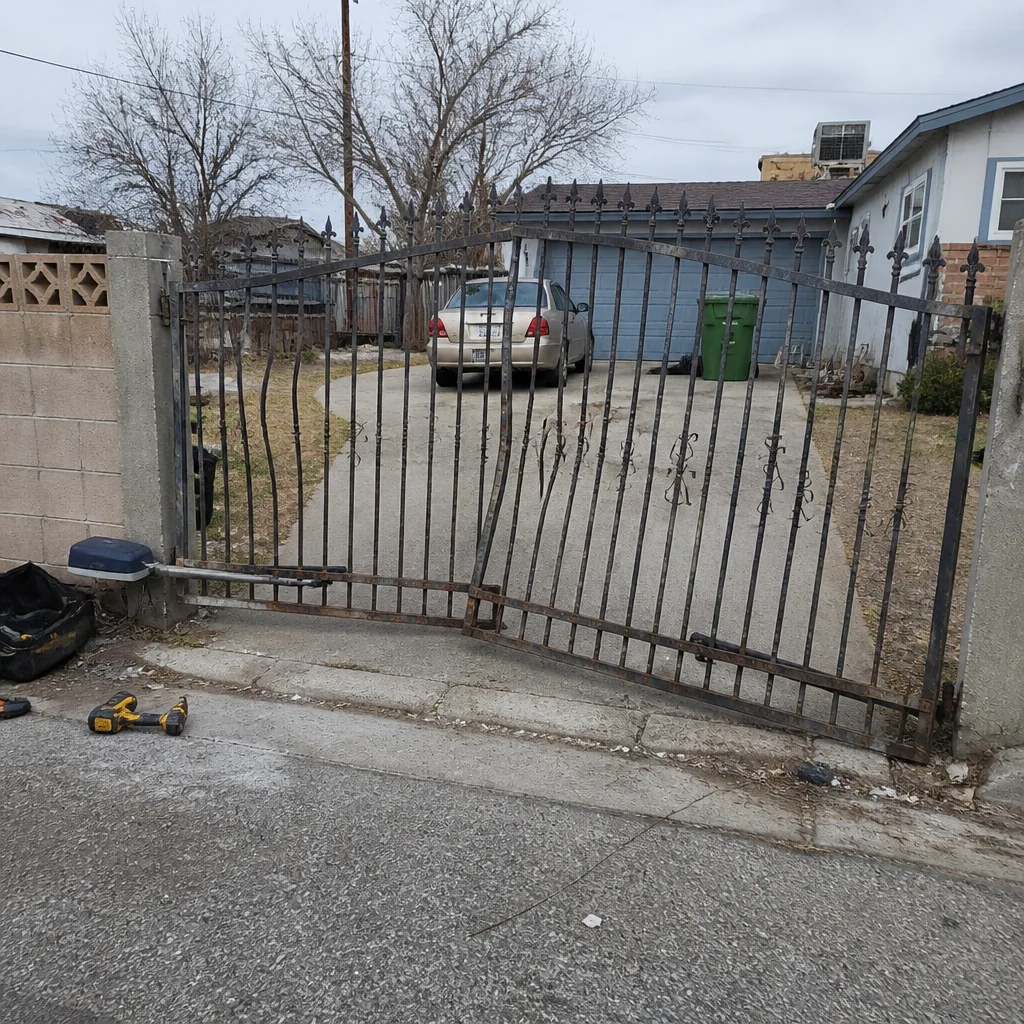 Before
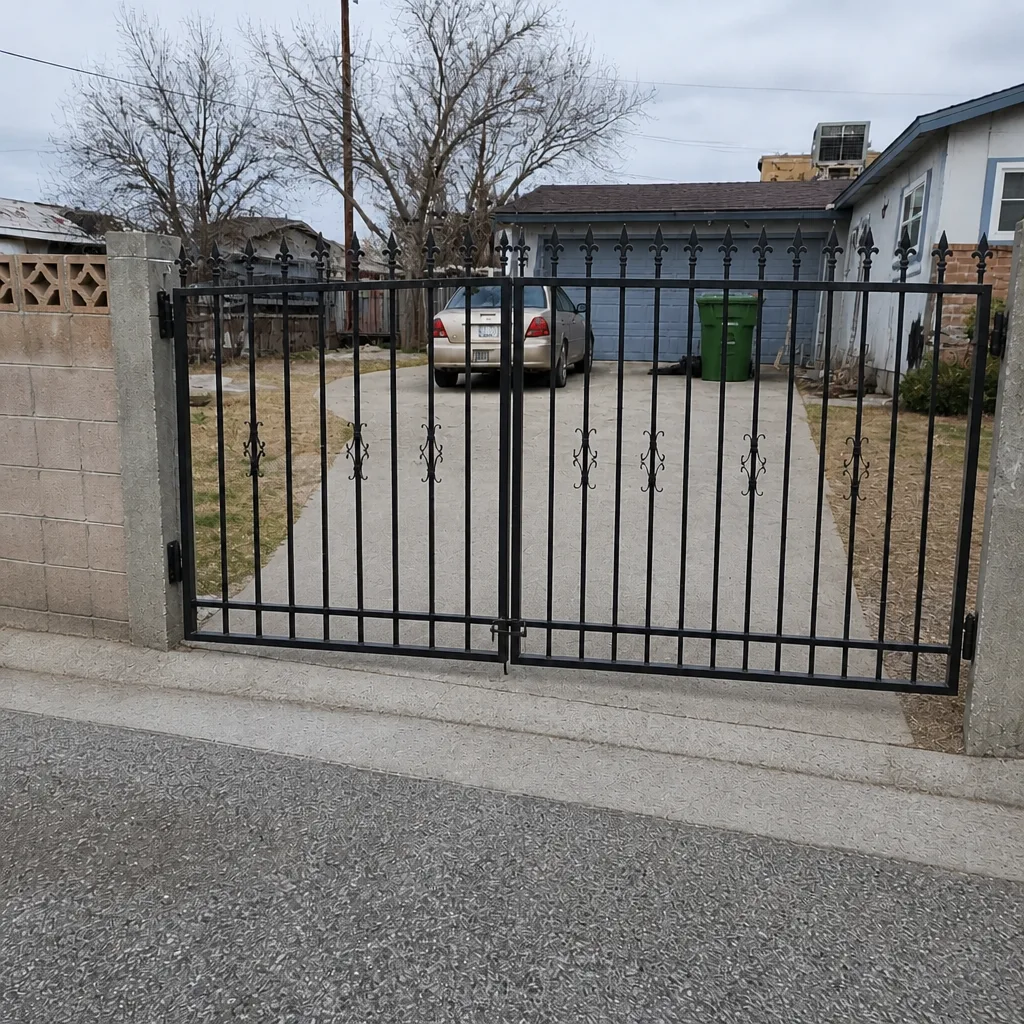 After
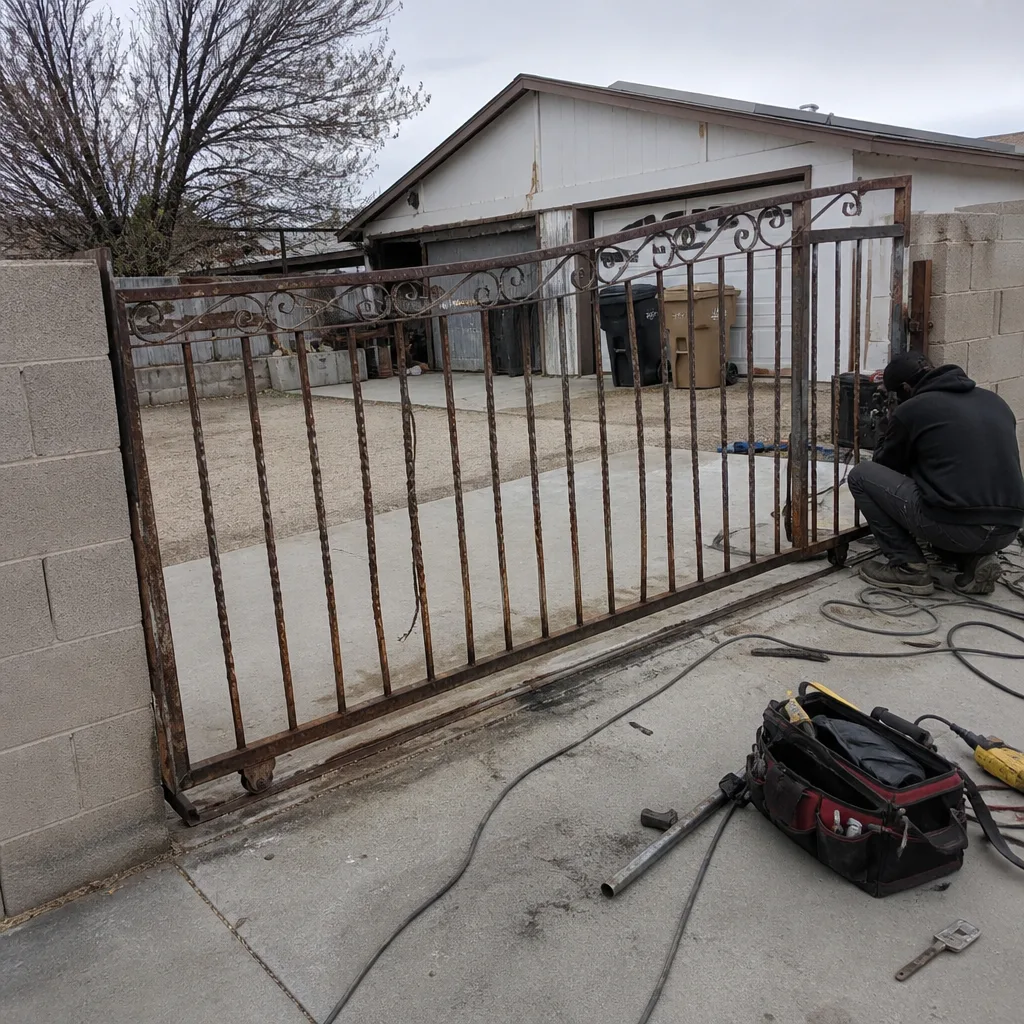 Before
 After
 Before
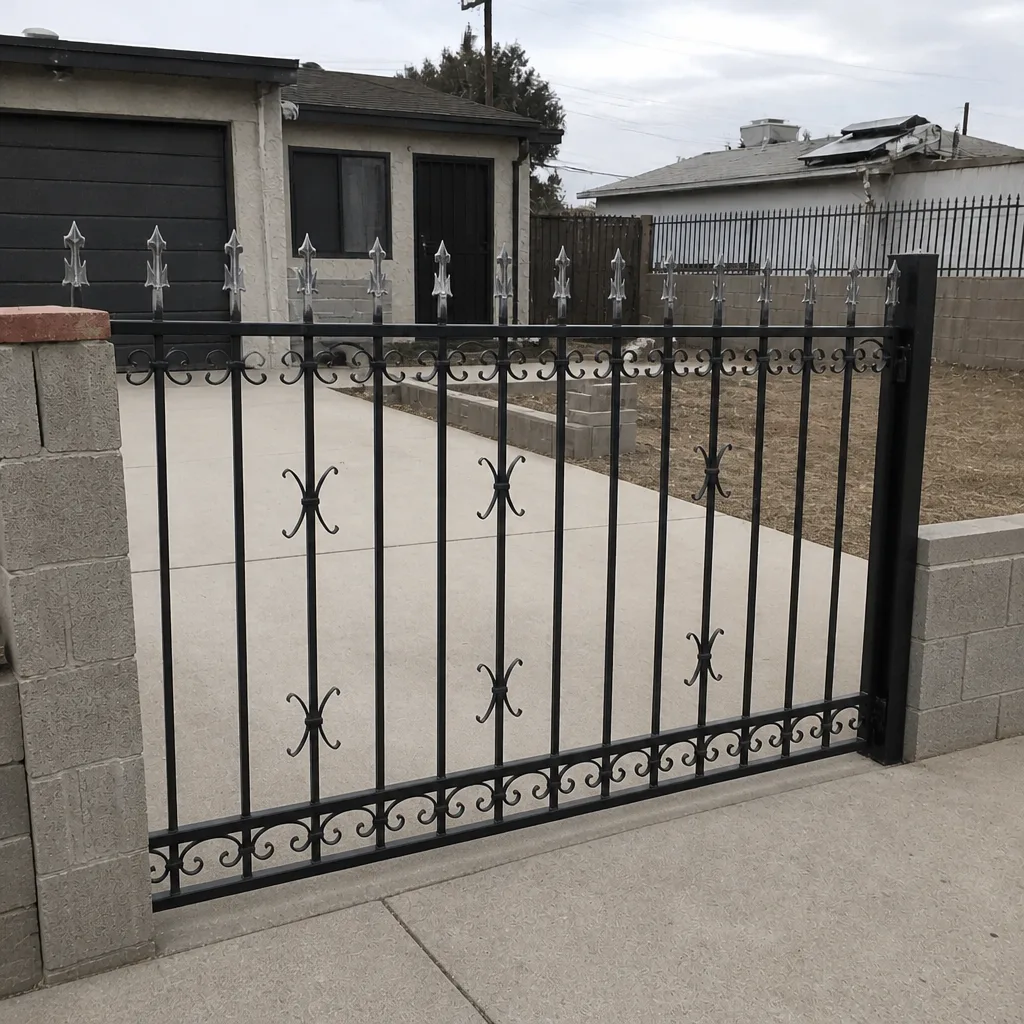 After
When to Call a Professional
Some gate motor jobs are fine to schedule and some shouldn’t wait. Call a professional if your existing operator has stopped reversing on an obstruction, if the gate moves on its own, if the manual release no longer works, or if you see damaged wiring or a control box that’s been wet. Those are safety issues, not conveniences, and they belong to someone who knows what they’re looking at. For a brand-new install, call before you buy anything so the conduit, circuit, and gate condition can be checked on the front end rather than discovered on install day. Gatewood Fence & Gate Sunrise Manor offers free estimates in Sunrise Manor, and calls are answered by a live person around the clock. Call (844) 761-8729 to get on the schedule.
Frequently Asked Questions
A standard single-swing or sliding gate install takes 3 to 6 hours of on-site labor, and a double swing or access-controlled gate takes 5 to 8 hours. The full job from first call to finished gate is usually 1 to 3 weeks once conduit, electrical, and concrete cure time are factored in. Call (844) 761-8729 for a free estimate on your specific gate.
Installation is measured, ordered, and scheduled rather than same-day, because the conduit, circuit, and pad have to be ready first. What we can do is get out for a free measure and a written price, and emergency repair calls are handled around the clock. Call (844) 761-8729 to schedule your estimate.
A straight swap onto existing wiring and a sound pad is a single visit in the 3 to 4 hour range, provided the wiring checks out. We test the old circuit before we mount the new operator so a corroded wire doesn’t take a brand-new motor down with it. Call (844) 761-8729 for a free second opinion on any written estimate.
Because it’s the phase that keeps the gate safe and keeps it from coming back. Travel limits, obstruction sensitivity, and every safety device have to be tested in both directions, and each operator brand programs a little differently. Rushing this is where most callbacks originate, so we’d rather spend the extra hour up front. Call (844) 761-8729 with any questions.
We handle the operator, controls, and safety device wiring, and the electrical circuit to the gate is coordinated with an electrician where code requires it. Safety edges, photo eyes, and loops are tested in both directions before we call the job done. Call (844) 761-8729 and we’ll walk through what your gate needs.
We’re certified to service nine major brands, including LiftMaster, FAAC, BFT, Linear, Viking, Ghost Controls, DoorKing, Elite, and Mighty Mule. That covers most residential swing and slide operators you’ll find behind a Sunrise Manor wall. Call (844) 761-8729 and tell us what’s on your gate.
The Bottom Line
The motor is the short part. A gate motor and opener install runs 3 to 6 hours of on-site work for a standard gate, but the honest timeline is 1 to 3 weeks from first call to finished job because conduit, electrical, and concrete cure sit in between. A straight swap on existing wiring can be a single visit. What matters most is what “done” means: limits set, every safety device tested in both directions, remotes programmed, and you comfortable with the manual release. In Sunrise Manor, caliche ground and long power runs shape the schedule, so get the measure and written price early. Call (844) 761-8729 for a free estimate.
Written by the team at Gatewood Fence & Gate Sunrise Manor.