
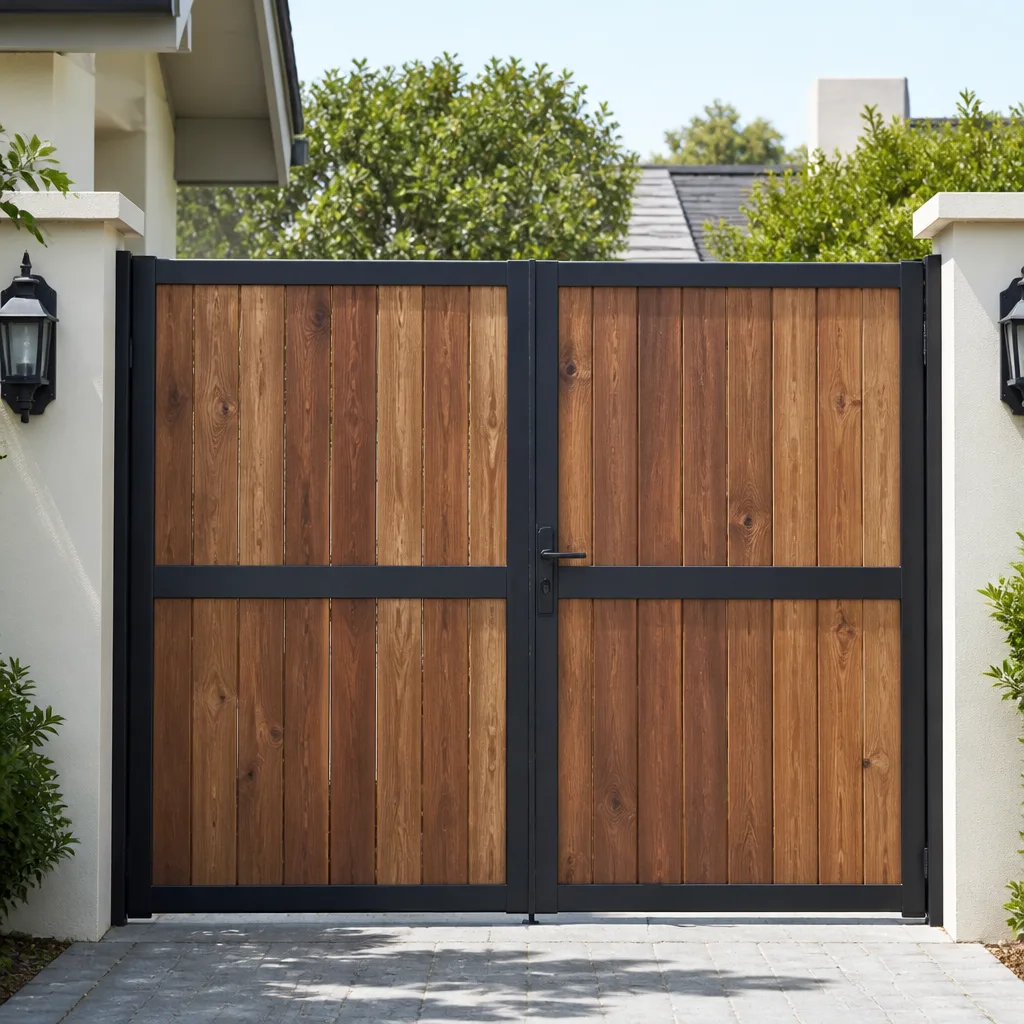
 Wood & steel frame
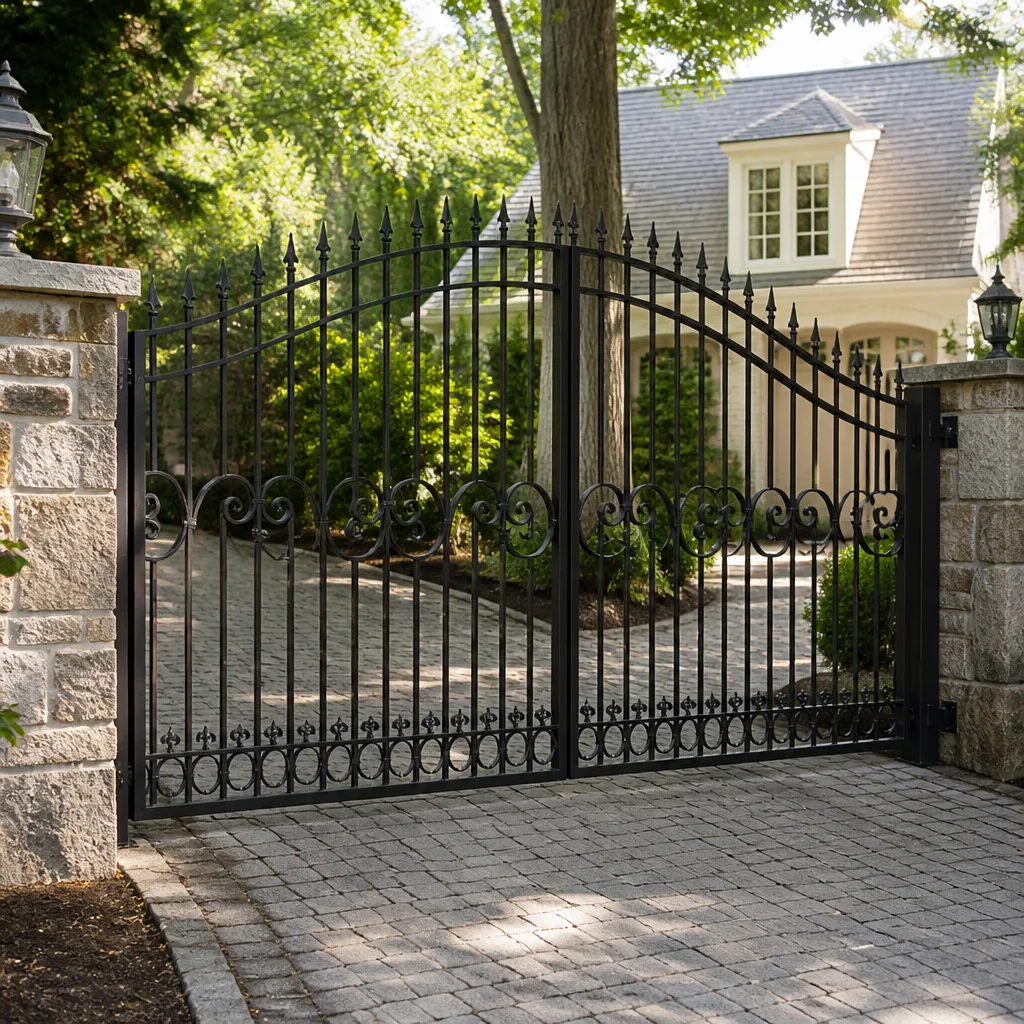 Wrought iron
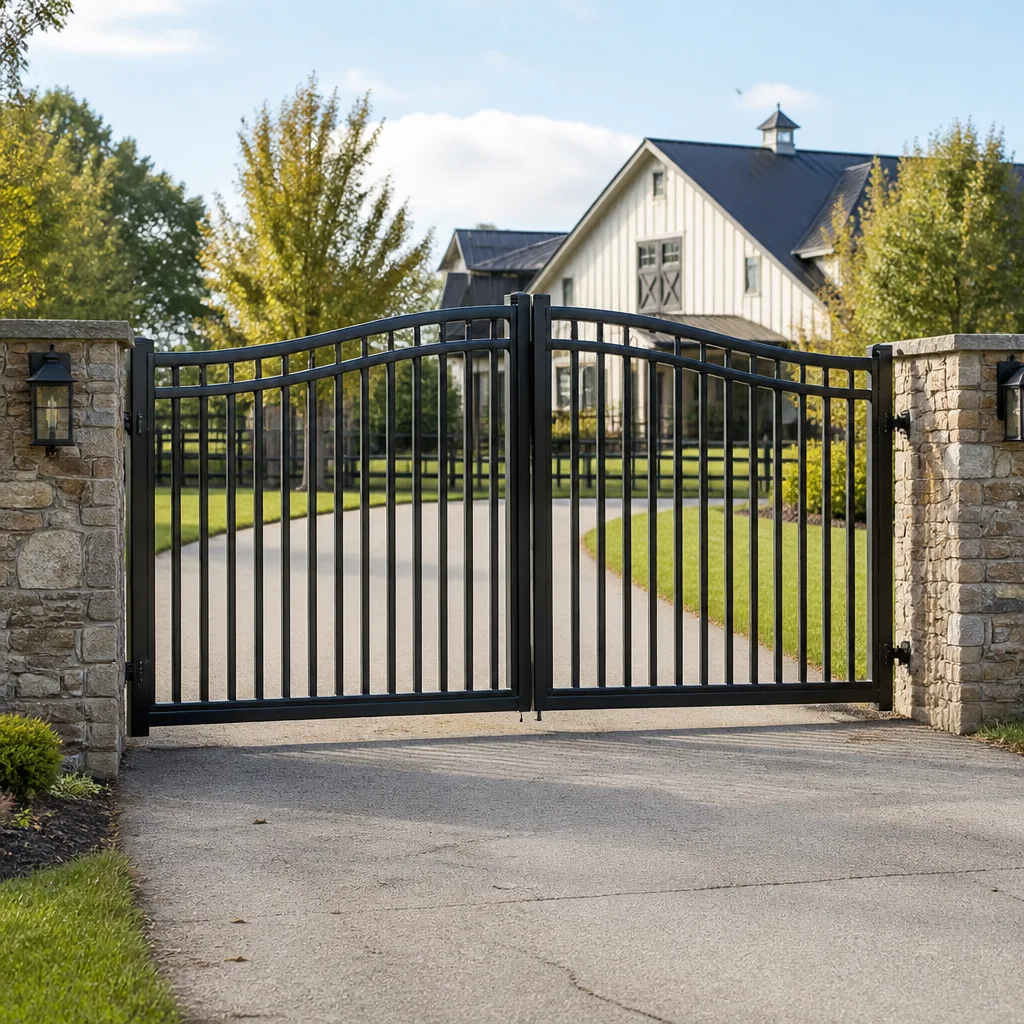 Farm & ranch
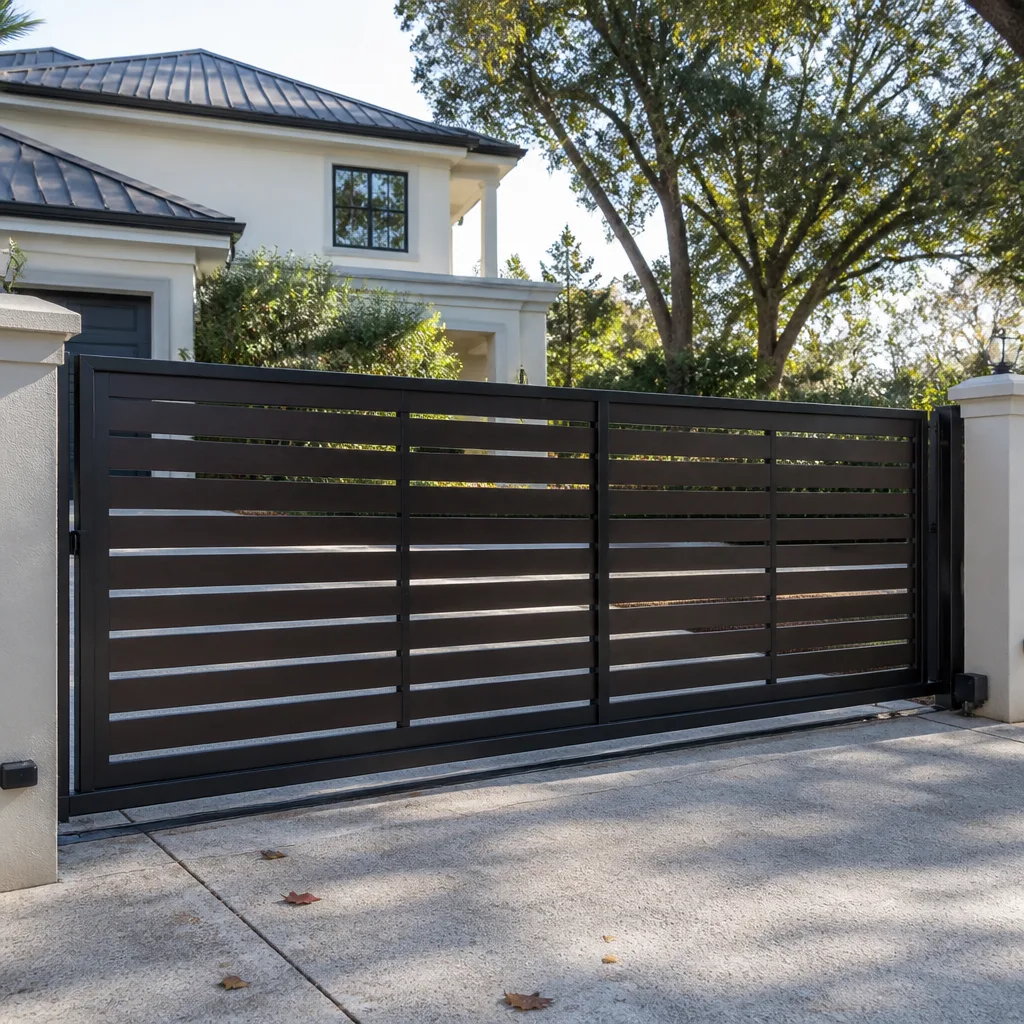 Sliding driveway gates
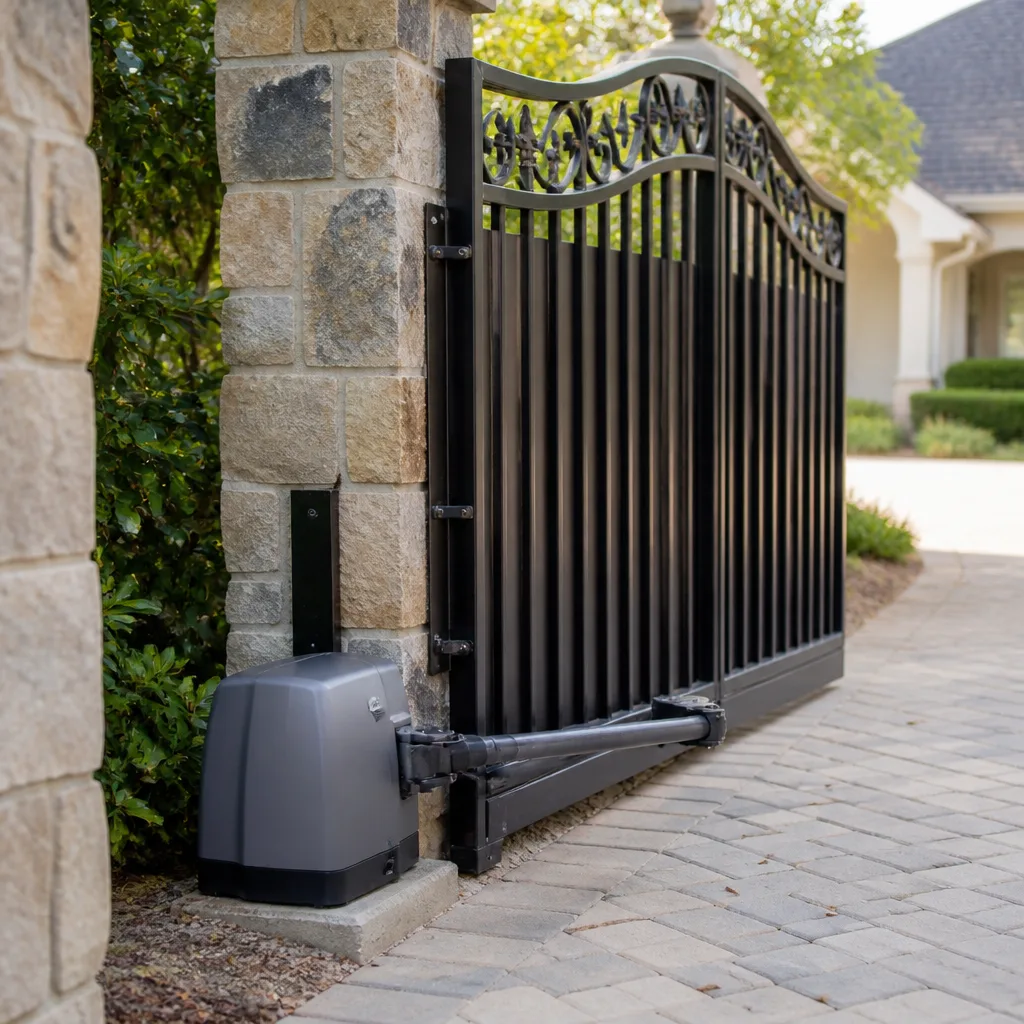 LiftMaster operators
Free on-site gate assessment - hinges, posts, and your LiftMaster or Nice gate operator checked before anything is quoted
The assessment is free and the quote is the invoice.
Get your free estimateStyles & brands we work with
- Wrought iron
- Wood & steel frame
- Farm & ranch
- Sliding driveway gates
- LiftMaster operators
See the difference
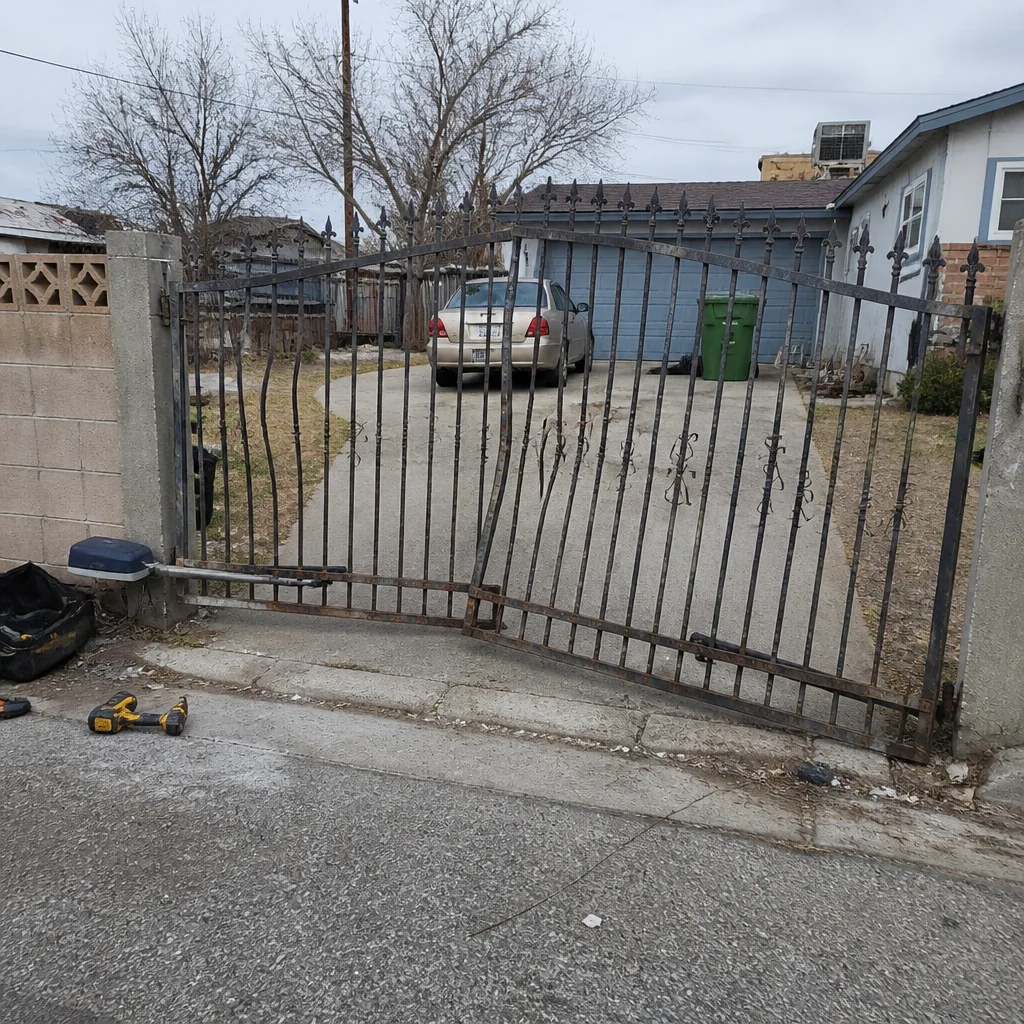 Before
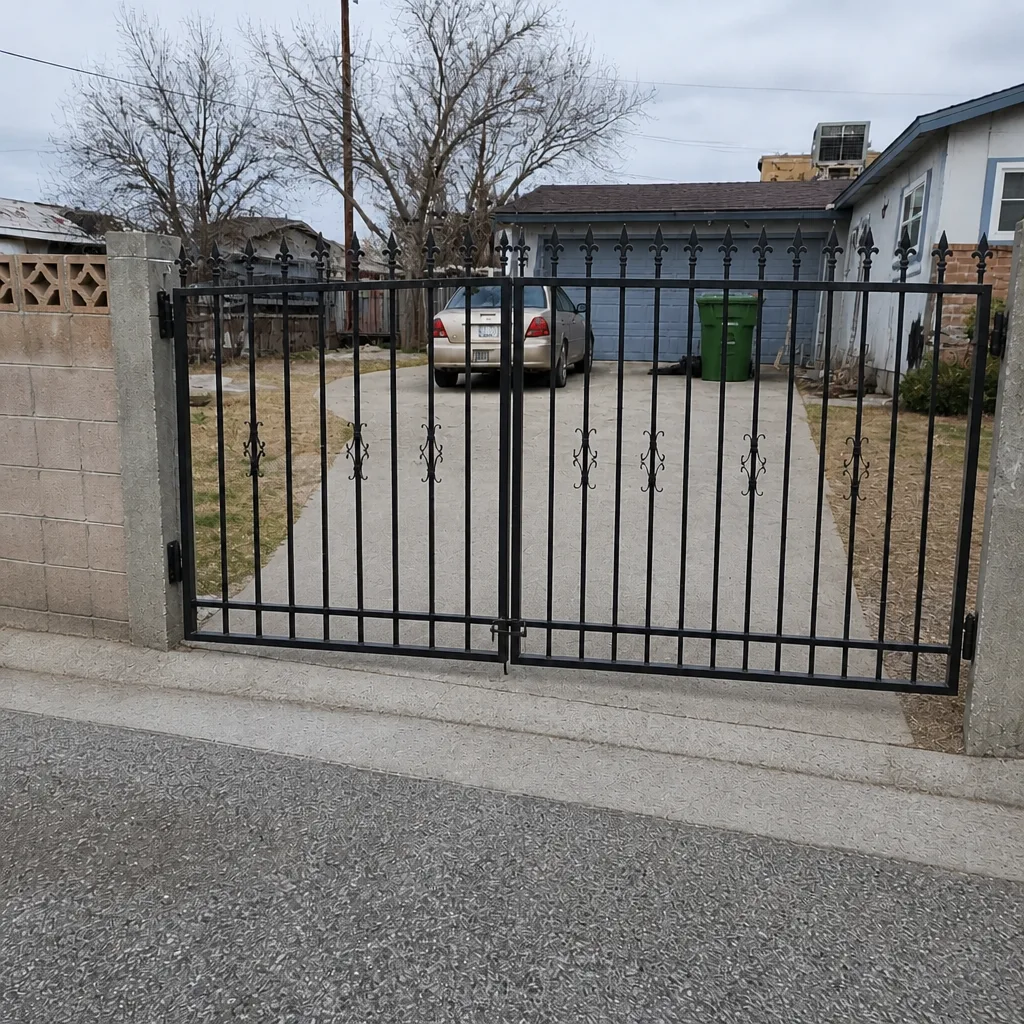 After
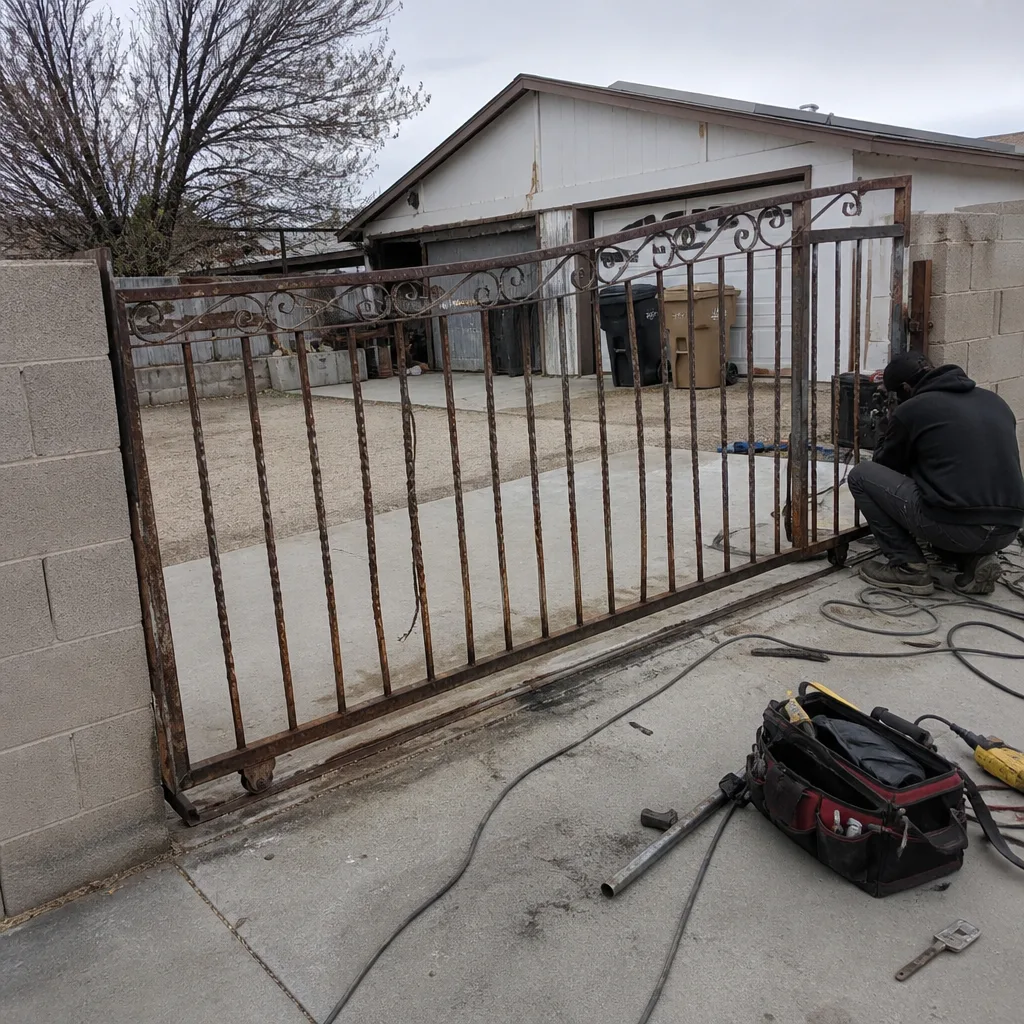 Before
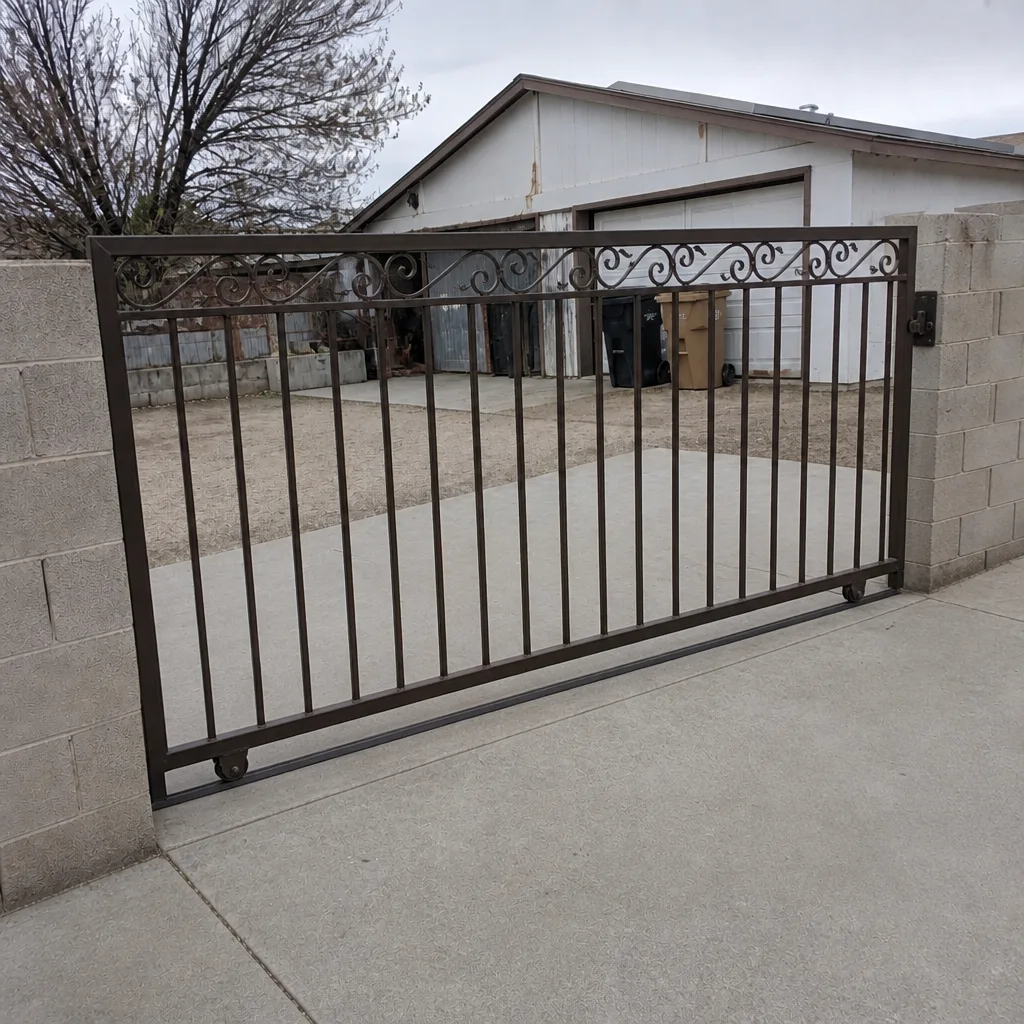 After
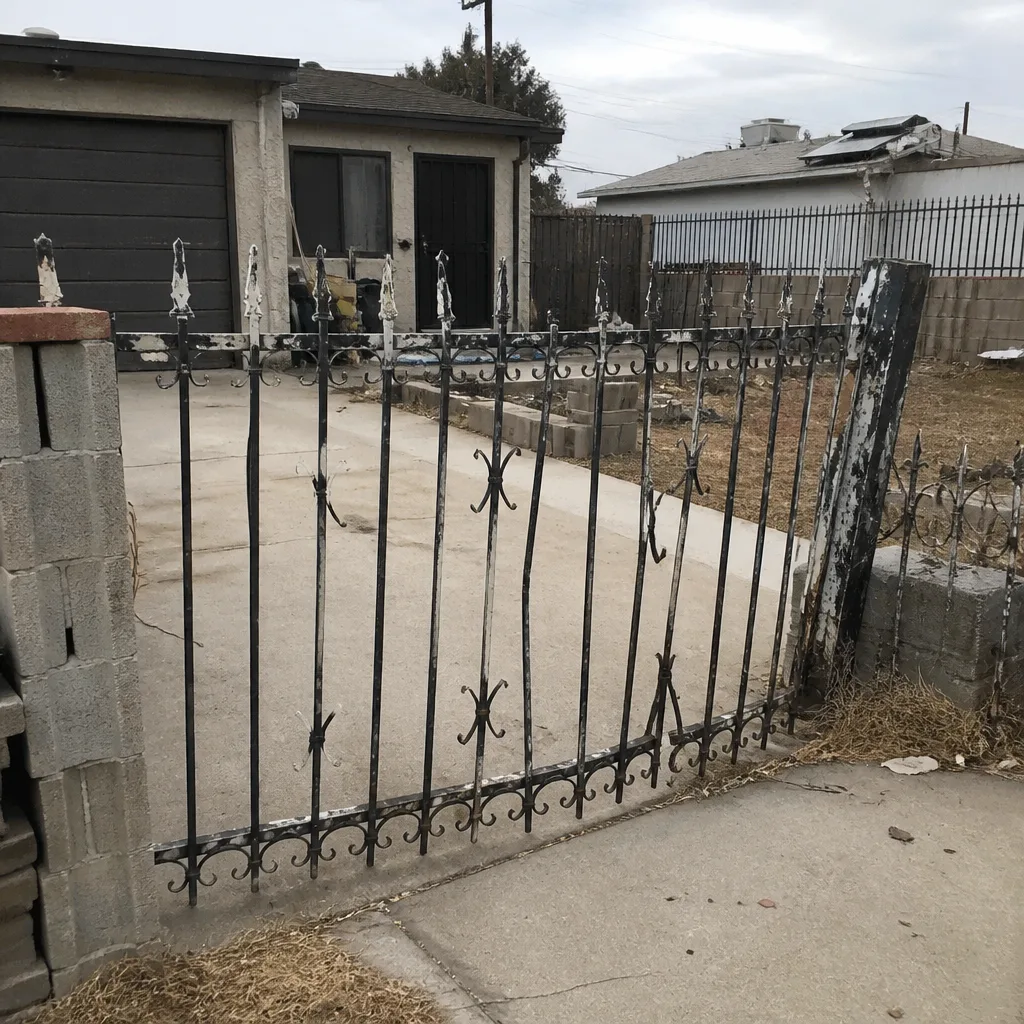 Before
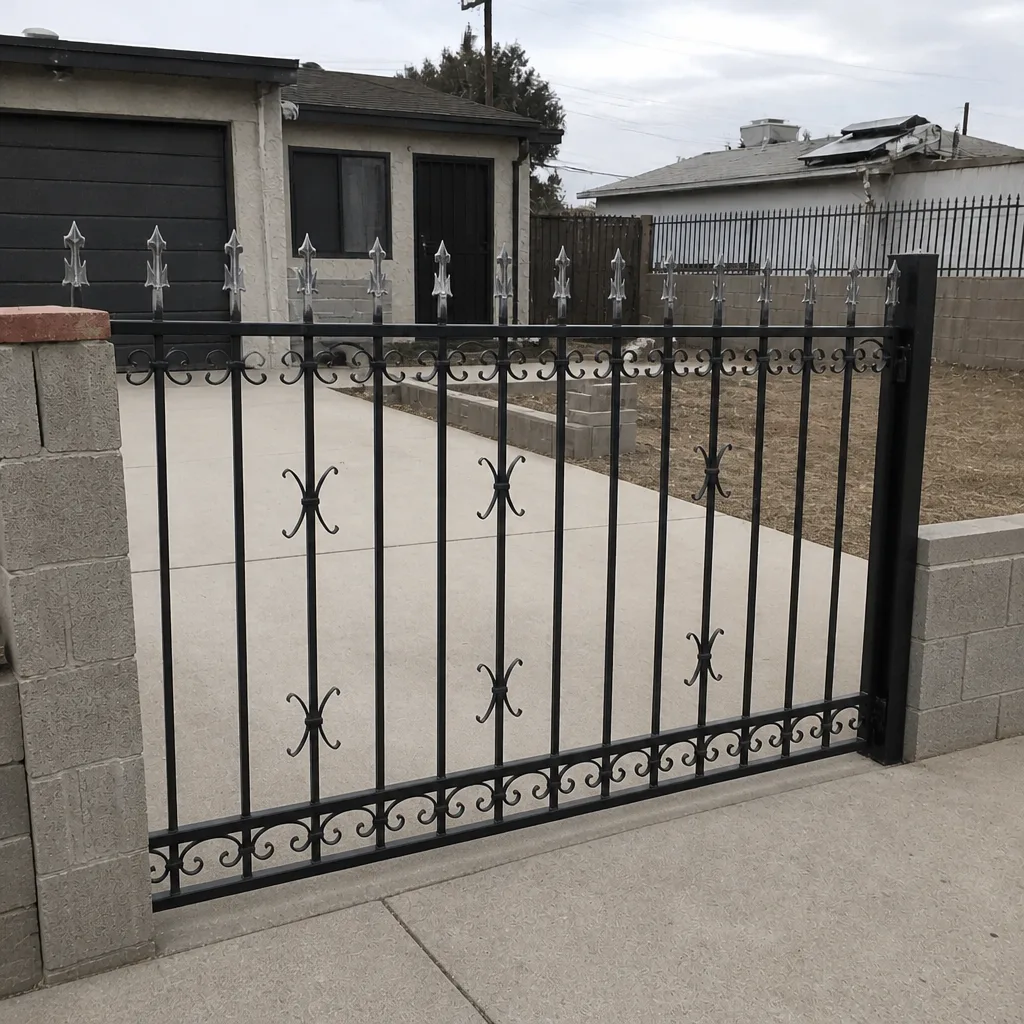 After
Why Won’t My Automatic Gate Open in Sunrise Manor, NV? Start With the Control Box, Not the Motor
The most likely reason your automatic gate won’t open in Sunrise Manor is a limit switch that’s been knocked out of position by soil movement, or a safety edge or photo eye tripped by wind-blown debris in the track. Both problems convince the control board the gate is somewhere it isn’t, so the board refuses to run the motor at all. Here’s the part that catches people: if it rained in the last 10 days, the wet caliche under your gate post is the prime suspect. Call (844) 761-8729 and a live person picks up around the clock.
Key takeaways:
- Nine times out of ten, a dead gate in this valley isn’t a dead motor. It’s a limit switch reading wrong or a safety circuit that’s still faulted.
- When caliche soil gets wet, it shifts. That shift can tilt a post a fraction of an inch and move the limit switch flag out of sensor range.
- Forcing a gate open while a photo eye is tripped won’t reset anything. On some boards it locks the system out until you cut power and restart.
- You can usually release the gate by hand and get your car out in under five minutes. The trick is pulling the release the right direction for your opener type.
Why Caliche Soil and Monsoon Rain Send Gates to the Shop
The ground across Sunrise Manor is caliche, and it behaves differently from soil almost anywhere else. Dry, it’s like concrete. Post holes here are usually dug with a breaker bar and a shop vac because a shovel just bounces. Then a monsoon microburst rolls through, the caliche underneath gets wet, and it heaves and shifts. We’ve watched a hinge post move enough to throw a gate off true, and the homeowner never noticed the post moved because the gate absorbed all the sag.
That’s why we start at the hinge post, not the motor. A gate sags in the hinge post, not in the middle. Fix the panel without the post and you’ll fix it twice.
Here’s how that heave reaches your control board. The magnetic limit switch flag sits on the gate or the operator rail, and the sensor reads it to know where the gate is. When the post tilts a fraction of an inch, the flag slides out of the sensor’s range. The board reads a gap where it expects a signal, decides the gate is already fully closed, and won’t spin the motor. Everything looks dead. The motor is fine. The board just thinks the job is done.
Half of Sunrise Manor is rentals, and that shapes what we see. Older 1960s through 1990s stucco-on-wood-frame tract homes with original wood or chain-link gates. Plenty of rusty metal gates and crumbling masonry columns on the older properties. Gates that have been patched by three different people, none of whom touched the post. Our techs carry up to 25 years of experience, and the first thing they’ll do is put a level on the post and a hand on the gate to feel where it’s binding.
The Five Things Most Likely Keeping Your Gate Shut, In Order
Work down this list before you call. It’s ordered for Sunrise Manor conditions, which means caliche heave and monsoon debris come first, and true motor failure lands last because it’s the rarest.
- Limit switch displaced by soil heave. Rain moves the post, the flag drifts out of range, the board loses its position reference. Check whether the flag still sits squarely in front of the sensor with the gate closed. A flag that’s off-center or loose is your answer.
- Safety edge or photo eye blocked. Spring winds drive abrasive dust into tracks and latches, and summer storms shove twigs, gravel, and palm debris right across the photo eye lens. The safety circuit faults, and the board won’t move the gate in either direction. Wipe the lenses, clear the track, and see what changes.
- Capacitor failure from summer heat. Sunrise Manor summers run past 100°F for weeks. The start capacitor on an older LiftMaster or Mighty Mule operator cooks out and the motor hums without turning. If you hear a hum and no motion, suspect the capacitor before the motor.
- Logic board fault from monsoon moisture. Rain gets into a control box with a tired gasket, and the board collects a little water. Intermittent behavior, gates that open at 10 a.m. and refuse at 4 p.m., or a board that’s clearly taken moisture.
- Actual motor failure. Real, but rarer than the internet suggests. A motor with a failed winding is usually the last conclusion, not the first, and it’s the one most likely to get a whole operator swapped when a $12 part would’ve done it.
If you get through all five and you’re still stuck, we’re happy to help from a distance. Before anything gets replaced, it helps to understand the range of what Gate Repair actually covers, because most of what we do on a dead gate is diagnostic work and on-site welding, not parts swapping.
How to Release the Gate by Hand So You’re Not Stranded
Every automatic gate has a manual release. On a swing arm operator (common on LiftMaster and FAAC units), the release is a keyed lever or a pull handle on the operator housing. Turn the key or pull the handle toward you and the arm disengages from the drive. On a slide gate operator (BFT and LiftMaster slide units), look for a release lever near the motor or a manual chain on top of the housing. Pull it in the direction the sticker or arrow indicates.
Try the release with the gate at rest, not mid-travel. Move the gate by hand slowly and feel for binding. If it moves freely once released, the drive or the logic is your problem, not the gate itself. If it drags or scrapes, something mechanical is wrong and forcing it will make it worse.
For the operators we work on most, here’s the rough shape of what professional repair looks like in this market. Standing offers make a difference too: $40 off any repair over $200, no trip charge inside the county, and a free second opinion on any written estimate. We also keep a permanent 10% discount for seniors and veterans.
| What’s wrong | Typical fix | Usual repair cost range |
|---|---|---|
| Limit switch flag displaced | Re-set flag, test board, sometimes re-set hinge post | Call for quote (often a small diagnostic charge) |
| Photo eye or safety edge blocked | Clear debris, clean lenses, reset board | Call for quote (diagnostic) |
| Capacitor failed | Replace start capacitor | Call for quote (small parts job) |
| Logic board moisture damage | Dry, test, replace board if needed | Call for quote (parts-dependent) |
| Sagging hinge post / weld failure | On-site welding, re-set post in concrete | Call for quote (site-dependent) |
We’d rather give you a real number after we’ve seen the gate than guess at one over the phone. Upfront pricing means the number holds when we show up, not that we invent it before we’ve looked.
What Not to Do When Your Gate Won’t Open
Don’t force the gate open by hand while a photo eye or safety edge is tripped. It won’t reset the board. It just moves the gate while the safety circuit is still faulted, and on some boards that kicks the operator into a lockout mode that needs a full power cycle, sometimes a manual board reset, to clear. You’ve turned a five-minute fix into a service call.
Don’t start swapping parts from an online video before you’ve checked the limit switch and the safety circuit. Those are the two most common causes in Sunrise Manor by a wide margin, and skipping them sends you down the wrong path.
And don’t ignore a sagging gate that still works. A gate that sags will eventually bind the operator, and that’s when a hinge-post repair turns into a motor replacement. Catching the sag early is cheaper every time.
We are a fence and gate company through and through. If you want a broader view of what our gate work covers, our home page lays out the categories. And remember, the 90-Day Done Right Promise comes stamped in writing on every job. If it’s not right, we come back and make it right. No hedge language on that.
FAQs
The most common reason is that monsoon rain softened and shifted the caliche soil under your gate post, moving the limit switch flag out of the sensor’s range so the board thinks the gate is already closed. Check whether the flag still lines up with the sensor before you touch anything else. If it doesn’t, that’s your fault. Call (844) 761-8729 for a free estimate if you want us to confirm it.
Yes. Every automatic gate has a manual release. On swing arm operators it’s a keyed lever or pull handle on the operator housing. On slide gate operators it’s a release lever or manual chain near the motor. Pull it in the direction the arrow on the housing indicates, then move the gate slowly by hand. If it binds, stop. A dragging gate needs professional eyes. To book a visit, call (844) 761-8729.
A limit switch tells the board where the gate is in its travel. A photo eye is a safety sensor that stops the gate if something crosses its path. If the gate won’t move at all, suspect the limit switch first. If it starts to move and reverses, suspect the photo eye or safety edge. Wipe the photo eye lenses and clear the track to rule out debris. If both check out and the gate still won’t run, call us at (844) 761-8729 for a free estimate.
You can clear debris, wipe photo eye lenses, and check that the limit switch flag sits squarely in front of its sensor. Anything involving the capacitor, the logic board, or the motor windings is a job for a trained technician. Capacitors hold a charge that can shock you even after the power’s off, and a board fault can mask itself as a motor fault. Gatewood Fence & Gate Sunrise Manor services LiftMaster, FAAC, BFT, and Mighty Mule operators among others. Call (844) 761-8729 for a free estimate.
If you’ve checked the obvious and your gate still won’t move, a live person answers the phone at Gatewood Fence & Gate Sunrise Manor 24 hours a day, seven days a week. Hal often triages the problem in a five-minute call before anyone rolls a truck, and that conversation is free. You can drive to the shop and look him in the eye, which is the oldest accountability there is. When it’s time for a real fix, call us at (844) 761-8729 for a free estimate.
Written by the team at Gatewood Fence & Gate Sunrise Manor, serving Sunrise Manor, NV.