
Last updated November 18, 2026
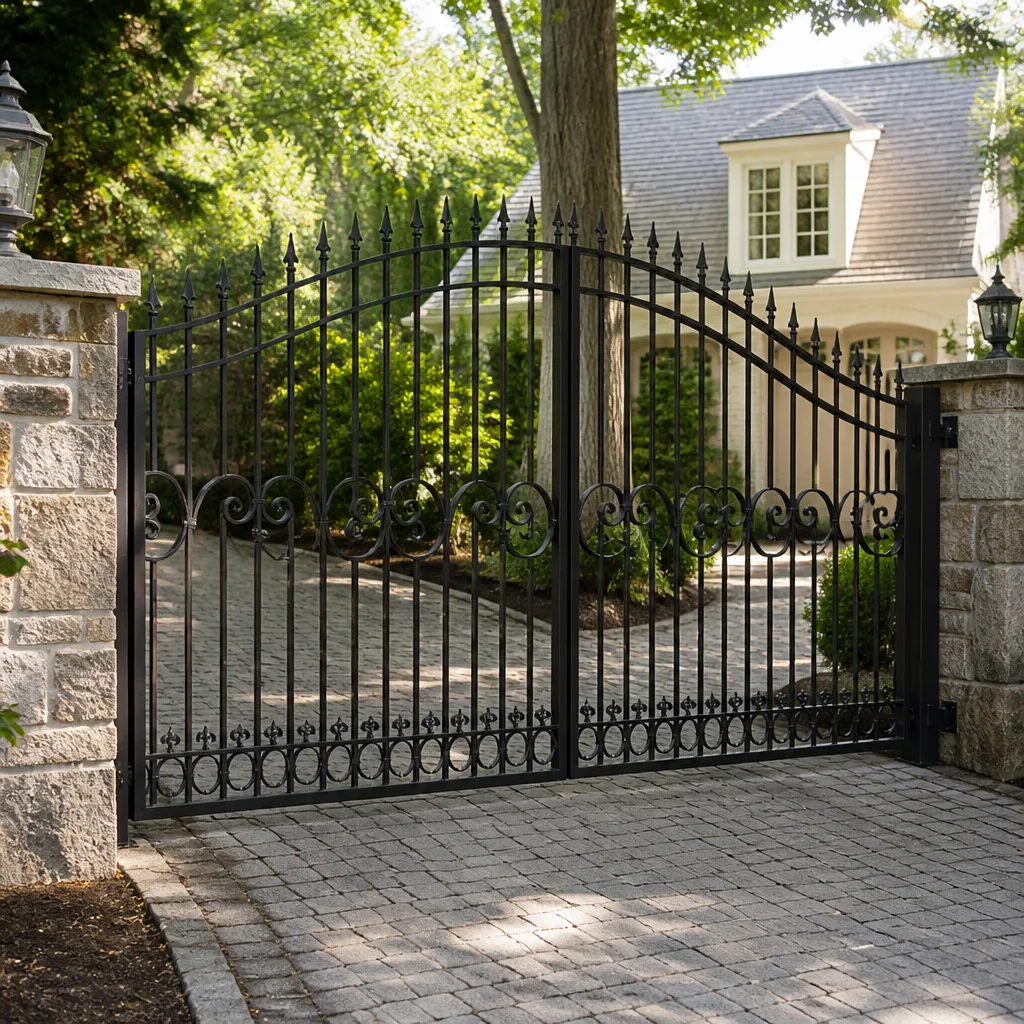 Wrought iron
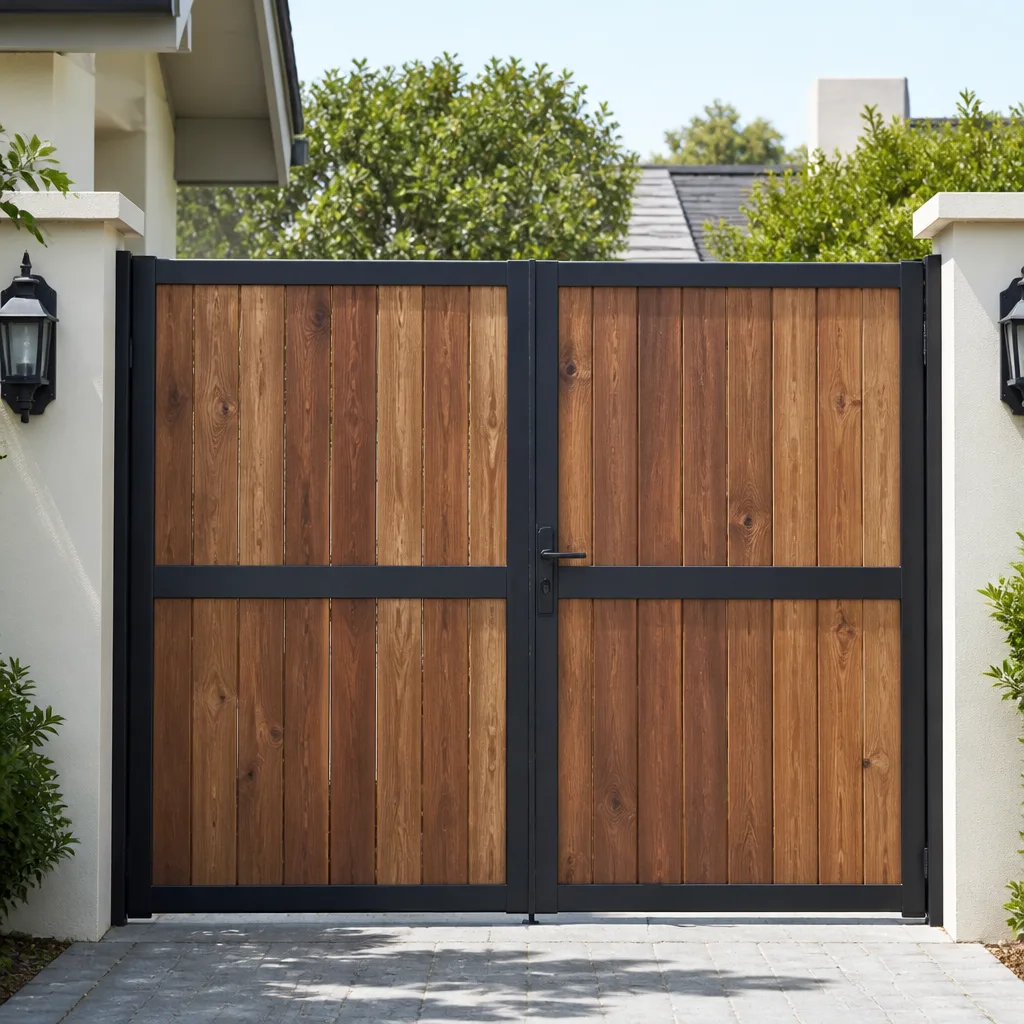 Wood & steel frame
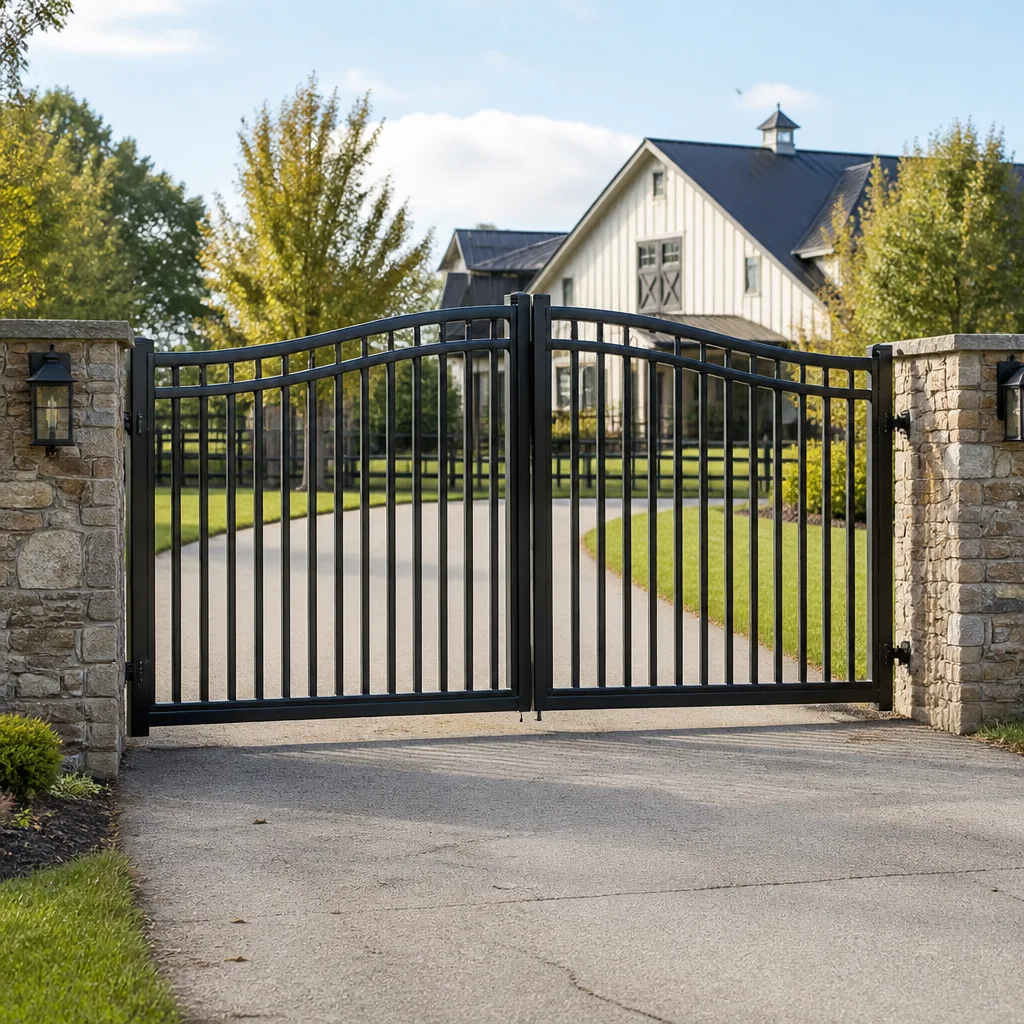 Farm & ranch
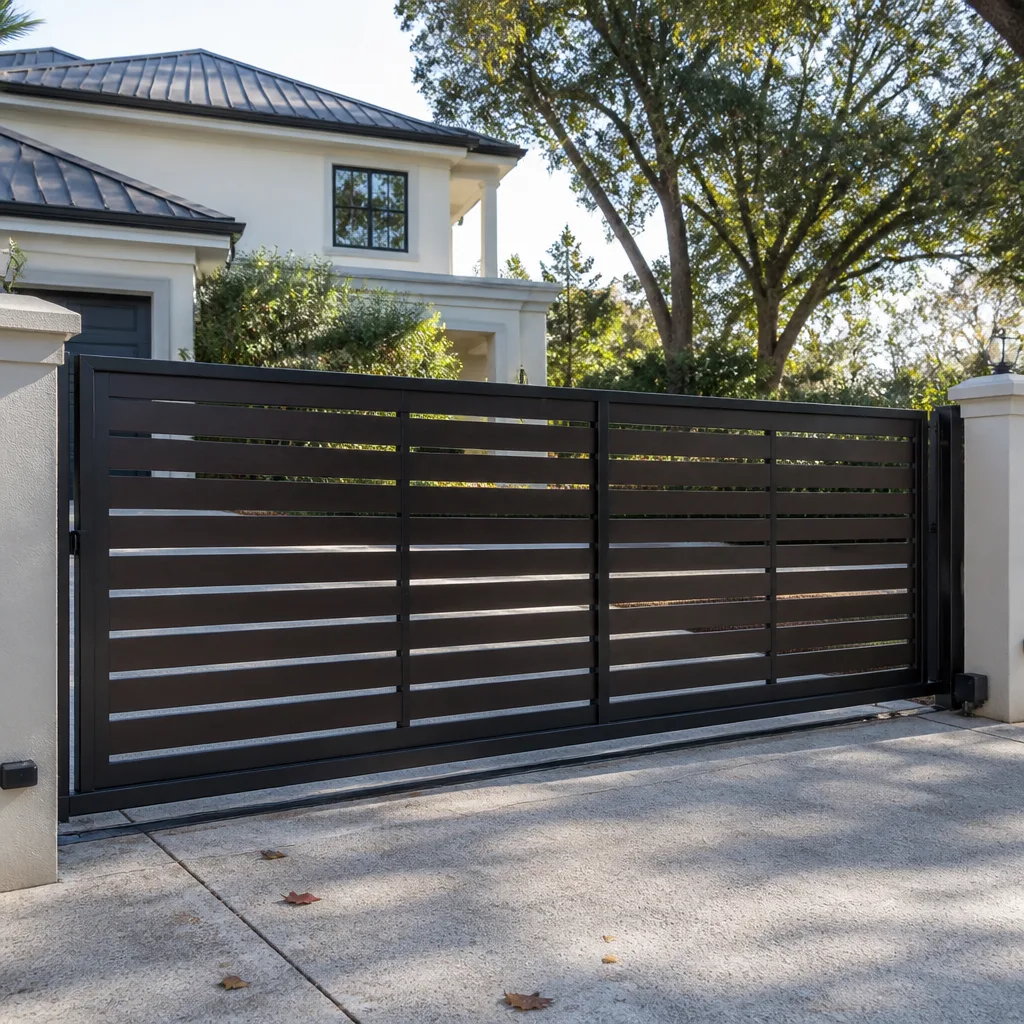 Sliding driveway gates
 LiftMaster operators
Free on-site gate assessment - hinges, posts, and your LiftMaster or Nice gate operator checked before anything is quoted
The assessment is free and the quote is the invoice.
Get your free estimateGate Access Control Warning Signs Every Homeowner Should Know
When your gate starts opening two seconds slower than it used to, most people think “huh, weird” and move on. That lag is the motor controller telling you the capacitor is dying – ignore it another month and you’re buying a new board. We’ve watched a $40 part turn into a $600 repair more times than we can count, and it almost always starts with a “quirk” somebody got used to. This guide names the five specific behaviors that mean a small fix is about to become an expensive one, explains the difference between software and hardware failures, and covers the Sunrise Manor heat and monsoon conditions that speed up the decline.
Quick Answer
The most common warning signs of failing gate access control are command lag on remote or keypad input, false obstruction triggers that reverse a gate with nothing in its path, shrinking remote range, a keypad that accepts a code but the gate doesn’t move, and a gate that stops mid-travel. Any of these signals a component on its way out – and the sooner it’s checked, the cheaper the fix. Two signs mean stop using the gate now: a gate that reverses unpredictably and a keypad that opens for codes you never programmed.
Styles & brands we work with
- Wrought iron
- Wood & steel frame
- Farm & ranch
- Sliding driveway gates
- LiftMaster operators
Table of Contents
- Command Lag: The First Sign Most Homeowners Ignore
- False Obstruction Triggers and What Causes Them
- Remote Range Drop and Keypad Code Failures
- A Gate That Stops Mid-Travel
- Software Problem or Hardware Failure? Why Guessing Wrong Costs Twice
- Sunrise Manor Heat and Monsoon Damage to Access Controls
- Stop Using the Gate vs. Schedule a Repair
- The Three-Line Log That Saves You a Service Call
Command Lag: The First Sign Most Homeowners Ignore
Command lag is the gap between pressing the remote and the gate actually moving. When it grows from about a second to two or three, something in the electrical chain is fading. In our experience, the usual suspect in Sunrise Manor is the motor start capacitor – a cheap component that helps the motor pull its initial load. As it weakens, the controller compensates with more current, and the gate gets slower and hotter with every cycle.
Other causes of lag worth knowing:
- A remote battery weak enough to transmit a marginal signal (the cheapest thing to rule out)
- Corroded terminals at the control board where the antenna wire lands
- A failing transformer that can’t hold voltage under load
- In older Linear and Viking operators, worn motor brushes that drag on the armature
Sunrise Manor summers push daytime temperatures well past 100 degrees, and a gate operator sitting in direct sun runs hotter than its design target. That heat is exactly what kills capacitors first. If your gate has lagged every afternoon for a week but seemed fine in the morning, note the time of day. That pattern alone tells a technician where to look before the truck door opens. Our Gate Motor & Opener in Sunrise Manor page covers the components we check on each brand.
False Obstruction Triggers and What Causes Them
A gate that reverses with nothing in its path is not being cautious – it’s misreading a sensor. Safety edges and photocells tell the operator something is there. When a gate reverses without an obstacle, the sensor chain is lying to the controller, and false triggers are dangerous because they train you to override the safety equipment.
What we find when we test a false trigger in Sunrise Manor:
- Photo-eye lenses clouded with dust and fine desert grit, so the beam is weak and the receiver drops it
- Safety edge rubber hardened by UV exposure and no longer registering pressure correctly
- Moisture inside an unsealed photo-eye housing after a monsoon storm
- A bent or knocked photo-eye bracket that throws the beam alignment off by a few degrees
- A failing control board that sends phantom obstruction signals with no sensor fault at all
The last two are the ones that get missed. A misaligned bracket looks fine until you put a level on it. A phantom signal from the board looks exactly like a sensor failure until the sensor is tested. That’s why the order matters: test the sensors before replacing the board, or you’ll replace a board that wasn’t the problem.
Remote Range Drop and Keypad Code Failures
Remote range drop is one of the easiest things to explain and one of the slowest to notice. Your remote worked from the driveway at 100 feet, then 80, then 60, and now you’re leaning out the window. The cause is usually the receiver’s antenna connection or a dying remote battery, but it can also be the receiver itself.
A keypad that accepts a code but the gate doesn’t move is a different story. The keypad is working – it’s reading the code and confirming it – but the signal isn’t reaching the controller or the controller isn’t acting on it. That points to:
- A loose control wire between keypad and board
- A keypad operating on a different frequency or channel after a replacement that wasn’t matched correctly
- A board relay that has stopped responding to input, which is a hardware failure
- On DoorKing systems, a programming state where the gate is held in a mode that blocks input
That last one is why a quick call to someone who services DoorKing and Linear helps. We usually know which of these it is before we arrive, and a five-minute conversation can save a full diagnostic visit.
A Gate That Stops Mid-Travel
A gate that opens partway and stops – or reverses partway through either direction – is telling you the controller can’t complete the cycle. The most common cause is a limit switch or encoder that has slipped out of sync with the gate’s physical position. The controller thinks the gate is somewhere it isn’t, so it aborts the run. On a swing gate, a sagging hinge can also cause a bind that the controller reads as obstruction.
Mid-travel stops are a good example of a fix that’s usually small if it’s caught early. A limit switch reset or a hinge adjustment is routine work. Wait until the controller’s memory of position is completely scrambled and you’re sometimes looking at a board replacement. In Sunrise Manor, we regularly see this on gates where the hinge posts were set in soil that has shifted, so a gate that tracked fine in spring starts binding once the ground dries and shrinks in summer.
The one thing not to do with a gate that stops mid-travel is keep cycling it repeatedly hoping it clears. Every failed cycle puts load on a motor that’s already fighting the gate. Call a technician instead.
Software Problem or Hardware Failure? Why Guessing Wrong Costs Twice
This is the difference that most homeowners misread, and it’s the difference that costs money. A software or programming problem means the controller is working but configured wrong: wrong limit positions, a transient state it’s stuck in, a code-copy error, a power cycle that cleared a setting. A hardware failure means a component has physically gone bad: capacitor, board relay, sensor, motor brush, transformer.
The reason it matters is simple. If you replace hardware when the actual problem was programming, you’ve paid for a part and a labor charge you didn’t need. If you reprogram a board with a dying capacitor, you’ve solved nothing and the gate will fail again within a month. Our approach is to test outward from the controller: confirm the input signal reaches the board, confirm the board sends the right output, confirm the operator squeezes the motor when it should. That sequence tells us which side of the line the fault is on.
Two rules we follow:
- Reset before replace. Power cycle first. If a setting or board changed behavior, it may not be a failure. On Linear and Ghost Controls units, a reset is often all it takes to clear a stuck state.
- Test the sensor before the board. A phantom obstruction signal from a dirty or failing sensor looks identical to a board fault. Testing the sensor eliminates half the possibilities for free.
If you want to understand the hardware pieces before you call, our Gate Repair in Sunrise Manor page walks through the mains and mechanical parts in plain language.
Sunrise Manor Heat and Monsoon Damage to Access Controls
Sunrise Manor’s climate is hard on access control in ways a coastal installer never sees. Two local triggers show up on almost every service call:
Heat-expanded conduit cracking wire insulation. Conduit runs between the gate operator and the keypad or photo-eyes are exposed to full sun and ground temperature. When the conduit expands and contracts over several seasons, the sharp edges can wear through wire insulation underneath. The result is intermittent shorting that looks like a random fault and gets harder to chase the longer it goes. If your gate fails only in the heat of the afternoon and works fine in the morning, wire insulation and conduit wear are on the shortlist.
Monsoon moisture in unsealed housings. A week of monsoon rain pushes water into housings that were never sealed properly. The gate may cycle fine during the storm and fail a week later when the moisture has quietly corroded a terminal. We recommend checking the seals on every outdoor housing before monsoon season starts.
Sunrise Manor homes on older lots often have keypads and photo-eyes wired through conduit that has been in the ground since the lot was built. That conduit is the first thing we inspect on a repeat-failure call. If we find a problem, the fix is usually in the wire rather than the electronics, and that’s normally the cheaper of the two.
Read more about how we approach installations and repairs in your area on our Gatewood Fence & Gate Sunrise Manor home page.
Stop Using the Gate vs. Schedule a Repair
Some warning signs mean “call and book a repair.” Others mean “stop cycling the gate now.” Here’s the practical cutoff.
Stop using the gate immediately if:
- The gate reverses with no obstruction present. That’s a safety failure, and the gate can close on a person or a vehicle if the edge or photo-eye is compromised.
- The keypad opens the gate for codes nobody programmed, or the gate opens on its own. That’s an access control failure and a security problem.
- The gate stops partway and won’t complete a cycle even once. Repeated failed cycles can damage the motor and cost more to fix than calling.
- You smell burning at the operator housing or see scorch marks on the board. Electrical damage can be a fire risk, and this is not a “wait until next week” problem.
- Any part of the gate head or hinge post has visibly moved or cracked. That’s structural, and a gate that falls can injure someone.
You have a week or two to schedule a repair if:
- The gate works but is slower than it used to be
- Remote range has shrunk but still functions
- The keypad beeps and works on some codes and not others
- The gate completes a cycle every time, but you’ve noticed a stumble or a pause
We’ve learned to take a homeowner’s “it gets weird sometimes” seriously. Sometimes it’s a loose wire. Sometimes it’s the start of a failure that would have cost a board. The repair is almost always cheaper now than in three months.
The Three-Line Log That Saves You a Service Call
Here’s a small habit that costs you 30 seconds and saves real diagnostic time. Keep a log on the fridge, or on your phone if you prefer. Every time the gate misbehaves, write three things:
- What happened. “Gate opened four seconds late.” “Gate reversed with no car in the way.” “Keypad accepted code but gate stayed shut.”
- What the gate was doing when it happened. Just opened, closed, or moving. Which direction. Was someone pressing the remote or walking to the keypad. First press of the day or the tenth.
- Time of day and weather. “4:30pm, 108 degrees.” “Morning after rain.” “After the power flickered.”
Those three lines are gold to a technician. If you say “it acts up in the afternoon,” we can go straight to heat-related causes. If you say “it started after the power went out,” we can look at programming and limit switches instead of capacitors. If you say “it only happens when the sun is in the photo-eye’s face,” we know it’s optical alignment. Patients who bring a three-line log get a faster fix and a cheaper one.
Our technicians have up to 25 years of experience, and the habit is something we picked up early. It works because it replaces a homeowner’s guess with a pattern.
Common Mistakes to Avoid
- Replacing parts before testing. A new board that fixes nothing is a wasted $200 to $400. Test the sensor, the input signal, and the motor before you buy any part.
- Disabling the safety edge or photo-eye to “make it work.” We see this done by well-meaning homeowners in Sunrise Manor, usually after a false trigger annoys them. It removes the one thing standing between the gate and a person, and it’s not worth the risk.
- Cycling a gate that’s binding or stopping. Every failed cycle loads a motor that’s already fighting the gate. If the gate won’t complete a cycle, stop pressing the button.
- Ignoring a slow gate because it still works. The most expensive repairs we see are the ones that started as “it’s just a little slow” six months ago. A $40 capacitor is a cheap fix. A burned board and a seized motor are not.
- Assuming it’s the batteries. Remote batteries are the cheapest thing to check and the most common red herring. If fresh batteries don’t fix the lag, stop guessing and get the signal tested.
- Tightening the hinge instead of the post. A gate that sags is telling you the hinge post has moved, not the hinge. Tightening the hinge takes up slack and leaves the post still leaning – which is why a sagging gate “fixed” this way fails again.
- Hiring a company that wants to replace before repairing. A legitimate repair company can weld a post, reseat a sensor, or reset a controller. If the first quote is always a full replacement, get a second opinion. We offer a free second opinion on any written estimate.
See the difference
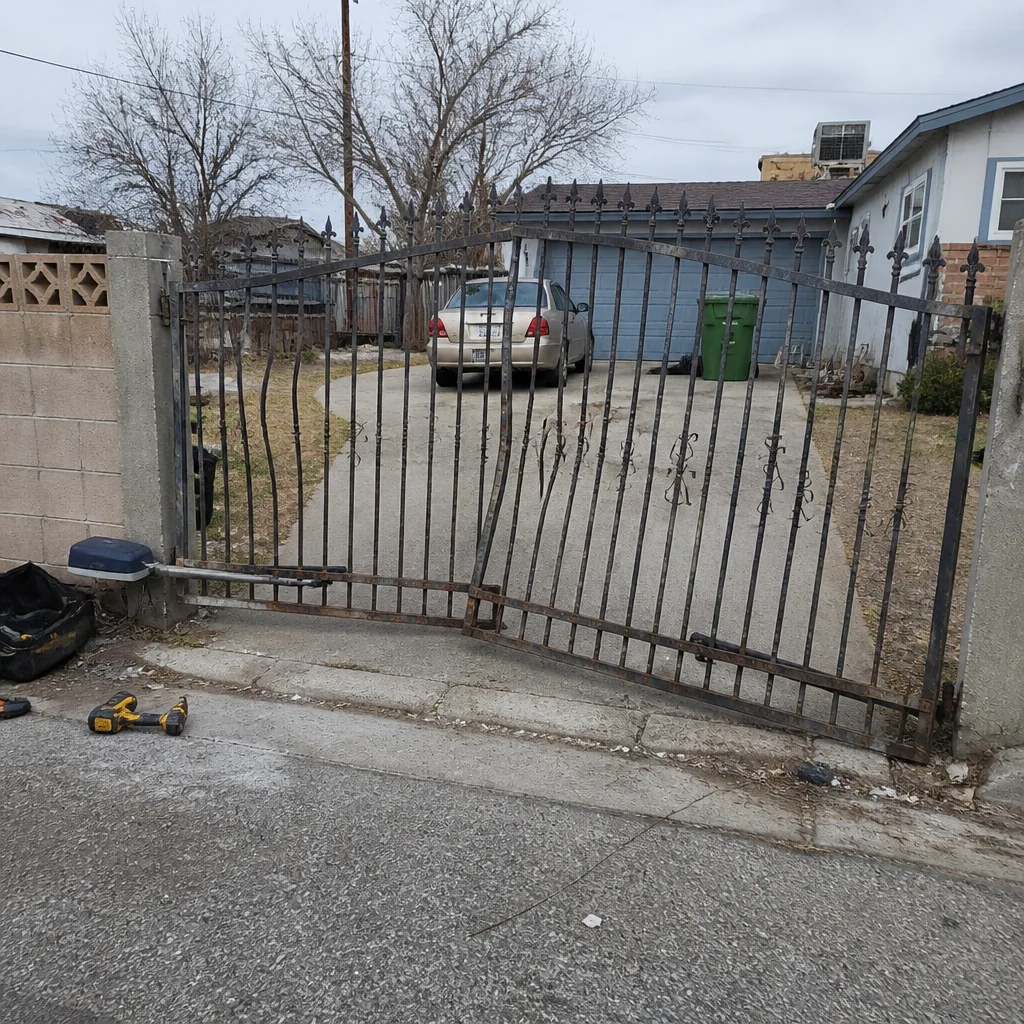 Before
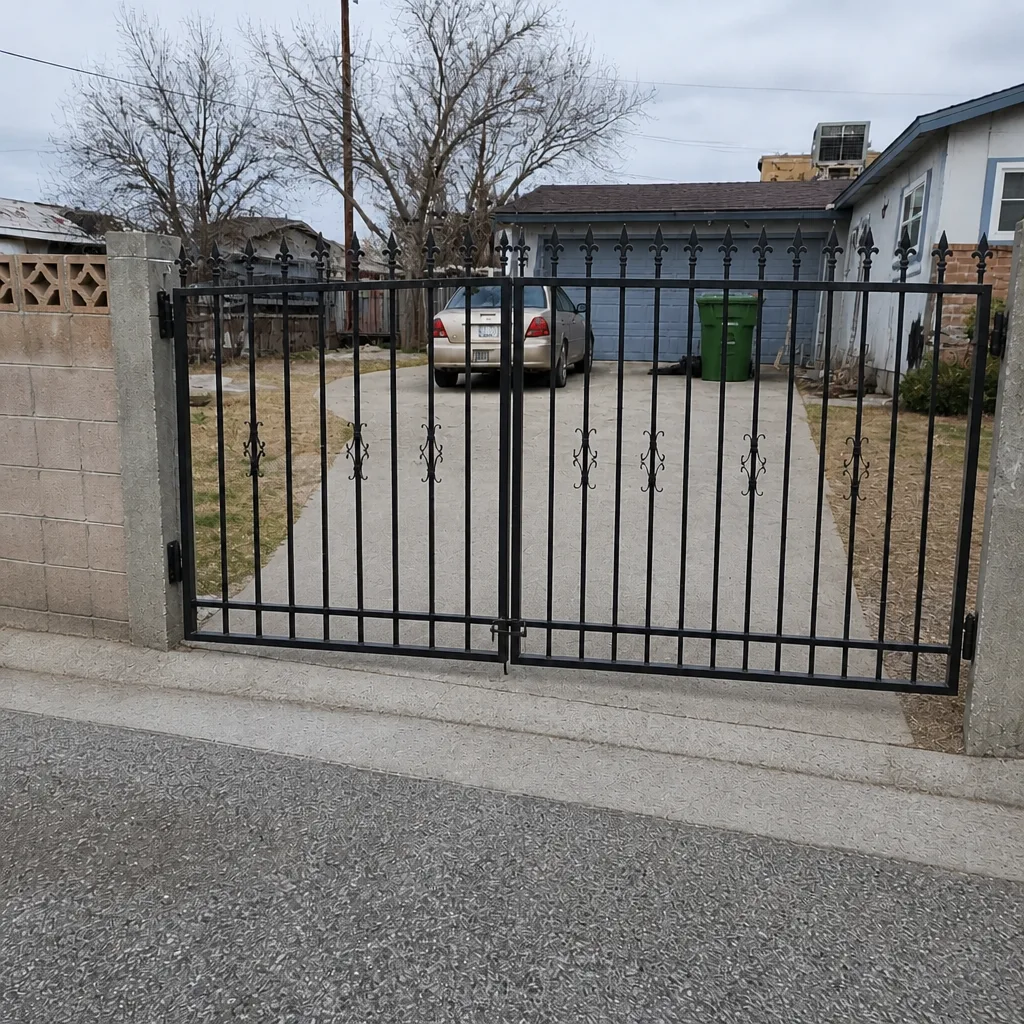 After
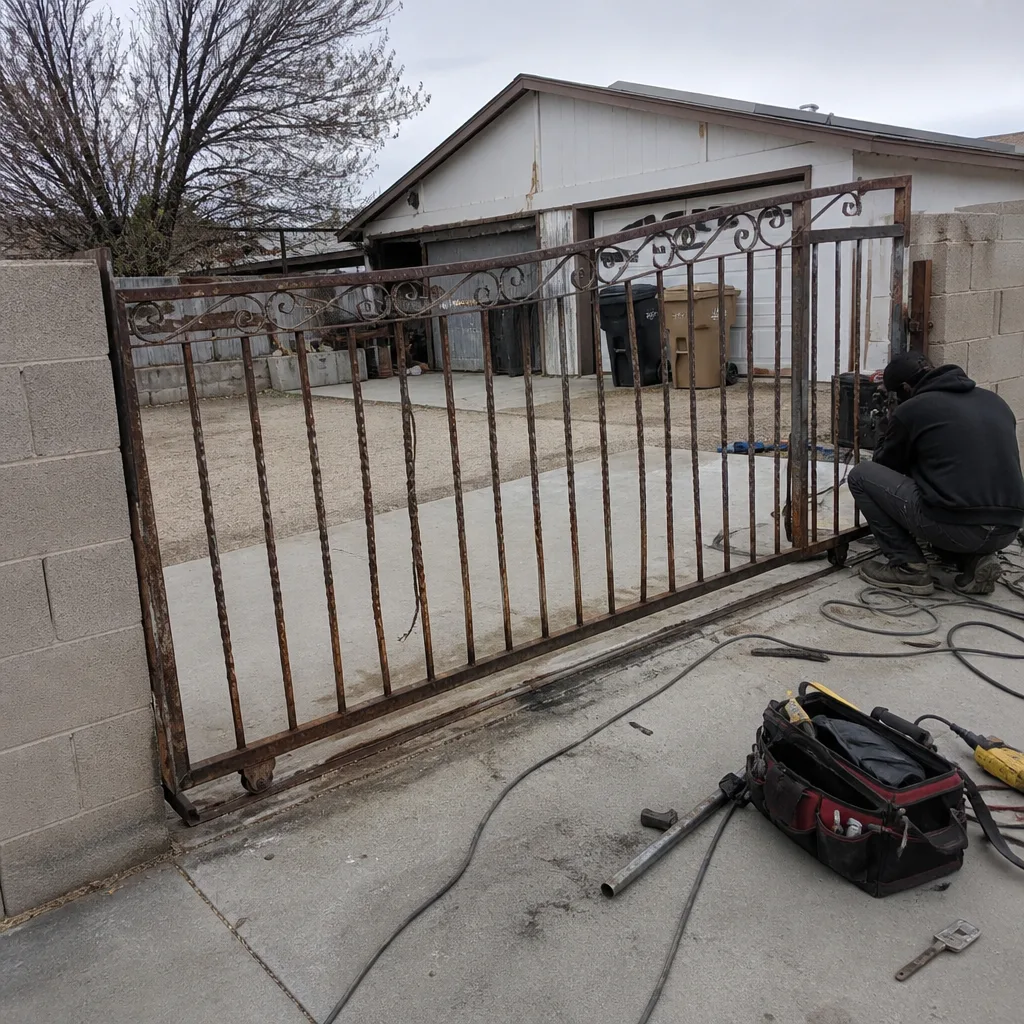 Before
 After
 Before
 After
When to Call a Professional
Call us when the gate reverses on its own, when the keypad opens for codes you never set, when the gate stops mid-travel, or when you see or smell burning at the operator. Those are stop-using-it-now scenarios. Call to schedule when the gate lags, when range drops, when the keypad misbehaves on some codes, or when you want a professional to confirm your gut is right before it becomes an expensive failure. Access control problems are like sagging gates: if you fix the panel without finding the real cause, you’ll fix it twice.
Gatewood Fence & Gate Sunrise Manor offers free estimates, and a live person answers every call, day or night. A technician with up to 25 years of experience will show up in the window we promise. If the fault is programming, we’ll tell you that instead of selling you a board. Every job carries the 90-Day Done Right Promise in writing. Call (844) 761-8729 for a free estimate.
Frequently Asked Questions
It depends on the sign. If the gate completes every cycle and just lags or shows shrinking remote range, you can keep using it while you schedule a repair. If the gate reverses without an obstacle, opens on its own, or stops mid-travel, stop using it and call. Those are safety and security failures, not quirks.
Most access control repairs in Sunrise Manor run $180 to $420 depending on the component, brand, and whether wiring has to be run. A sensor adjustment or keypad reprogram is on the low end; a board replacement on a DoorKing or Linear unit is on the high end. We give you a firm quote before any work starts, and there’s no trip charge inside the county.
No, though in Sunrise Manor heat, the capacitor is the most common cause. A dead remote battery, corroded terminals, a failing transformer, and worn motor brushes can all cause lag. The time of day matters: lag that’s worse in the afternoon points to heat-sensitive electronics, which usually means the capacitor but can mean a failing board.
Most often the signal from the keypad isn’t reaching the controller, or the controller isn’t acting on it. That’s usually a loose wire, a mismatched channel, or a board relay that has stopped responding. On DoorKing systems, it can also be a programming state. A five-minute call usually narrows it down.
For anything involving a sensor, wiring, or safety edge, yes. For a programming issue, we can sometimes diagnose it over the phone, particularly on Linear and Ghost Controls systems. The most efficient approach is to log what the gate does for a few days and bring that log to the call.
Yes, and often does. Moisture that gets into an unsealed photo-eye or keypad housing quietly corrodes the terminals for weeks before the gate starts misbehaving. If your gate fails the summer after a wet monsoon, water intrusion is on the shortlist, especially on older Sunrise Manor lots where the housings may never have been sealed properly.
The Bottom Line
Access control systems send warnings for weeks before they fail, and the warnings are easy to dismiss as quirks – a little lag, a little less range, a keypad that works “most of the time.” The signs that mean stop-using-the-gate-now are reversal with no obstruction, uncommanded opening, and a gate that won’t complete a cycle. Everything else is a repair you have time to schedule. Keep a three-line log, get the gate tested before you buy parts, and treat a lagging gate as a signal rather than an annoyance. A small fix now is almost always cheaper than the repair later.
If you’re in Sunrise Manor and your gate is showing any of these signs, call us at (844) 761-8729 for a free estimate and a straight answer about what it needs. Free second opinions are available on any written estimate, and we give $40 off any repair over $200. Seniors and veterans always get an additional 10% off. The gate can be welded in your driveway, and no job leaves without the 90-Day Done Right Promise in writing.
Written by the team at Gatewood Fence & Gate Sunrise Manor.