
Last updated November 18, 2026
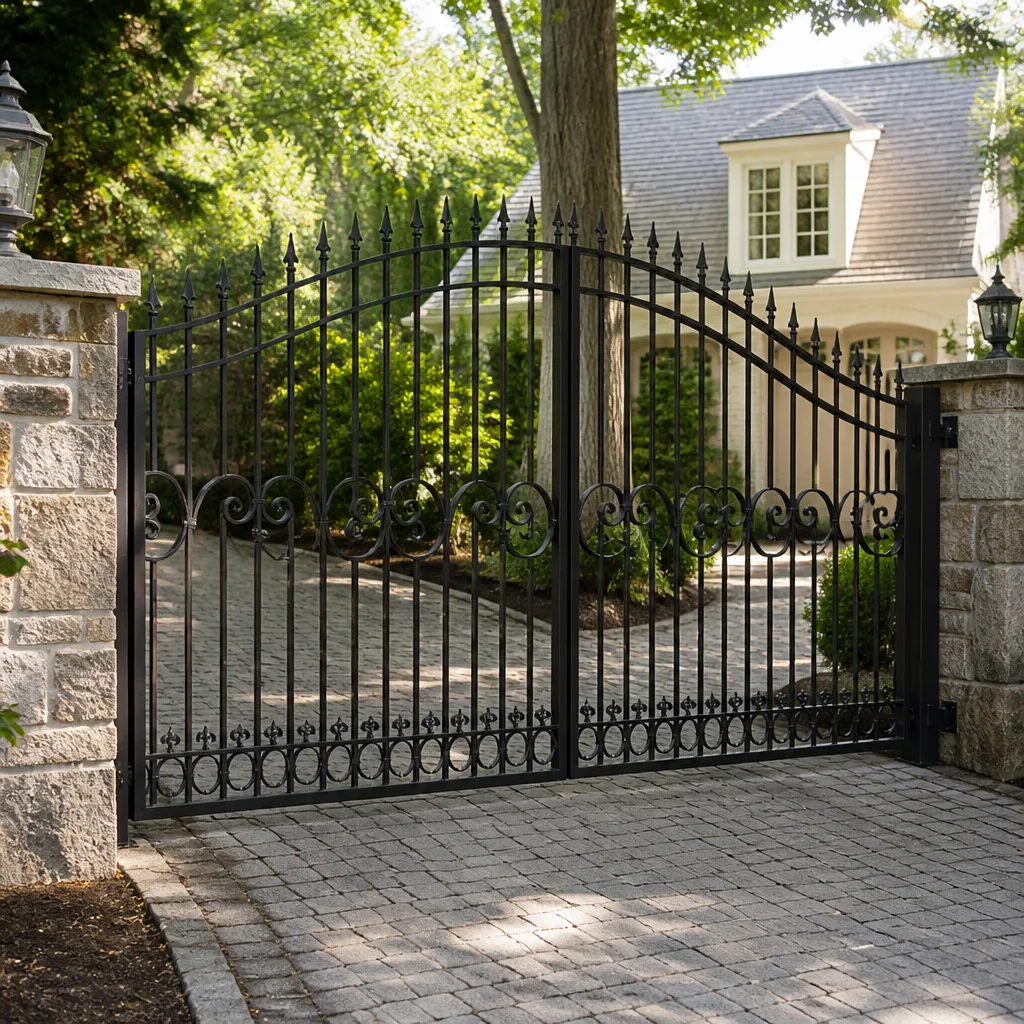 Wrought iron
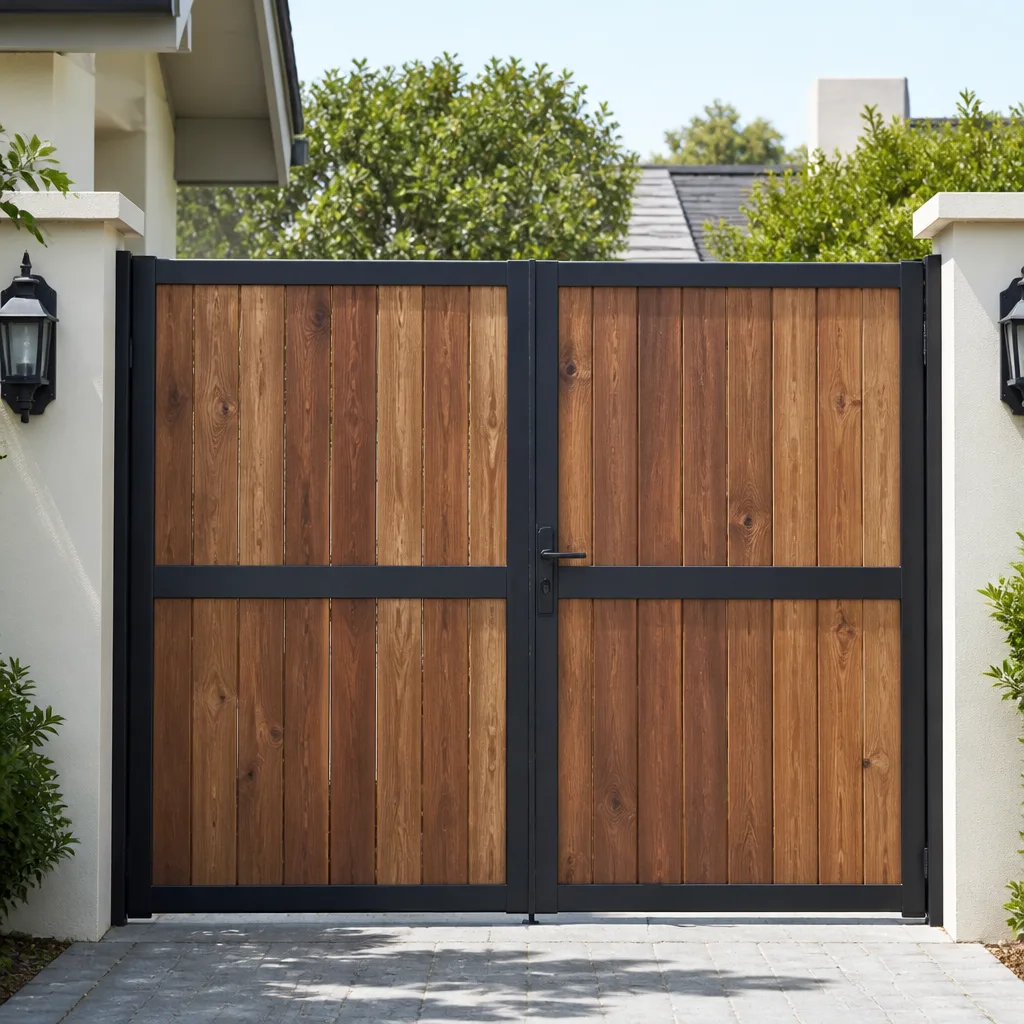 Wood & steel frame
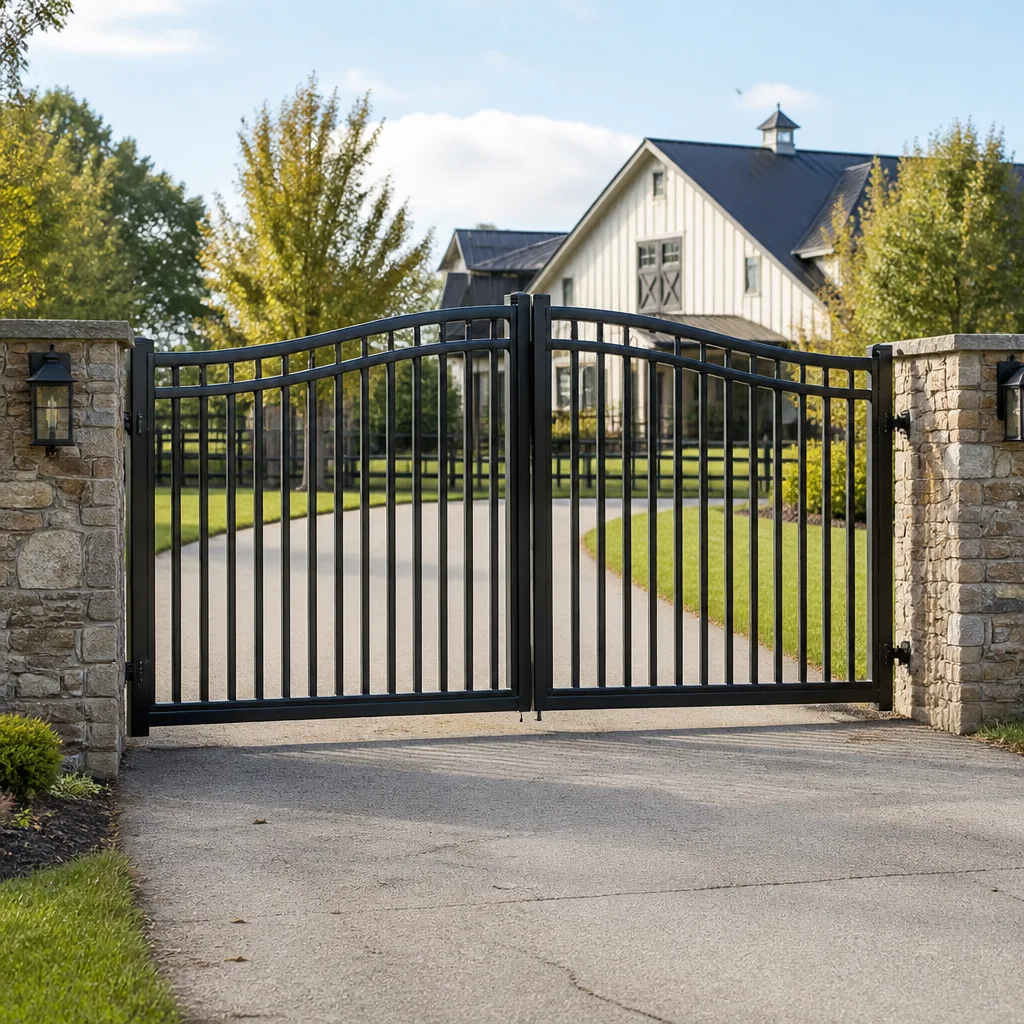 Farm & ranch
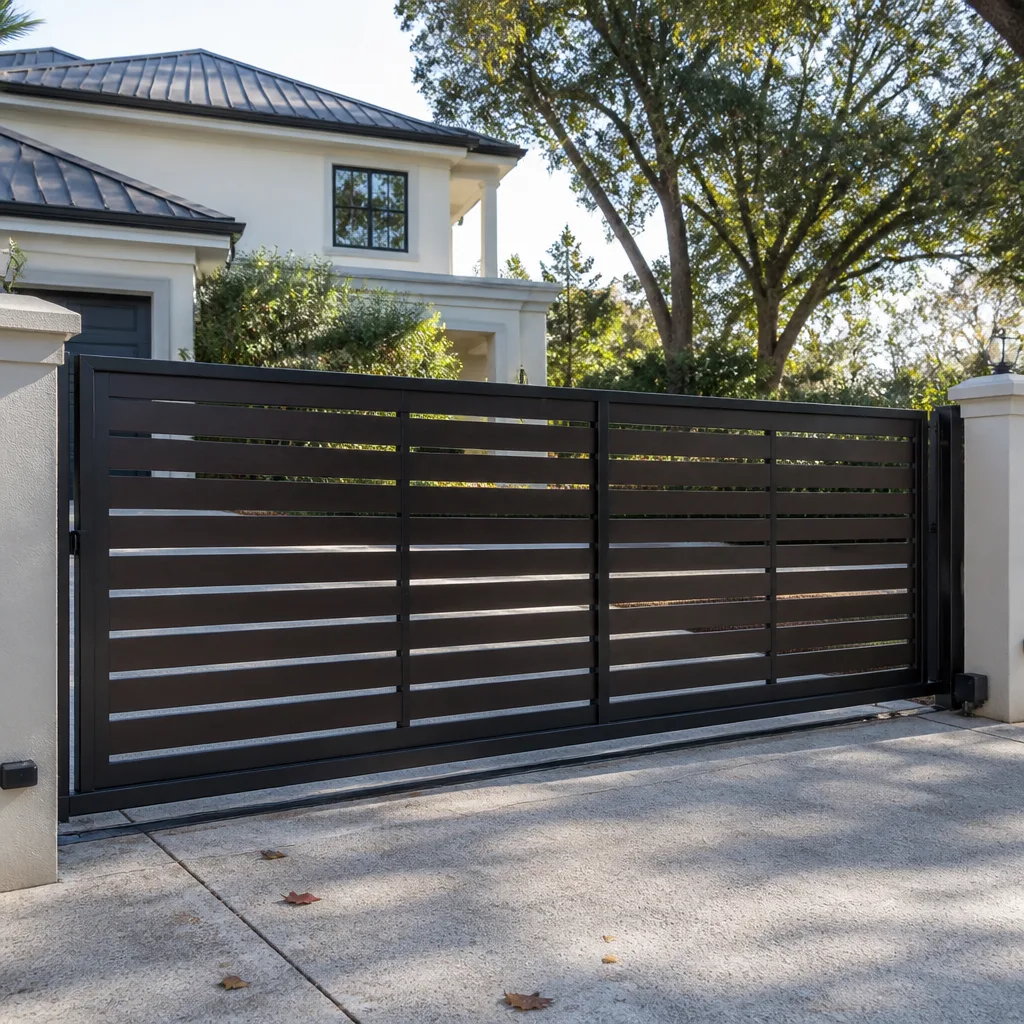 Sliding driveway gates
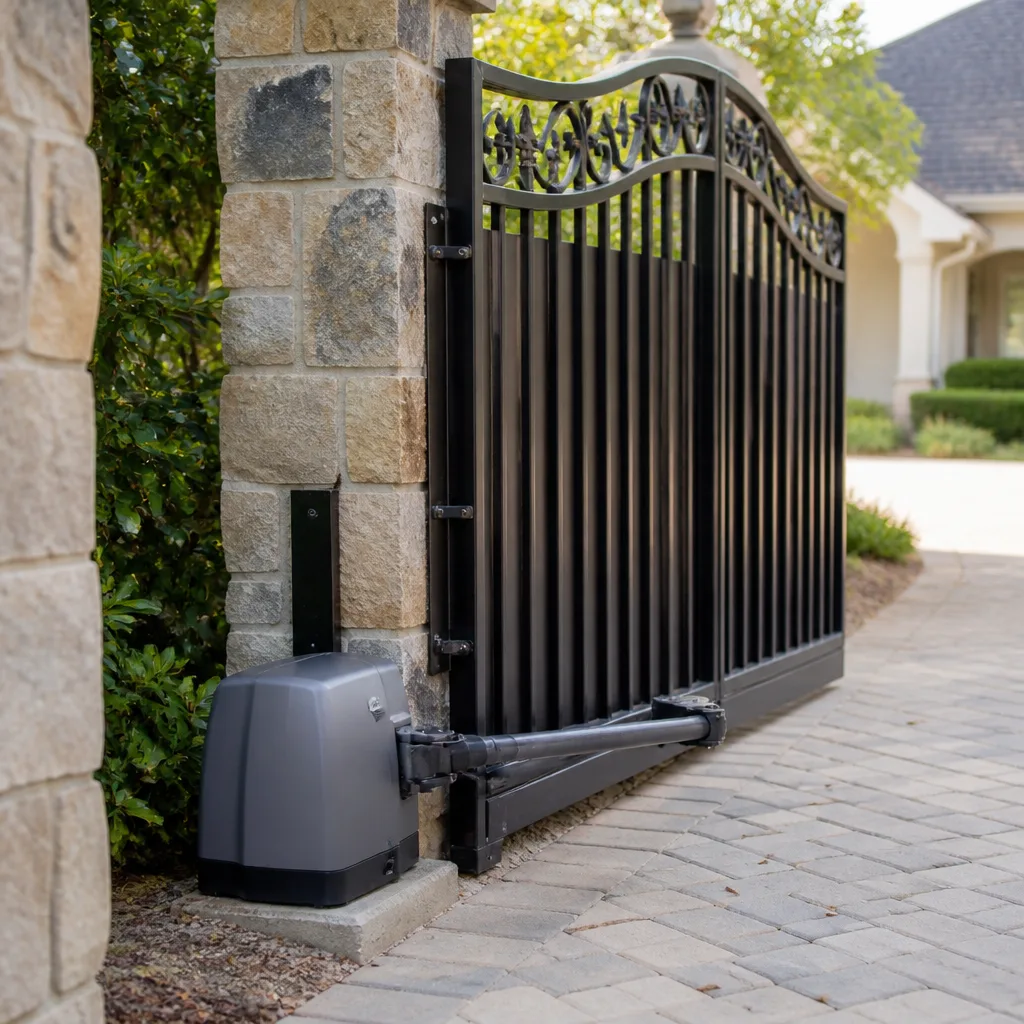 LiftMaster operators
Free on-site gate assessment - hinges, posts, and your LiftMaster or Nice gate operator checked before anything is quoted
The assessment is free and the quote is the invoice.
Get your free estimateGate Repair Troubleshooting: Common Problems and How to Fix Them
If your gate is dragging on the ground, the hinge isn’t the problem – the post is, and replacing the hinge without touching the post is exactly how you end up calling someone again in four months. We’ve pulled apart enough gates around Sunrise Manor to know that most “new” problems are old problems somebody patched over. This guide works backwards from the symptom you’re staring at to the single root cause driving it, so you fix the gate once. You’ll learn how to tell a sag from a rub, how to test an opener failure before you buy parts, why cold-morning squeals matter, and when a cracked weld is a quick fix versus a structural conversation.
Quick Answer
Most gate problems trace back to one of four root causes: a failing hinge post, a warped or settling frame, a misaligned latch strike plate, or an opener that’s drifted out of limit. Fix the root cause and the symptom stays gone. Fix the symptom alone and it comes back within a season. The sections below walk through how to identify which one you’re dealing with before you spend a dollar on parts.
Styles & brands we work with
- Wrought iron
- Wood & steel frame
- Farm & ranch
- Sliding driveway gates
- LiftMaster operators
Table of Contents
- Sagging vs. Rubbing: Two Problems That Look Identical
- Diagnosing an Automatic Opener: Electrical, Mechanical, or Limit Drift
- Why Your Gate Squeals on Cold Mornings and Quiets by Noon
- The Two-Finger Test for Latch Strike Plate Alignment
- Cracked Weld vs. Fatigued Metal: Telling Them Apart
- How Sunrise Manor Conditions Accelerate Gate Wear
- Seasonal Checks That Prevent Repeat Repairs
- Common Mistakes to Avoid
Sagging vs. Rubbing: Two Problems That Look Identical
A gate that sags hangs low at the latch end. A gate that rubs drags against the post or the ground along its length. To a homeowner squinting from the driveway, they look like the same problem. They aren’t, and the fix is completely different.
A sag almost always starts in the hinge post. The post has rotated, heaved, or lost its footing, and the gate is simply following it down. The gate leaf itself is usually fine. When we see a sag in Sunrise Manor, the first thing we do is check the post for plumb. If it’s leaning even a quarter inch out of plumb, that’s your cause, and re-hanging the gate on new hinges without addressing the post will fail. This is where we start, because a gate sags in the hinge post, not in the middle.
A rub is a frame problem. The gate leaf has warped, the frame has settled unevenly, or the whole assembly has shifted with ground movement. You’ll see fresh scrape marks along the bottom rail or the latch side, and the gate will bind through part of its swing but not the rest. Rubs get worse in summer heat when metal expands, which is why a gate that clears the ground in January can drag by June in the Nevada sun.
Here’s how to tell them apart in under a minute:
- Stand at the latch end and sight down the top rail toward the hinge. If the rail runs downhill toward the latch, you have a sag.
- Open the gate to 45 degrees and look for daylight under the bottom rail. Uneven clearance along the length is a rub.
- Push up firmly on the latch end. If it lifts easily and springs back down, the hinge post is the culprit.
- Look for scrape marks. Bright metal on the bottom rail or post face is a rub, not a sag.
Fix the panel without the post and you’ll fix it twice. That’s the rule we work by, and it’s saved more than a few Sunrise Manor homeowners the cost of a second repair call.
Diagnosing an Automatic Opener: Electrical, Mechanical, or Limit Drift
When an automatic gate stops working, most people assume the motor is dead and start pricing a replacement. More often than not, the motor is fine. The problem falls into one of three buckets, and you can narrow it down in about ten minutes without opening a panel.
Electrical. The gate does nothing at all – no sound, no movement, no lights on the control board. Check the breaker first, then the transformer and any low-voltage wiring running to the keypad or safety edges. Rodents chew through buried low-voltage lines constantly, especially in the open lots and acreage parcels around Sunrise Manor. A chewed wire looks exactly like a dead motor until you trace it.
Mechanical. The motor hums, the chain or arm moves, but the gate doesn’t, or it moves in jerks. That’s a mechanical bind – a worn hinge, a bent track, a stripped gear, or a chain that’s jumped the sprocket. On brands like Linear and Viking, a stripped drive gear is common after years of use and shows up as a gate that opens partway and stalls.
Limit drift. The gate opens and closes but stops in the wrong spot, reverses for no reason, or slams at the end of travel. That’s the limit switch drifting out of adjustment, and it’s the cheapest of the three to fix. On most residential operators, limit adjustment is a matter of minutes with a screwdriver and the manual. Before you buy any parts, watch a full open-close cycle and time how long the gate runs past where it should stop.
If you’ve got a DoorKing or a Ghost Controls operator and you’re not sure which bucket you’re in, a second opinion is worth more than a parts order. We offer a free second opinion on any written estimate, and a live person answers the phone around the clock.
Why Your Gate Squeals on Cold Mornings and Quiets by Noon
A gate that shrieks at 7 a.m. in January and runs silent by lunch is telling you something specific: the metal is contracting in the cold and the moving parts are binding where they shouldn’t. In Sunrise Manor, our cold mornings are mild compared to the mountains, but they’re real, and they show up on gates that haven’t been serviced in a while.
The squeal itself is friction between two metal surfaces that shouldn’t be touching – a hinge pin, a roller, a latch bolt, or a weld seam. As the gate warms through the morning, the metal expands a few thousandths of an inch, the binding relaxes, and the noise stops. That’s why it disappears by noon. The gate hasn’t fixed itself. It’s just warmed into a slightly looser fit.
What the cold-morning squeal is actually telling you about is metal fatigue at the pivot points. Worn hinge bushings, stretched chain, or a bent roller bracket will all squeal when cold and quiet down when warm. Left alone, the wear accelerates – a squealing hinge becomes a wallowed-out hole becomes a post repair. The good news is that the fix is usually simple: new bushings, fresh lubricant rated for temperature swings, and a check that no pivot hardware is loose.
Don’t chase the squeal with spray lubricant alone. That buys you a week of quiet and hides the worn part underneath. If a hinge is squealing, the bushing is telling you it’s done.
The Two-Finger Test for Latch Strike Plate Alignment
Before you replace a latch that “won’t catch,” test whether the latch is actually the problem. Most of the time it isn’t – the strike plate has drifted out of alignment and the latch is doing exactly what it should, just missing its target.
Here’s the two-finger test:
- Open the gate and hold it at the closed position without letting the latch engage.
- Slide two fingers between the latch bolt and the strike plate. You should feel even clearance across the full height of the plate.
- If your fingers catch on one edge and clear on the other, the strike plate is out of alignment – either it’s shifted vertically, the gate has sagged at the latch end, or the post has moved.
- If the plate is aligned but the latch still won’t hold, then the latch mechanism itself is worn and worth replacing.
Most strike-plate misalignment traces back to the hinge post again. A post that’s rotated a fraction of an inch moves the strike plate a quarter inch, which is more than enough to make a latch miss. On self-closing gates, this is the number one reason a gate “won’t latch.” Show me the gate closing on its own and I’ll show you where it’s failing – the latch is just the messenger.
If the strike plate is only slightly off, a careful realignment of the plate can solve it. If the post has moved, plate adjustments are a temporary patch. If you’re not sure which you’re looking at, our Gate Repair in Sunrise Manor service covers latch and alignment diagnostics as part of a standard visit.
Cracked Weld vs. Fatigued Metal: Telling Them Apart
Not every crack means the same thing. A cracked weld is a localized failure at the joint. Fatigued metal is a structural failure in the parent metal itself. One is a quick fix. The other is a conversation about whether the gate leaf is worth repairing or needs to be replaced. Getting the difference wrong can cost you a gate.
A cracked weld usually shows up as a clean fracture right along the weld bead, with the parent metal on both sides still intact. It happens when the original weld was undersized, cold, or poorly penetrated. You’ll often see it at a hinge plate, a corner joint, or where a picket meets a rail. This is a weld repair, and it’s the kind of thing we do on-site – the gate stays in your driveway, we grind it back, weld it properly, and it’s stronger than it was. Welding on site has been part of our Gate Installation in Sunrise Manor and repair work for as long as we’ve been at it, and it’s the reason a lot of repairs get done the same visit.
Fatigued metal shows up as a crack that runs through the parent metal, often away from any weld, and often with visible thinning, rust-through, or a hairline that spreads when you stress the gate. That’s structural. It comes from years of flexing, corrosion, or a gate that was undersized for its span. A fatigue crack in a hollow-steel frame near a hinge is the one we take seriously – it means the load path has failed, and welding over it without adding reinforcement just moves the failure point.
How to tell:
- Cracked weld: fracture follows the weld bead, parent metal clean on both sides, no rust-through.
- Fatigued metal: crack runs through the tube or bar away from a weld, often with thinning or corrosion, may grow when you flex the gate.
- Both present: treat as structural and get a professional opinion before welding.
How Sunrise Manor Conditions Accelerate Gate Wear
Gates in Sunrise Manor live a harder life than gates in most of the country, and it shows up as repair calls that look premature. The combination of summer heat, wind-blown dust, and soils that shift with irrigation is tough on any gate, and it shapes what we see on repair visits.
Summer heat expands steel and aluminum throughout the day, and a gate that clears the ground in the morning can drag by afternoon. Thermal cycling also works hinge bushings and pivot hardware loose over time. Dust settles into rollers and tracks and turns into a grinding paste that eats moving parts from the inside. And the clay-heavy soils common in this part of the valley swell and shrink with every irrigation cycle, which is exactly why a hinge post that was plumb in spring can be leaning a half inch by fall.
We see the same patterns on the same streets. On the older lots where gates have been in the ground for many years, we regularly find hinge posts heaved out of plumb after a wet winter. On newer builds, we often find gates installed with the smallest post that passed inspection, which shows up as a sag within a few years. Either way, the fix starts at the post.
If your gate is one of the many with a Gate Motor & Opener in Sunrise Manor on it, the heat matters for the operator too. Control boards and battery backups age faster in high heat, and dust is hard on limit switches. An annual check on the operator pays for itself in avoided emergency calls.
Seasonal Checks That Prevent Repeat Repairs
Most repeat repairs we get called back for are the same failure a few months later, and most of them are preventable with a short check twice a year. We recommend a spring check after the last cold snap and a fall check before the heat ramps down and the winds pick up.
- Check the hinge post for plumb. A level held against the post tells you in seconds. Any lean is worth noting.
- Open and close the gate by hand. It should move freely and stop at the same place every time. Any bind is worth investigating.
- Listen for squeals or grinding. A dry hinge, a worn bushing, or a stretched chain all make noise before they fail.
- Test the latch alignment. The two-finger test takes a minute and catches drift before it becomes a no-latch problem.
- Look for rust, cracks, and scrape marks. Fresh scrape marks on the bottom rail mean the gate is rubbing and needs attention.
- Test the opener limits. Run a full cycle and watch where the gate stops. If it’s overshooting or reversing, get the limits adjusted before the gear wears.
- Clear the safety edges. Dust and debris around safety edges cause false stops and can make a gate reverse on its own.
If a check turns up something you don’t want to tackle yourself, that’s what we’re here for. Our Gatewood Fence & Gate Sunrise Manor home page has the full list of what we handle, and you can always call and talk to a live person.
Common Mistakes to Avoid
- Replacing hinges on a bad post. A new hinge on a leaning post will fail faster than the old one did. The post is the foundation, and it has to be right first.
- Buying a new opener before testing the wiring. Chewed low-voltage wire around Sunrise Manor’s open lots looks exactly like a dead motor. Trace the wire before you spend.
- Spraying lubricant on a worn bushing instead of replacing it. Lubricant quiets the symptom. The bushing is still worn, and it’ll make noise again within a week.
- Welding over a fatigue crack without reinforcing. That moves the failure point to the next weak spot instead of fixing it. Structural cracks need reinforcement, not a patch.
- Forcing a misaligned latch closed by hand. A latch that needs force is telling you the strike plate has drifted. Forcing it wears the latch mechanism and eventually the gate frame.
- Ignoring a cold-morning squeal because it goes away. That squeal is a worn part with a head start. The longer you wait, the more it costs.
- Adjusting opener limits without watching a full cycle. You can chase a limit adjustment for an hour if you don’t first watch what the gate actually does.
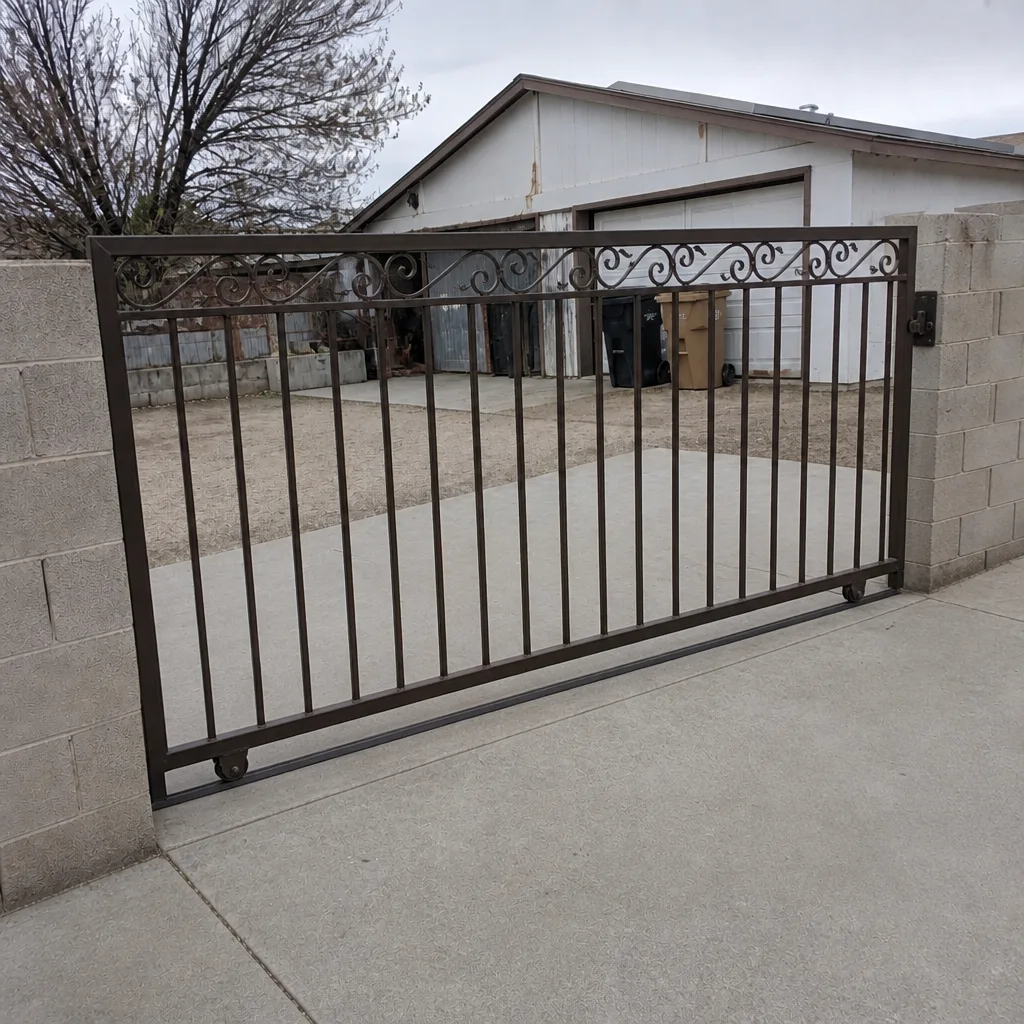
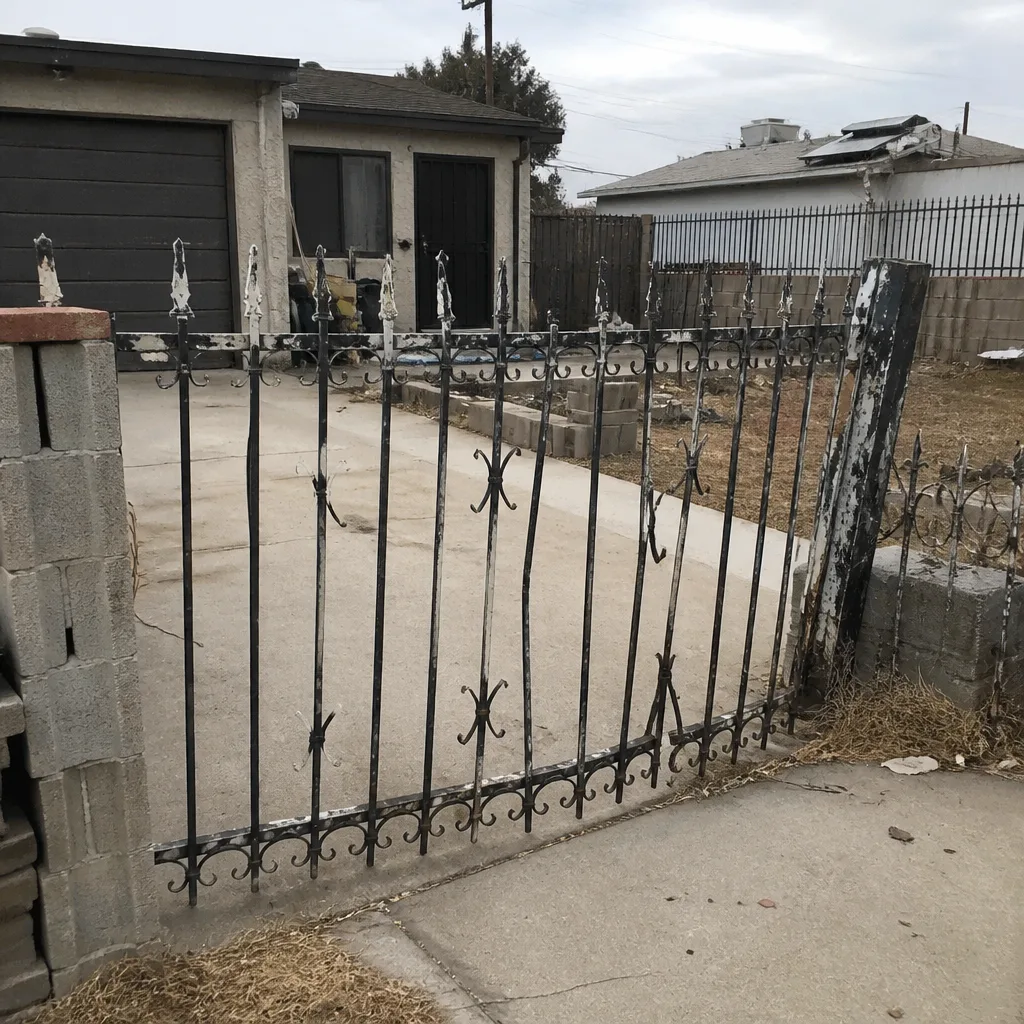
See the difference
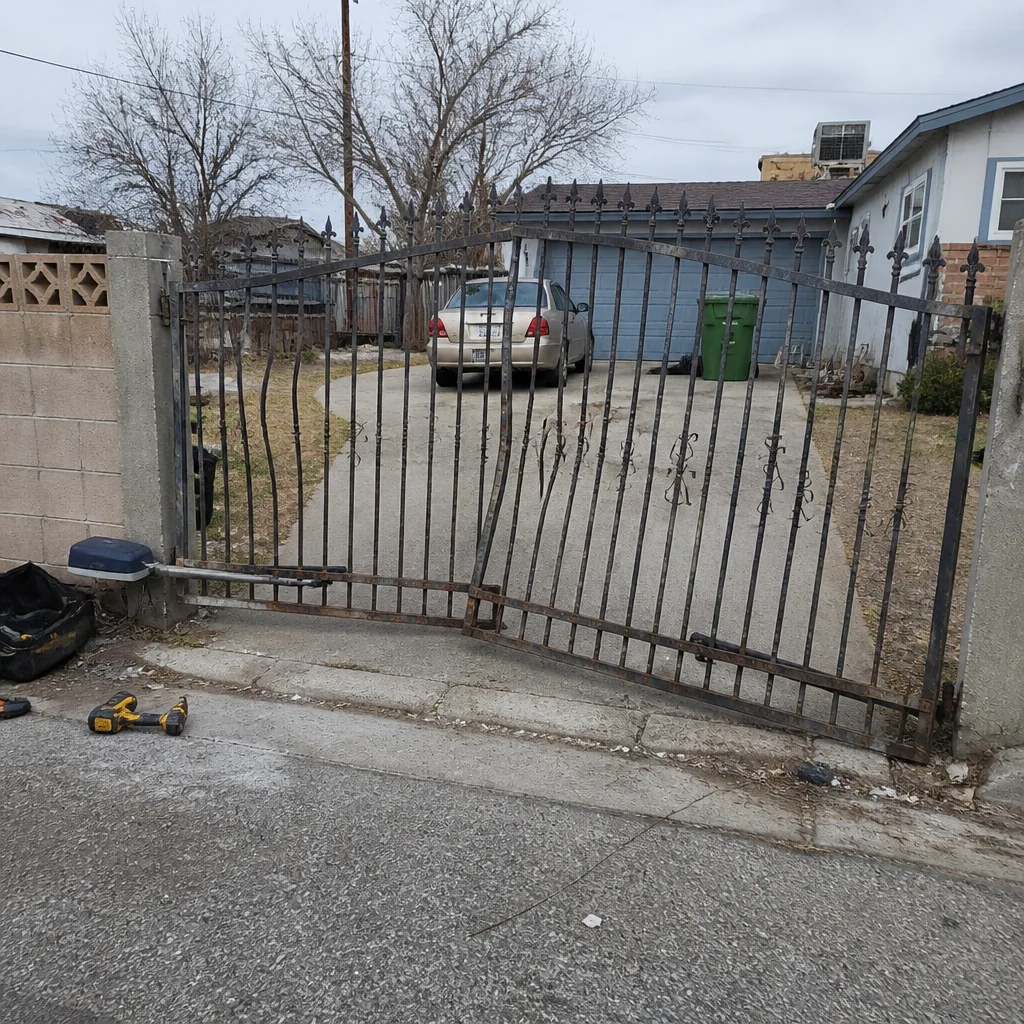 Before
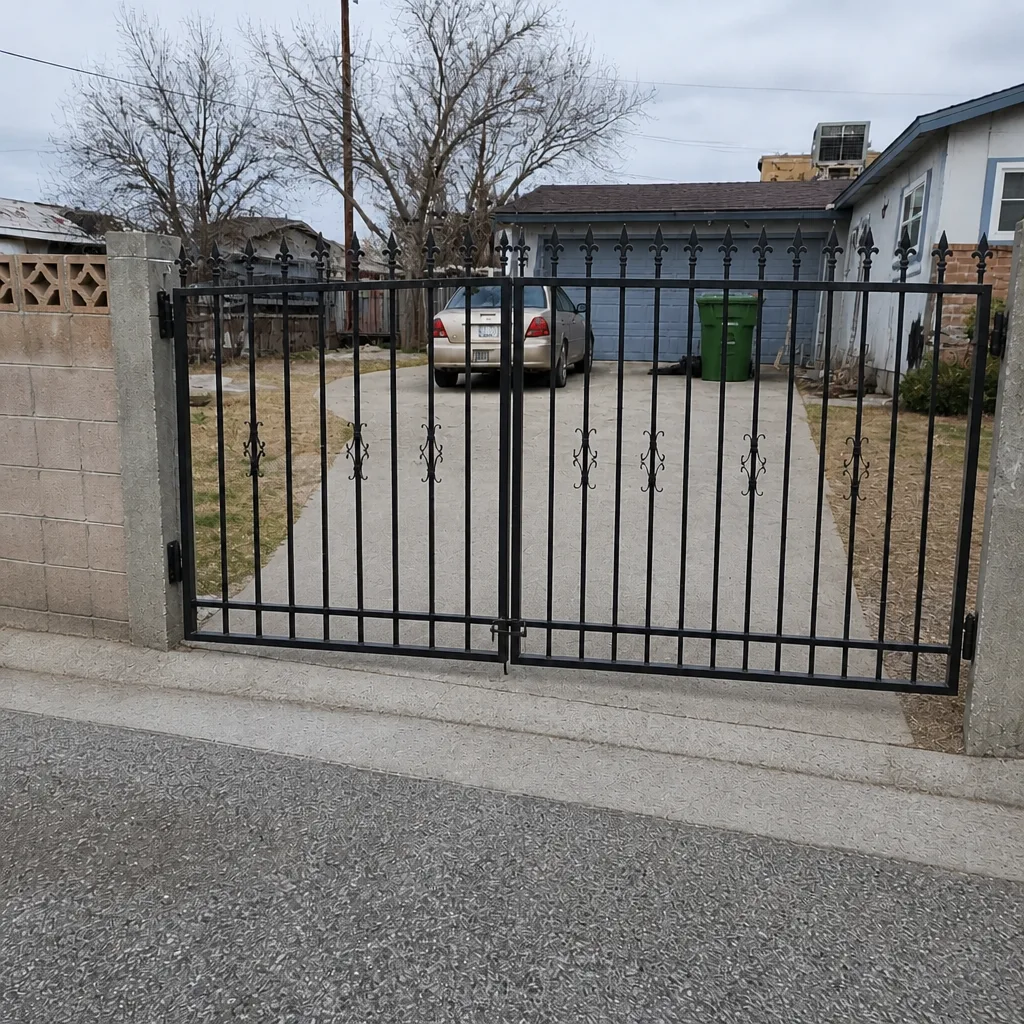 After
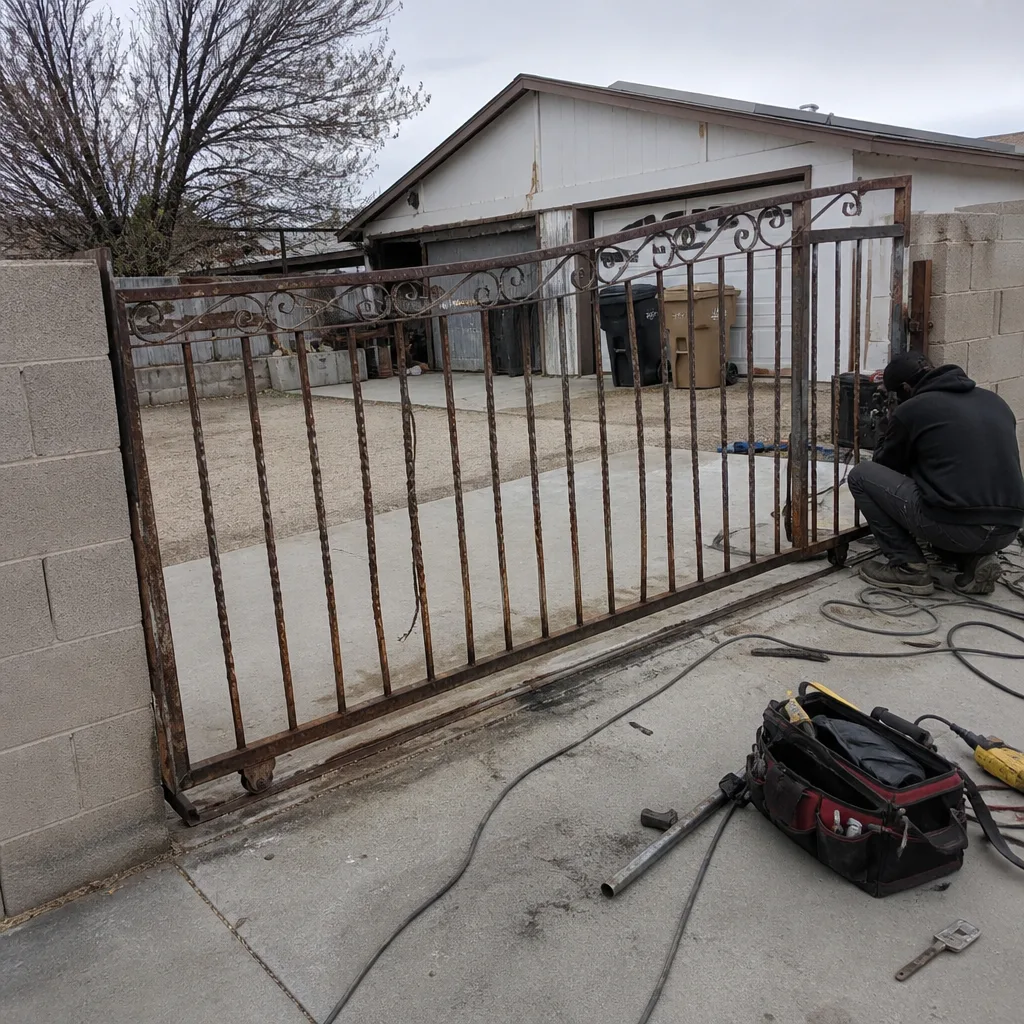 Before
 After
 Before
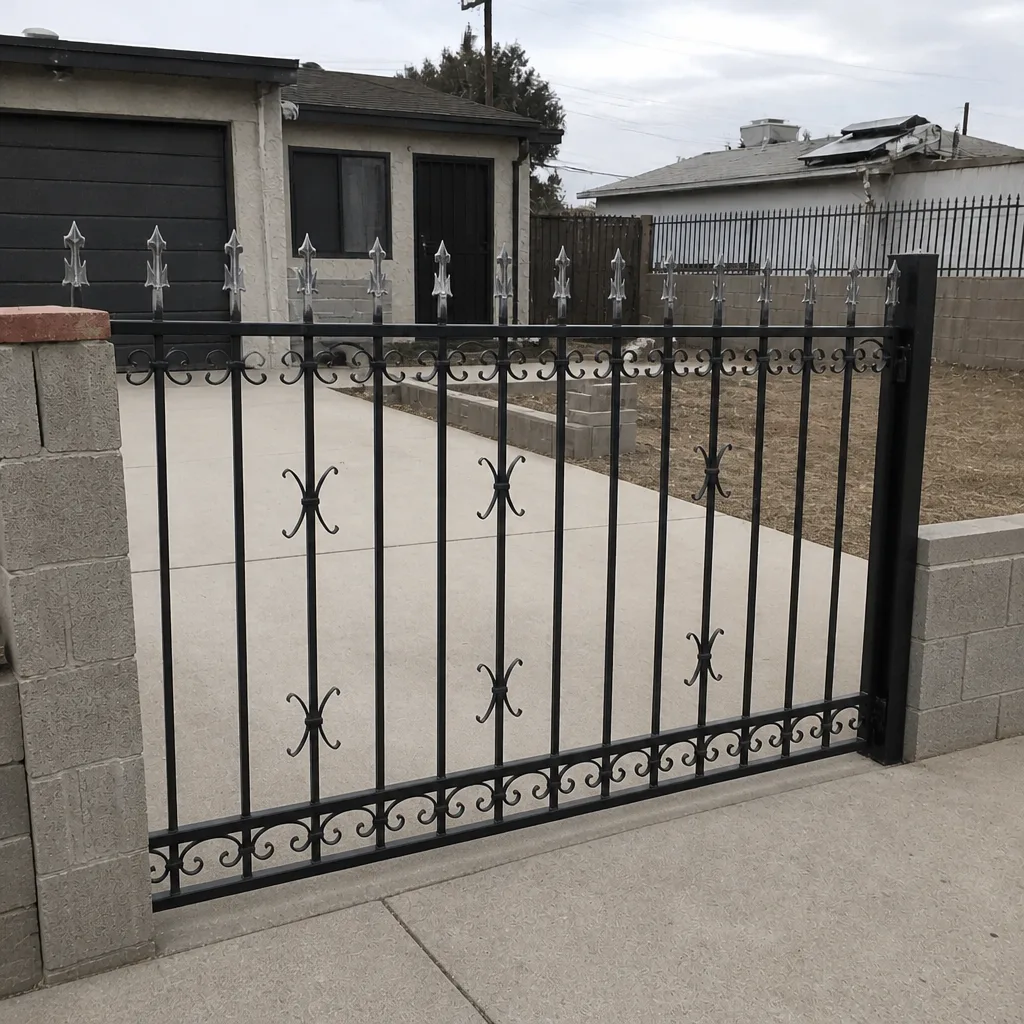 After
When to Call a Professional
Some of these fixes are well within reach for a homeowner with a wrench and a Saturday morning. Others aren’t, and knowing which is which is what saves you money and keeps you safe. Call us when the hinge post needs resetting, when a structurural crack shows up in the parent metal, when on-site welding is required, or when your opener’s control board is suspect and you don’t want to throw parts at it. Call us too if the gate is on a slope, if the safety edges have stopped working, or if you’ve tried a fix and the symptom came back.
Gatewood Fence & Gate Sunrise Manor offers free estimates throughout Sunrise Manor and the surrounding area – call (844) 761-8729. A live person answers around the clock, and every job goes out with the 90-Day Done Right Promise in writing.
Frequently Asked Questions
A hinge post that has rotated or heaved out of plumb. The gate leaf is usually fine – it’s following the post down. Resetting the post is the fix; replacing hinges on a leaning post fails within a season.
Not until you’ve ruled out wiring and limits. On brands like Linear and Viking, a stripped drive gear or drifted limit switch produces the same symptom as a dead motor. Test the wiring and watch a full cycle before buying parts. Call (844) 761-8729 for a free second opinion on any written estimate – estimates are free.
Cold metal contracts, moving parts bind, and the gate squeals until it warms up and expands a few thousandths of an inch. That squeal is worn hinge bushings or a dry pivot telling you the part is on its way out. Lubricant quiets it briefly; replacing the worn part fixes it.
A cracked weld follows the weld bead with clean parent metal on both sides – that’s an on-site weld repair. A fatigue crack runs through the parent metal away from the weld, often with corrosion or thinning. That one is structural and worth a professional opinion.
We’re certified to service nine major brands, including LiftMaster, FAAC, BFT, Linear, Viking, Ghost Controls, DoorKing, Elite, and Mighty Mule. Whether it’s a residential swing gate or a commercial slide gate, we can almost always diagnose it on the first visit.
Most residential repairs land in a few hundred dollars, and the exact price depends on what’s failed and how deep the fix goes. We quote upfront and agree the price before any work starts – the number on the estimate is the number on the invoice. Call (844) 761-8729 for a free estimate.
The Bottom Line
Troubleshooting a gate is mostly about working backwards from the symptom to the root cause, not throwing parts at whatever looks broken. A sag starts at the hinge post, a rub starts at the frame, an opener failure starts with a wiring and limit test, a cold-morning squeal points at worn bushings, and a crack in the parent metal is a structural question, not a weld patch. Fix the cause and the gate stays fixed. Skip that step and you’ll be calling again in a few months. That’s the whole reason we work the way we do – the gate stays in your driveway, we weld on site, and every job goes out with the 90-Day Done Right Promise in writing. The name is on the shop, and the shop is down the road – that’s the oldest accountability there is. Call (844) 761-8729 for a free estimate in Sunrise Manor.
Written by the team at Gatewood Fence & Gate Sunrise Manor.