
Last updated November 18, 2026
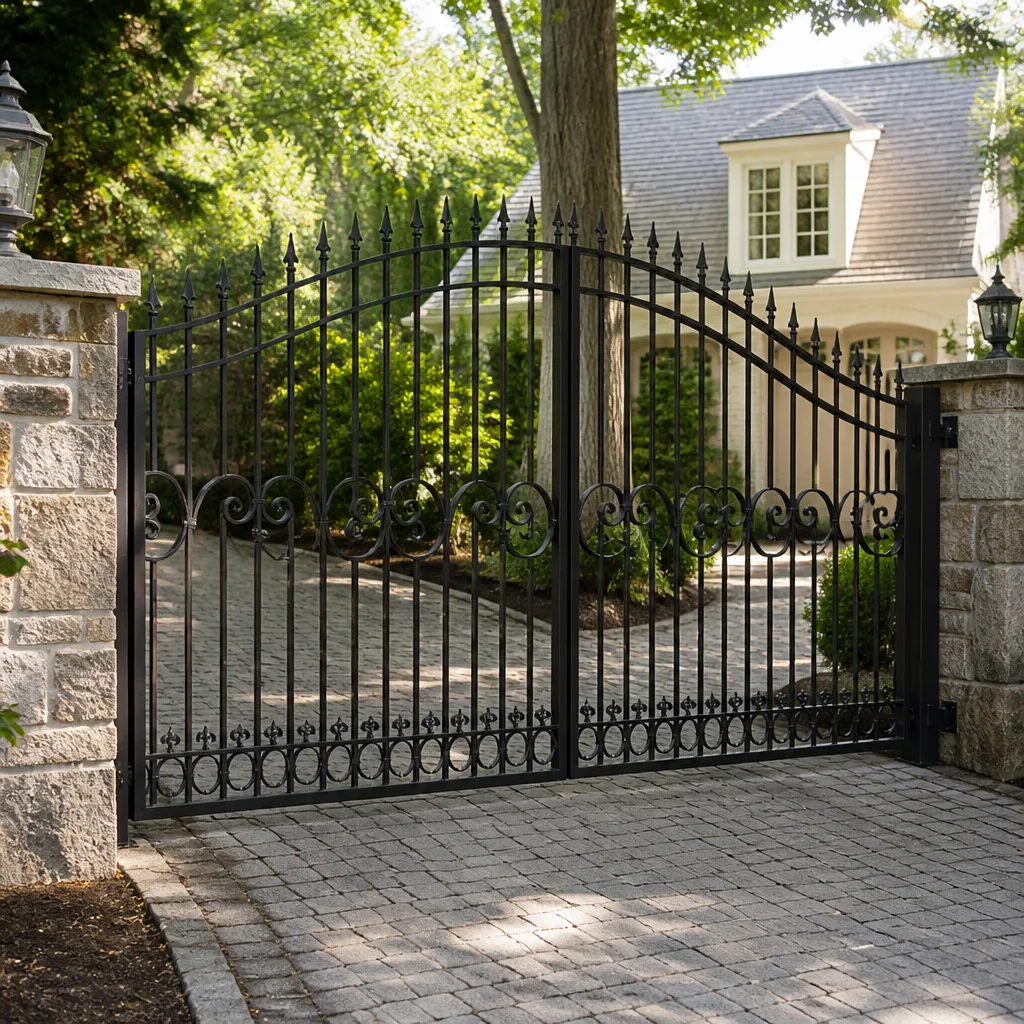 Wrought iron
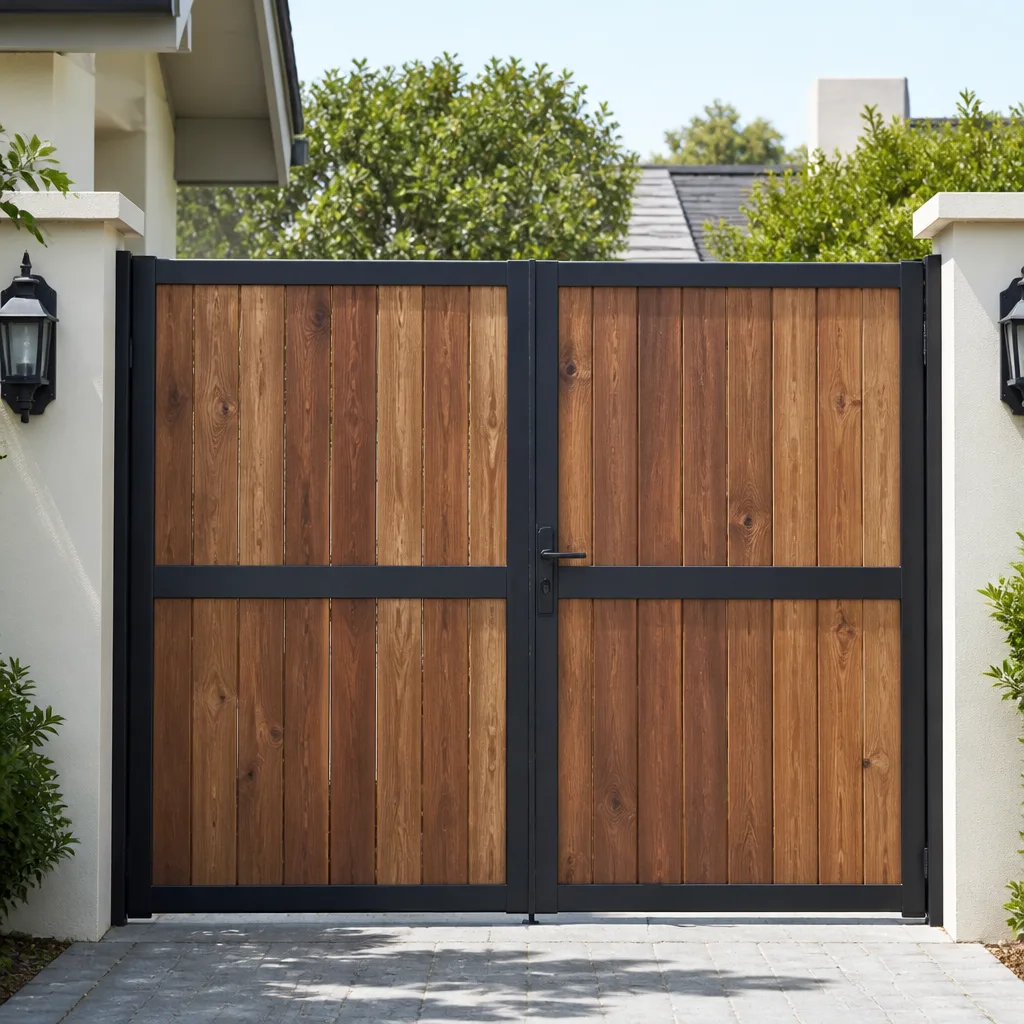 Wood & steel frame
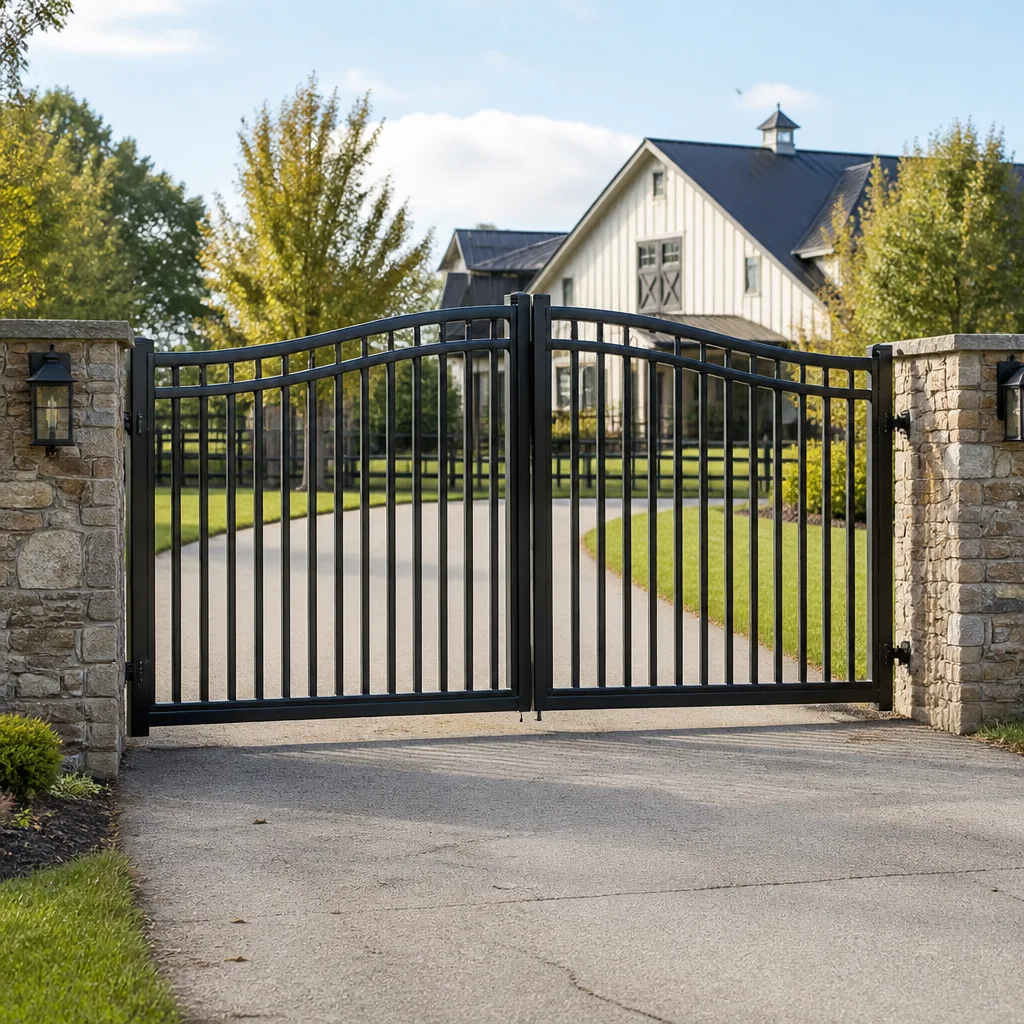 Farm & ranch
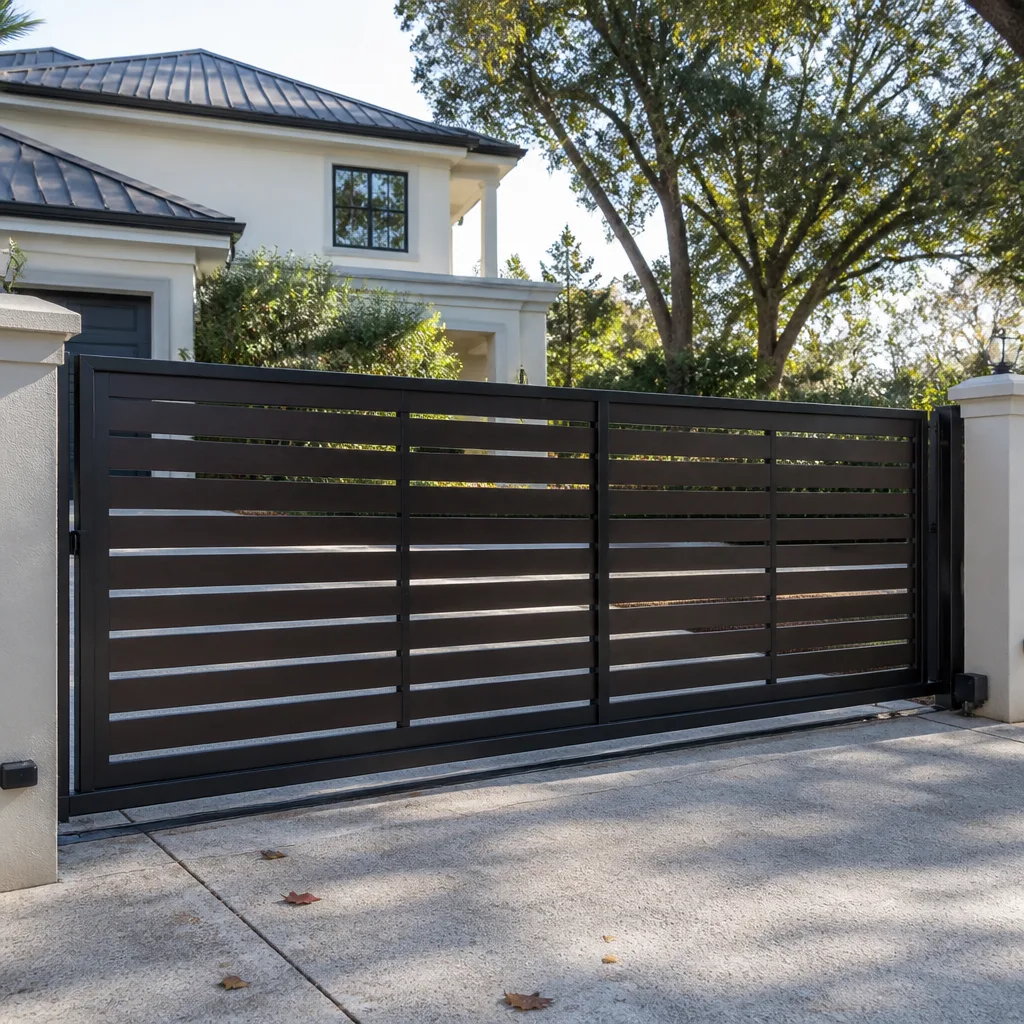 Sliding driveway gates
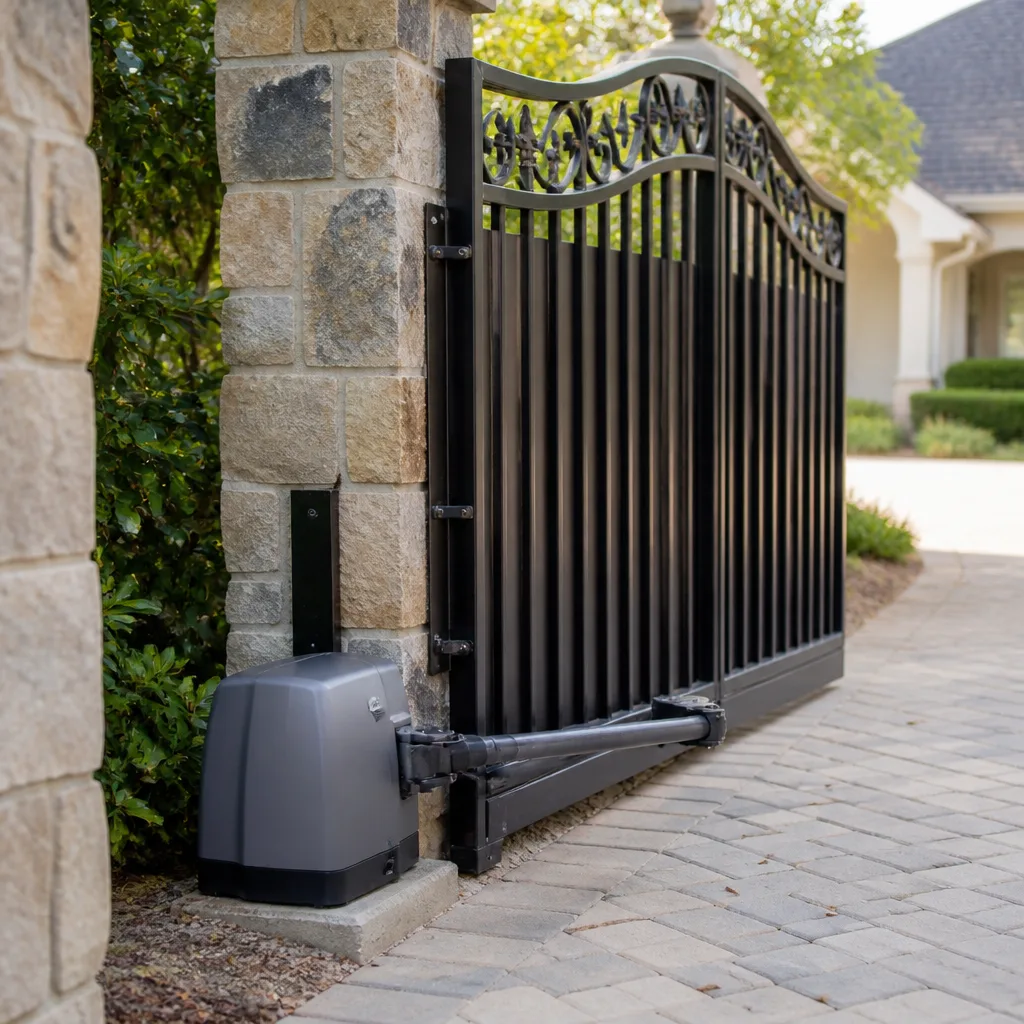 LiftMaster operators
Free on-site gate assessment - hinges, posts, and your LiftMaster or Nice gate operator checked before anything is quoted
The assessment is free and the quote is the invoice.
Get your free estimateGate Repair Maintenance Checklist for Sunrise Manor Homeowners
After 20-plus years of repairs, the job we see most often isn’t a catastrophic failure. It’s a $12 hinge bolt that worked itself loose over eight months and nobody caught it until the gate dragged itself into the driveway concrete. The motor wasn’t the problem. The post wasn’t the problem. Nobody looked. In Sunrise Manor, where summer heat sits above 110°F for weeks and the sun never lets up, gates age faster than almost anywhere else in the valley. This checklist covers what actually fails here, how to test it yourself in an afternoon, and when it’s time to call someone out. It’s built around the specific ways Sunrise Manor gates give out, not a generic list from a hardware store brochure.
Quick Answer
A Sunrise Manor gate needs a hardware and balance check twice a year – once in spring before the heat sets in, and once in fall after it breaks. Check hinge bolts, lubricate every moving part with a desert-rated product, test balance by hand with the motor disengaged, and look at the post base for cracks or lifting. Catching a loose bolt or early rust in spring costs a few dollars; catching it after the motor burns out or the post heaves costs hundreds or thousands.
Styles & brands we work with
- Wrought iron
- Wood & steel frame
- Farm & ranch
- Sliding driveway gates
- LiftMaster operators
Table of Contents
- Why Sunrise Manor Gates Need Two Checks a Year
- The Hardware Points That Fail First in Desert Heat
- How to Test Gate Balance by Hand
- Reading Rust: Early Surface Rust vs. Structural Rust
- Lubrication Schedule by Component
- The Post Base Check Most Homeowners Skip
- Common Mistakes to Avoid
- When to Call a Professional
Why Sunrise Manor Gates Need Two Checks a Year
Most of the country can get away with an annual gate check. Sunrise Manor can’t, and the reason is the climate. Our gates spend half the year baking at sustained temperatures above 110°F and the other half dealing with the temperature swings that come with a desert winter. Metal expands and contracts through that cycle, and every expansion loosens a bolt a fraction of a turn. Multiply that by a few thousand cycles of a motor pushing the gate open and closed, and hardware that started tight works itself loose by summer’s end.
The UV here is brutal, too. Sunrise Manor sits at roughly 2,000 feet in the Mojave, and the sun hits harder than it does in most of the country. Anything rubber – hinge bushings, wheel treads, weather seals on an operator housing – dries and cracks faster here than the manufacturer’s lifespan suggests. A wheel that would last five years on the coast might need replacing in three in Sunrise Manor. We’re not being dramatic; we just see the evidence every week in driveways across the east valley.
So the schedule we recommend is simple and non-negotiable:
- Spring check (March or April). Before the first stretch of triple-digit heat. This is when you catch the winter damage and get ahead of the summer baking.
- Fall check (October or November). After the worst of the heat has passed. This is when you catch what the summer did – dried rubber, loosened bolts, rust that started in June.
Two afternoons a year is the whole investment. The gate that gets checked twice a year costs a fraction of the one that gets ignored until it fails. And in Sunrise Manor, it will fail – the only question is whether it fails cheap or expensive. Our Gate Repair in Sunrise Manor service exists for the expensive failures; this checklist exists to keep you out of it.
The Hardware Points That Fail First in Desert Heat
Walk out to your gate with a wrench and a flashlight, and check these points in this order. The first three are where the heat does its damage in Sunrise Manor.
- Hinge bolts. Check every bolt on every hinge, top and bottom. A hinge bolt that has backed out even a quarter turn lets the gate swing a hair lower, which loads the latch and the operator. Tighten anything loose and replace any bolt that spins freely – that’s a stripped thread, not a tight bolt.
- Hinge bushings and pins. Worn bushings are the silent killer. If the gate drops slightly when you lift it by hand, the bushing or pin is worn. In Sunrise Manor heat, these dry out and wear faster than any other component on the gate.
- Latch and striker alignment. The latch should engage smoothly without the gate being pushed or lifted. If you have to lift the gate to close it, the hinges are worn or the post has moved – both worth catching before the latch hardware breaks.
- Rust on the frame and pickets. Focus on the bottom rail and the hinge area, where water pools and never fully drains after a rare desert rain.
- Loose pickets and fasteners. Grab each picket and wiggle it. Anything that moves is a fastener working loose, and a picket that vibrates will eventually shear its own bolt.
- Wheel and roller condition. On rolling gates, roll a wheel by hand. It should spin freely and smoothly. Any grinding, wobble, or flat spot means replacement before it damages the track.
This list takes about 20 minutes on most residential gates in Sunrise Manor, and it catches the majority of the failures we get called out for. If the gate is a heavy slider or a wrought-iron swing gate, add a second person to help lift it safely.
How to Test Gate Balance by Hand
A gate that has lost balance is a gate that is about to burn out its motor. The motor is designed to move a balanced gate; an unbalanced gate fights the motor on every cycle. Before you check anything else, learn what a balanced gate feels like.
Here’s the procedure, with the motor disengaged. On most operators this means pulling the manual release lever or turning the release key, which decouples the gate from the motor so it swings or slides freely by hand. If you’re not sure how your operator disengages, this is the one step to leave to a professional – a wrong release can damage the operator or drop the gate.
- Disengage the motor. Pull the manual release on your operator (LiftMaster, Elite, and most Ghost Controls units have a visible lever or key). The gate should now move by hand.
- Swing or slide it slowly through its full travel. Feel for resistance, grinding, and any point where the gate “catches.”
- Stop the gate halfway open. A properly balanced swing gate should stay exactly where you leave it. If it swings itself open or closed, the gate is out of balance.
- Lift the gate at the far end. A quarter-inch of play is normal. More than that means worn hinges or a bent frame.
- Re-engage the motor. Confirm the gate cycles normally on the operator before you consider the check done.
Show me the gate closing on its own and I’ll show you where it’s failing. Self-closing is the most reliable early warning sign a homeowner can spot, and it almost always traces back to a hinge or a post, not the motor. If the balance is off, the fix is usually mechanical – and that’s the work that saves the operator. Our Gate Motor & Opener in Sunrise Manor page covers what happens when a motor runs unbalanced for too long.
Reading Rust: Early Surface Rust vs. Structural Rust
In Sunrise Manor, rust is a fact of life, but not all rust is an emergency. The difference between a cheap fix and a structural problem comes down to how deep the rust has gone, and most homeowners can’t tell the difference without a trained eye. Here’s how to read it.
Surface rust is the orange-brown coating that sits on top of the metal. Run a fingernail across it – if the metal underneath is smooth and solid, the rust is cosmetic. Sand it, prime it, and paint it. That’s a weekend job, not a repair call.
Structural rust is the rust that has eaten into the metal. Signs to look for:
- Flaking or pitting. The surface looks scaly or cratered. If you can flake a piece off with a screwdriver, the metal is compromised.
- Thinning on the frame or posts. Tap the metal with a screwdriver handle. A solid section rings; a rusted section sounds dull and hollow.
- Rust at the welds. Welds are the most common structural failure point. Cracked, rusted, or crumbling welds mean the gate needs repair before it fails completely. This is where on-site welding earns its keep – the gate gets welded in your driveway instead of hauled off to a shop.
- Rust bubbling paint. Bubbles under paint mean the rust is coming from inside and has already spread.
The wallet math matters here. Surface rust caught early costs a can of primer and an afternoon. Surface rust left to become structural rust is a welding job. Structural rust left alone is a gate replacement. We’ve watched that progression play out across Sunrise Manor countless times, and it almost always starts with a spot the size of a quarter on the bottom rail.
Lubrication Schedule by Component
Lubrication is the cheapest maintenance you’ll ever do, and in Sunrise Manor’s heat it’s the one that gets skipped most. Dry hinges and dry chains wear out fast. The trick is matching the product to the component, because the wrong lube attracts dust and grit that does more harm than good. Here’s the schedule we work to.
- Hinges and hinge pins – every 3 months. Use a white lithium grease or a spray-on silicone lubricant. White lithium is the better choice for the hinge area, since it stays put under heat. Work it into the pin, not just the hinge plate.
- Latch and striker – every 6 months. A light coating of white lithium grease, wiped to a thin film. Don’t over-grease – too much attracts grit. If you run a DoorKing or Viking slide latch, use their recommended product where the manufacturer specifies one.
- Rolling gate tracks and wheels – every 3 months. Wipe down the track with a dry cloth first, then apply a light silicone spray to the rollers. Never grease a track – it collects dust into a paste that wears the wheels at double speed. A dry lubricant is the rule for tracks in the desert.
- Operator chain or drive track – every 3 months. On chain-driven operators, use the lubricant the manufacturer calls for (most chain operators from the major brands like a specific chain lube, not a wet grease). On track-drive operators, keep the drive track clean and free of grit.
- Operator gears and moving parts – twice a year. A small amount of grease on any exposed gears, following the operator’s manual. If the manual specifies a schedule, follow the manual over this checklist.
- Exposed padlocks and keys – every 6 months. A drop of dry graphite in the keyway. Don’t use oil in a padlock in the desert – it traps grit and gums up.
The product names matter less than the schedule, but in our experience the desert holds up to white lithium, silicone spray, and manufacturer-specified chain lube – and it plays havoc with anything that says “all-purpose” or “multi-use” on the can.
The Post Base Check Most Homeowners Skip
Walk around to the base of every gate post and look at where the post meets the concrete or the ground. This is the one visual check most homeowners skip, and it’s the one that catches caliche heave before it costs thousands.
Caliche is the hard, cemented layer of soil common throughout much of the Las Vegas valley, and it behaves differently from ordinary soil. When the caliche gets water – from a rare summer monsoon, from irrigation, from a hose left running – it swells. When it dries, it shrinks. That cycle pushes and pulls on a post foundation, and over time it can heave the post out of plumb or crack the surrounding concrete.
What to look for when you’re down at the base:
- Separation between the post and the concrete. A gap at the base means the post is moving. Note which side of the post, since that tells you the direction of the pressure.
- Cracks in the surrounding slab. Hairline cracks are usually cosmetic; cracks that step or widen along a line pointing at the post are worth watching.
- Lifting or tilting of the post. Stand back and look at the post against a straight edge. A post that is visibly out of plumb needs attention – the gate is fighting it, and the hinges and the operator are taking the load.
- Soft or sunken areas around the base. Poke the ground with a screwdriver. A soft spot means water is pooling, which will keep the cycle going. Correct the drainage.
A gate sags in the hinge post, not in the middle – and that is where we start. Fix the panel without the post and you’ll fix it twice. If the post base is moving, the fix is a post anchor or a re-set, and it needs to happen before the gate or the operator gets damaged chasing a moving target.
Common Mistakes to Avoid
- Greasing a rolling gate track. Grease collects desert dust into a grinding paste that wears wheels and tracks faster than dry running would. Use a dry silicone lubricant, not grease.
- Tightening every bolt “to be safe.” Overtightening strips threads and cracks weld joints. Snug is correct; gorilla-tight is how the next failure starts.
- Ignoring a gate that closes on its own. Self-closing is a balance and post problem, not a motor problem, and every cycle wears the operator. Address it before the motor does.
- Running the motor through a bad hinge. The operator fights the mechanical problem on every cycle, and the heat in a Sunrise Manor summer turns that fight into a burn-out within a season. Fix the hinge; save the motor.
- Skipping the fall check after a hot summer. The fall check is where you catch dried bushings, cracked wheels, and new rust. Skipping it is the most expensive oversight in this list.
- Painting over rust instead of dealing with it. Paint over surface rust is fine if the metal underneath is solid. Paint over structural rust just hides the failure while it spreads and fails the weld from the inside.
- Hauling the gate off for a repair that could be done on site. Welding a cracked frame in the driveway saves the removal, the transport, and the reinstall. That’s the difference between a repair and a replacement, and it’s why we weld on site at Gatewood Fence & Gate Sunrise Manor.
When to Call a Professional
Most of this checklist is something a careful homeowner can do. Some of it isn’t, and it’s better to say so plainly than to let a good gate get hurt. Call a professional for: a motor that runs unbalanced, a post that is visibly out of plumb or lifting from its base, a weld that has cracked or rusted through, any high-tension spring on a swing gate – springs under tension are genuinely dangerous and belong to trained hands, never to a homeowner with a wrench – any electrical fault on an operator or access control, and any gate you’re not comfortable lifting. Those aren’t DIY jobs, and the cost of getting them wrong is a burned-out motor, a snapped post, or an injury.
If you’re not sure, the free second opinion offer exists for exactly this. Bring us any written estimate, and we’ll tell you honestly what needs doing and what doesn’t. Gatewood Fence & Gate Sunrise Manor offers free estimates in Sunrise Manor – call (844) 761-8729. Every job carries the 90-Day Done Right Promise in writing, and we show up when we say we will.
See the difference
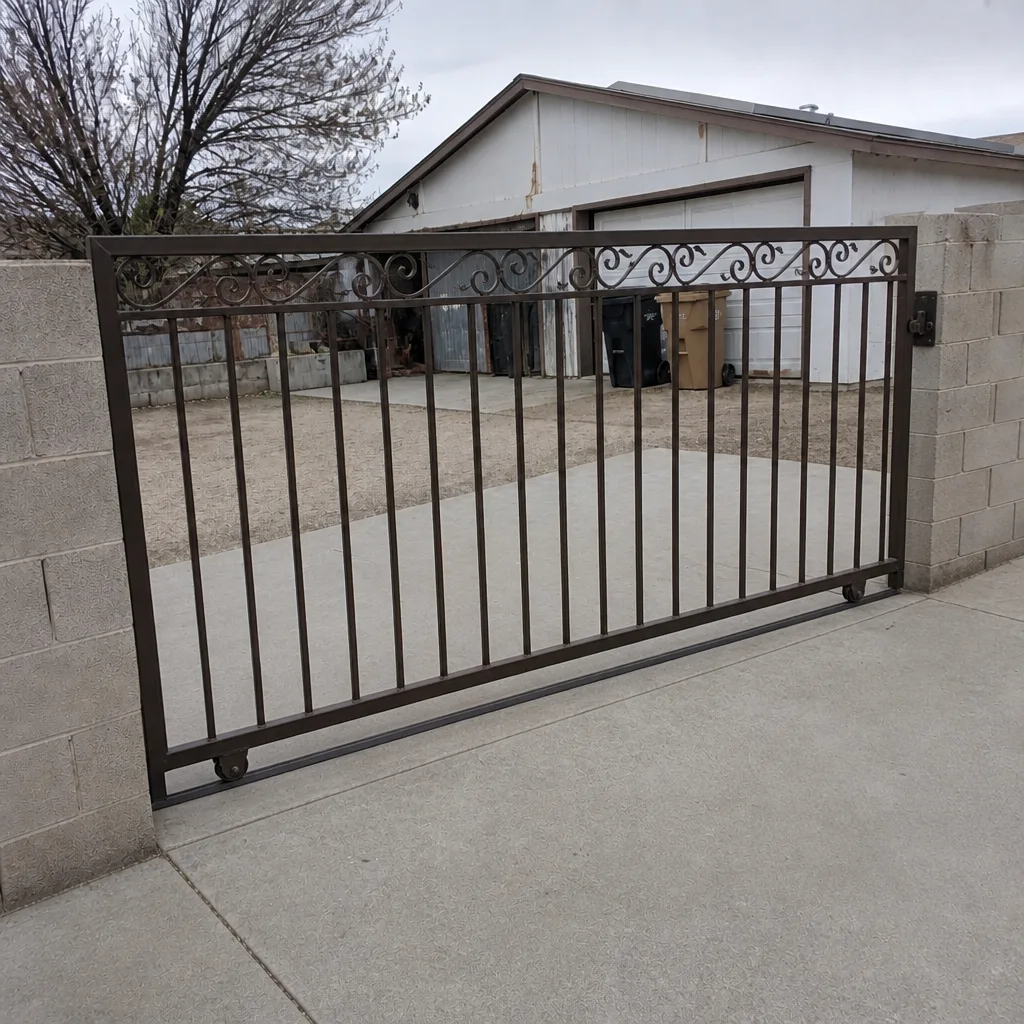
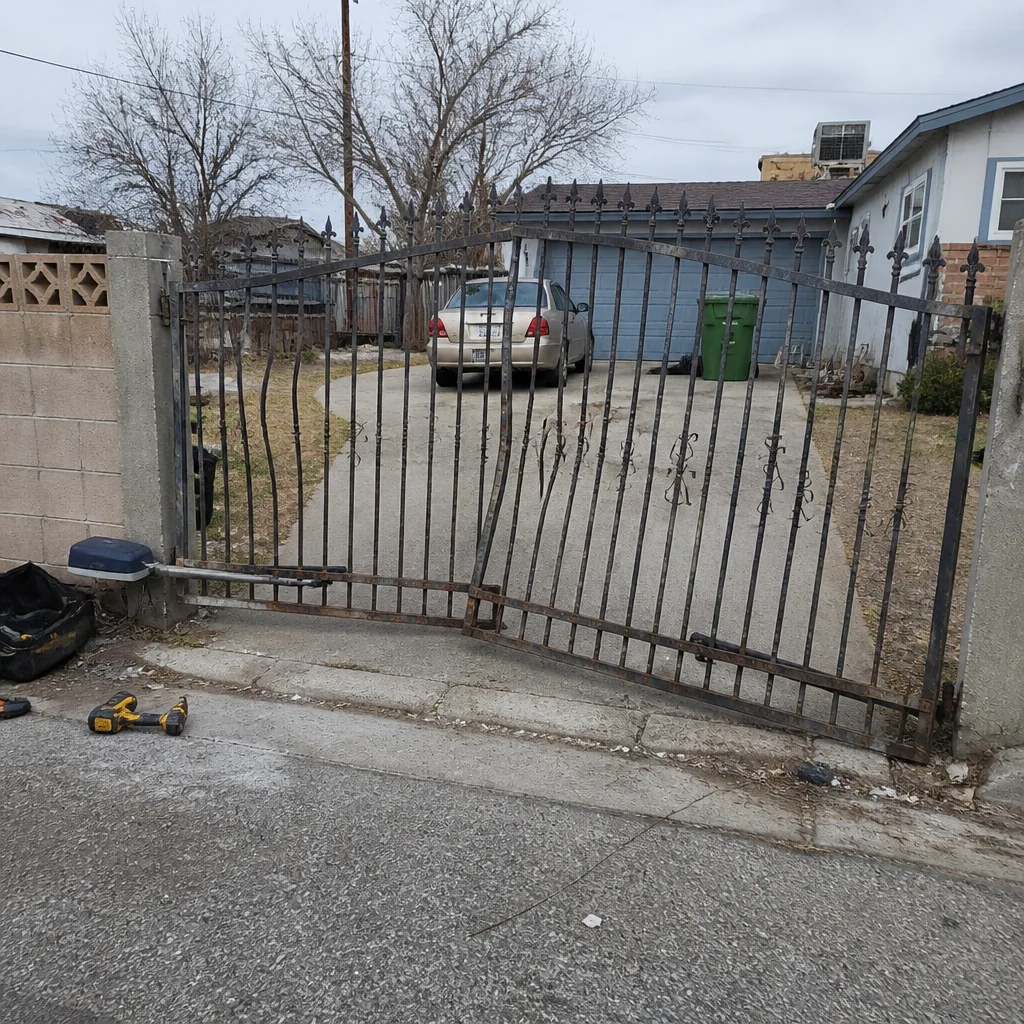 Before
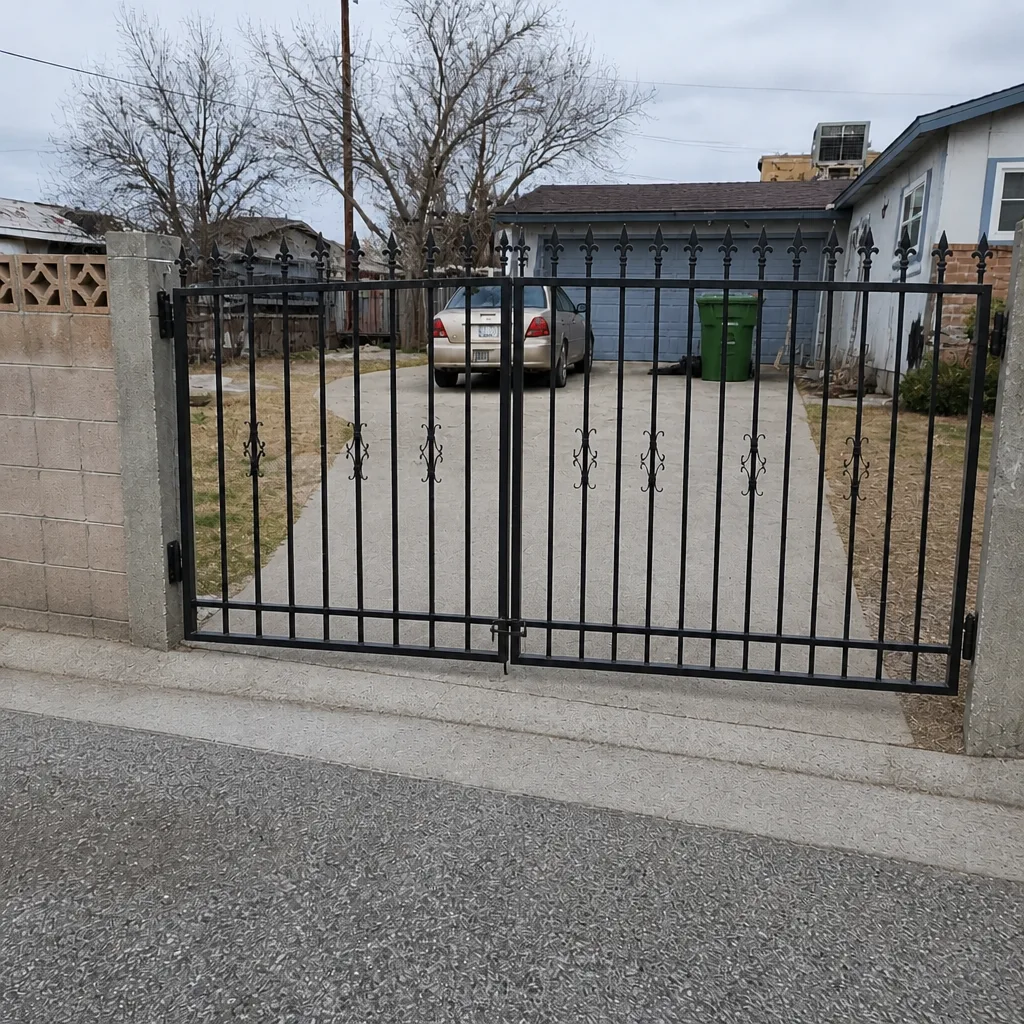 After
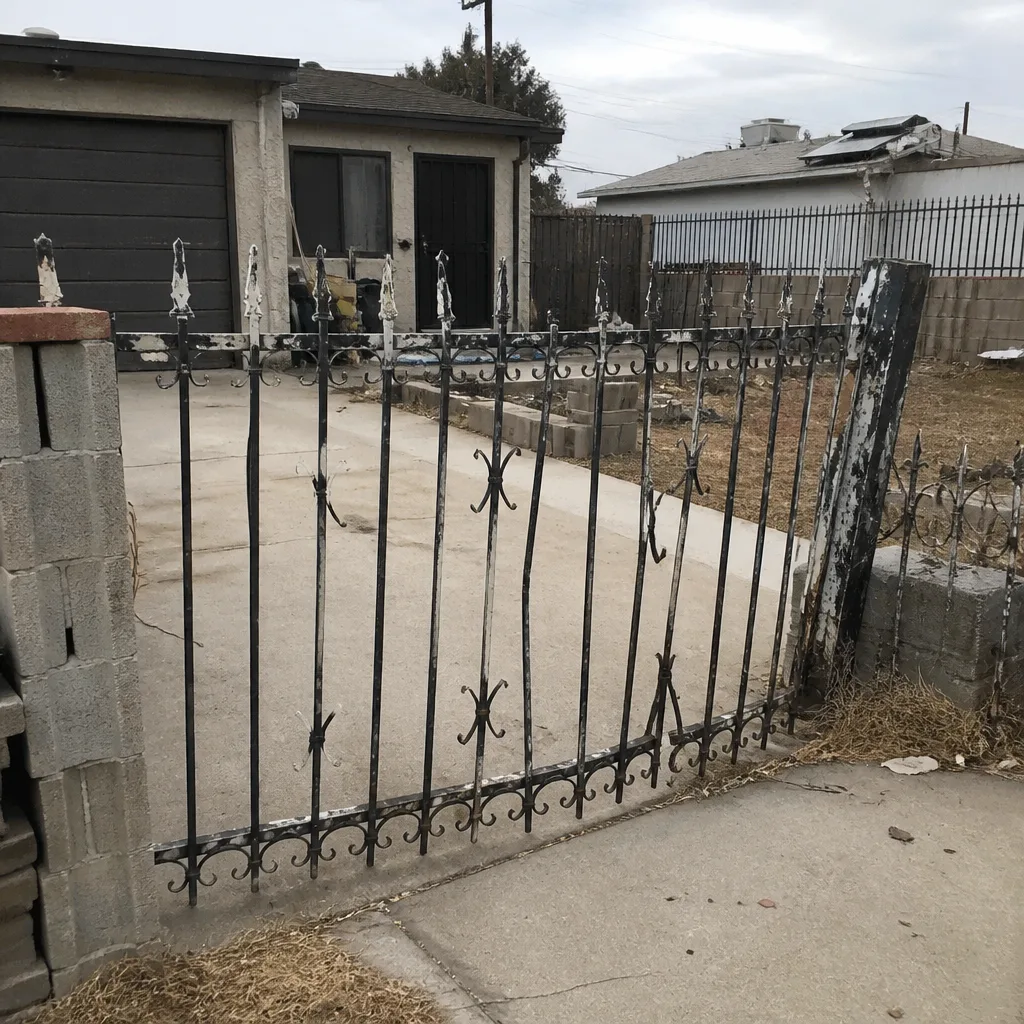
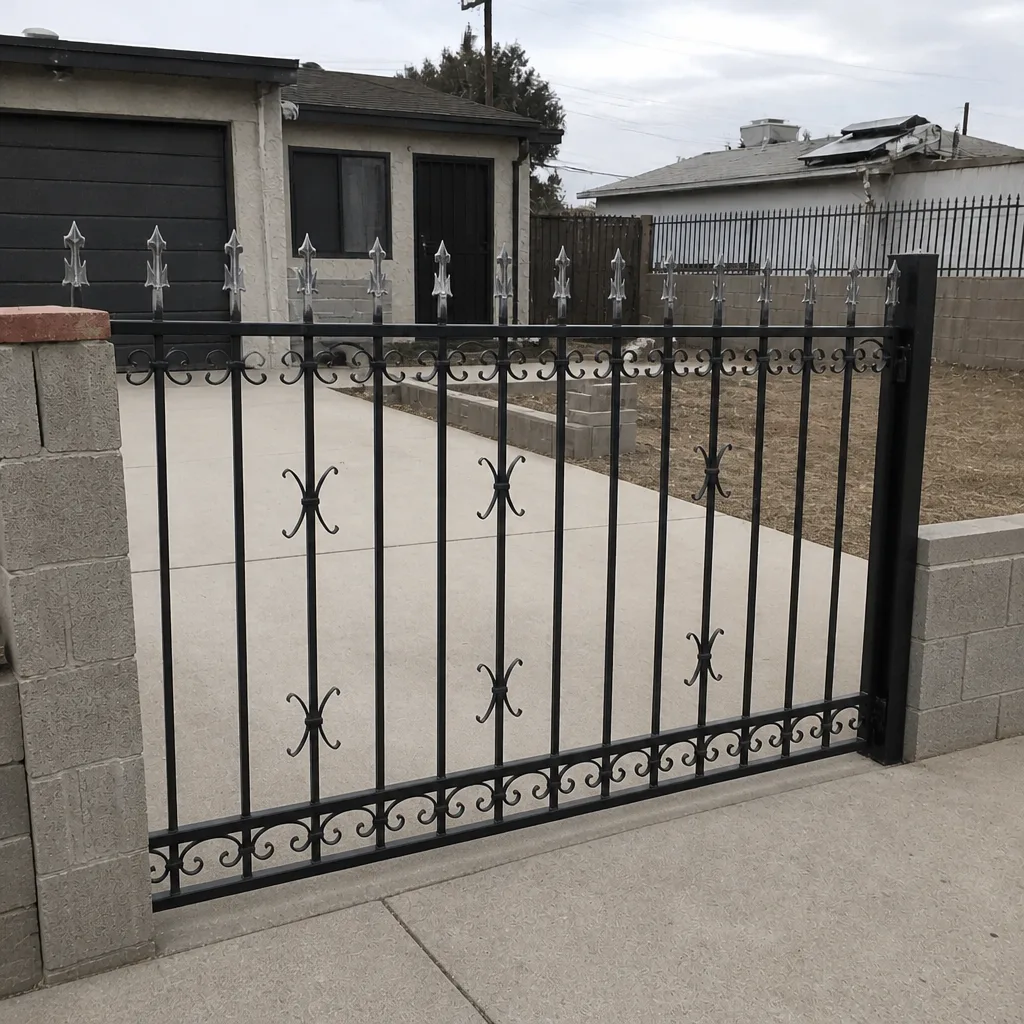
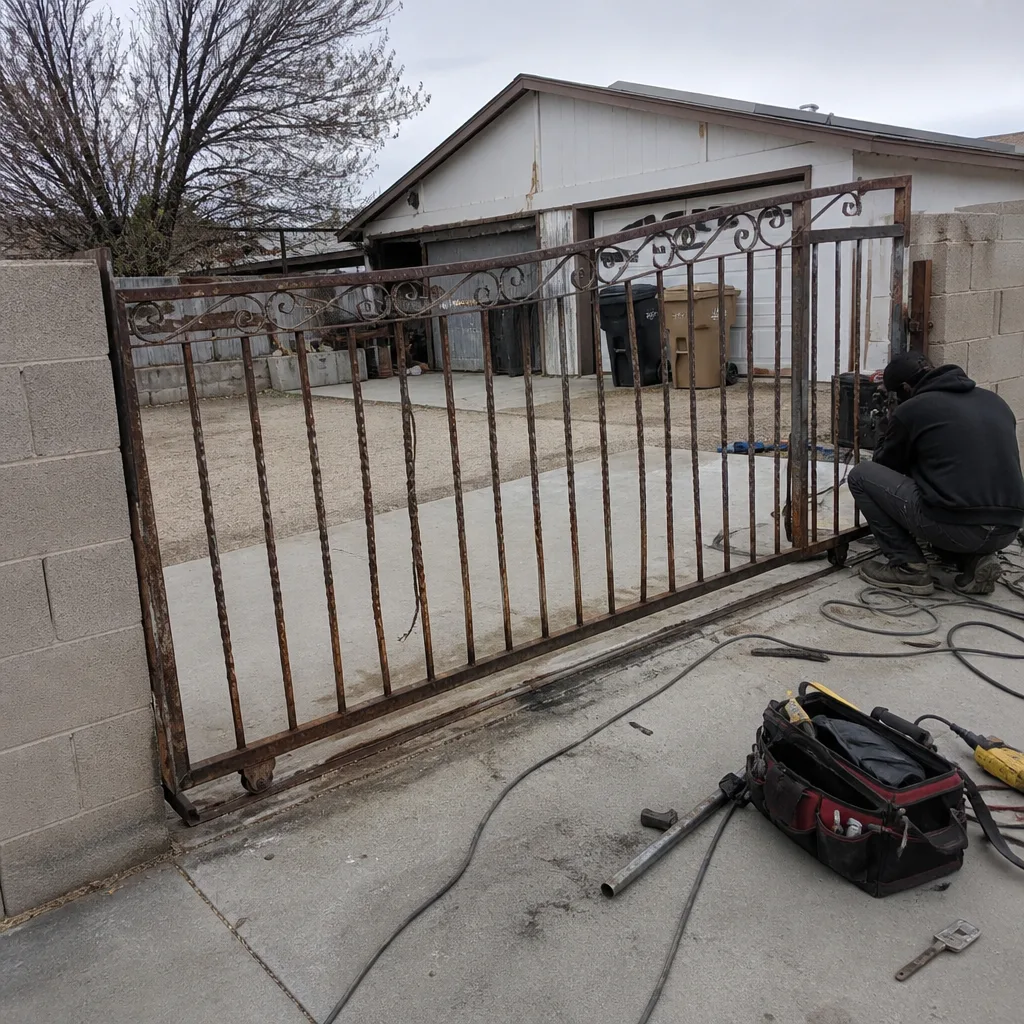 Before
 After
 Before
 After
Frequently Asked Questions
Twice a year – once in spring and once in fall. Sunrise Manor’s heat above 110°F and its strong UV dry out rubber, loosen hardware, and speed up rust faster than in cooler climates, so an annual check isn’t enough. The spring check catches winter damage before the heat; the fall check catches what the summer did.
Sometimes. If the sag is a loose hinge bolt or a worn hinge bushing, a homeowner with the right tools can tighten or replace the hardware. If the sag traces to the hinge post – which it often does – the post needs an anchor or a re-set, and that’s a job for a professional. Fix the panel without the post and you’ll fix it twice.
White lithium grease on hinges, hinge pins, and latches. Dry silicone spray on rolling tracks and wheels. Manufacturer-specified chain lube on chain-driven operators. Never grease a track or a chain travel path in the desert – it collects dust into a grinding paste that wears the parts faster.
Surface rust is cosmetic: it sits on top of solid metal and a fingernail won’t catch it. Structural rust has eaten into the metal and shows as flaking, pitting, thinning, or bubbling paint. Rust at a weld is always structural, and it needs on-site welding before the gate fails. When in doubt, get a free second opinion on any estimate.
The post base. Look at where each gate post meets the concrete or ground for separation, lifting, or cracks. Caliche heave and water cycles move a post slowly, and a moving post loads everything else on the gate – hinges, welds, the operator. Catching it early is a post anchor; catching it late is a post re-set or a replacement.
Generally no, if you know your operator’s manual release. Most LiftMaster, Elite, and Ghost Controls operators have a visible lever or key. If the release isn’t obvious or the gate doesn’t move freely once disengaged, stop and call a professional – forcing a release can damage the operator or drop the gate. Our Gate Motor & Opener in Sunrise Manor page covers operator-specific procedures.
The Bottom Line
Gates in Sunrise Manor fail in predictable ways, and almost all of them are cheap to catch and expensive to ignore. Check your hinges and hardware twice a year, test the balance by hand before the motor complains, read your rust before it becomes structural, lubricate with desert-rated products on a schedule, and look at your post base – the check most homeowners skip. A $12 hinge bolt caught in spring is a lot cheaper than a burned-out motor or a snapped post. When something’s beyond a wrench and a can of white lithium, that’s what we’re here for.
If you’d rather have a pair of eyes on it, or you’ve got a written estimate you want checked, call Gatewood Fence & Gate Sunrise Manor at (844) 761-8729 for a free estimate. We repair what other companies want to replace, we weld on site, and our technicians have up to 25 years of experience. Calls are answered by a live person 24/7. And if a repair is the cheaper, better call, we’ll tell you. For new gates or a full re-set, our Gate Installation in Sunrise Manor page has the details on measuring and scheduling.
Written by the team at Gatewood Fence & Gate Sunrise Manor.