
Last updated November 18, 2026
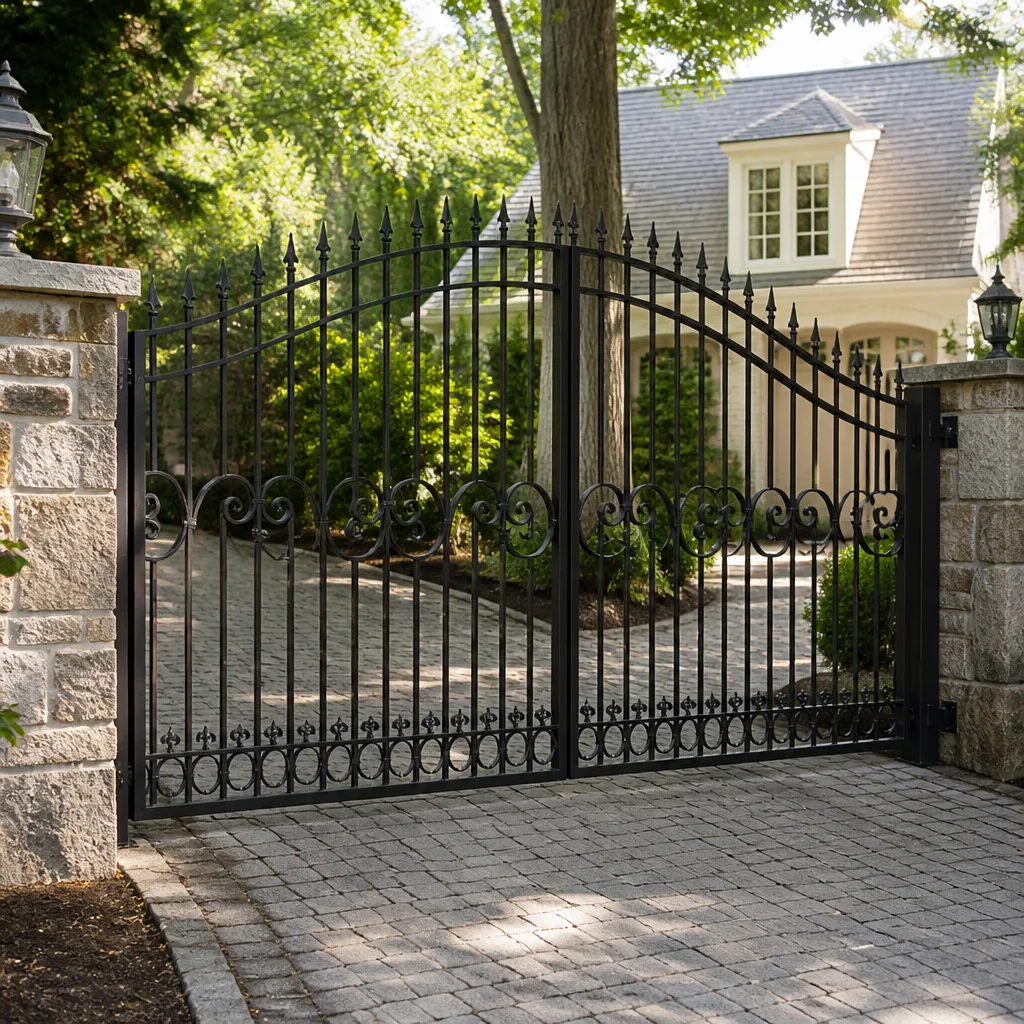 Wrought iron
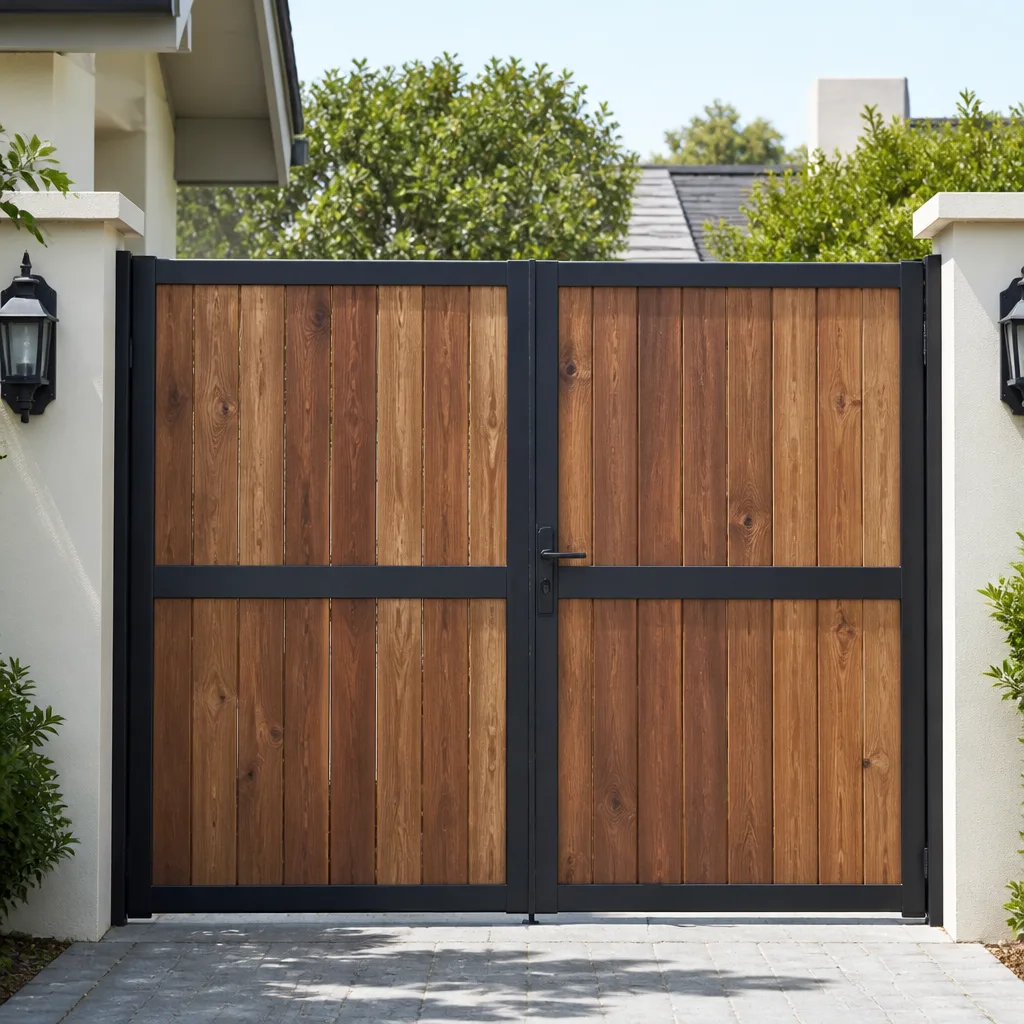 Wood & steel frame
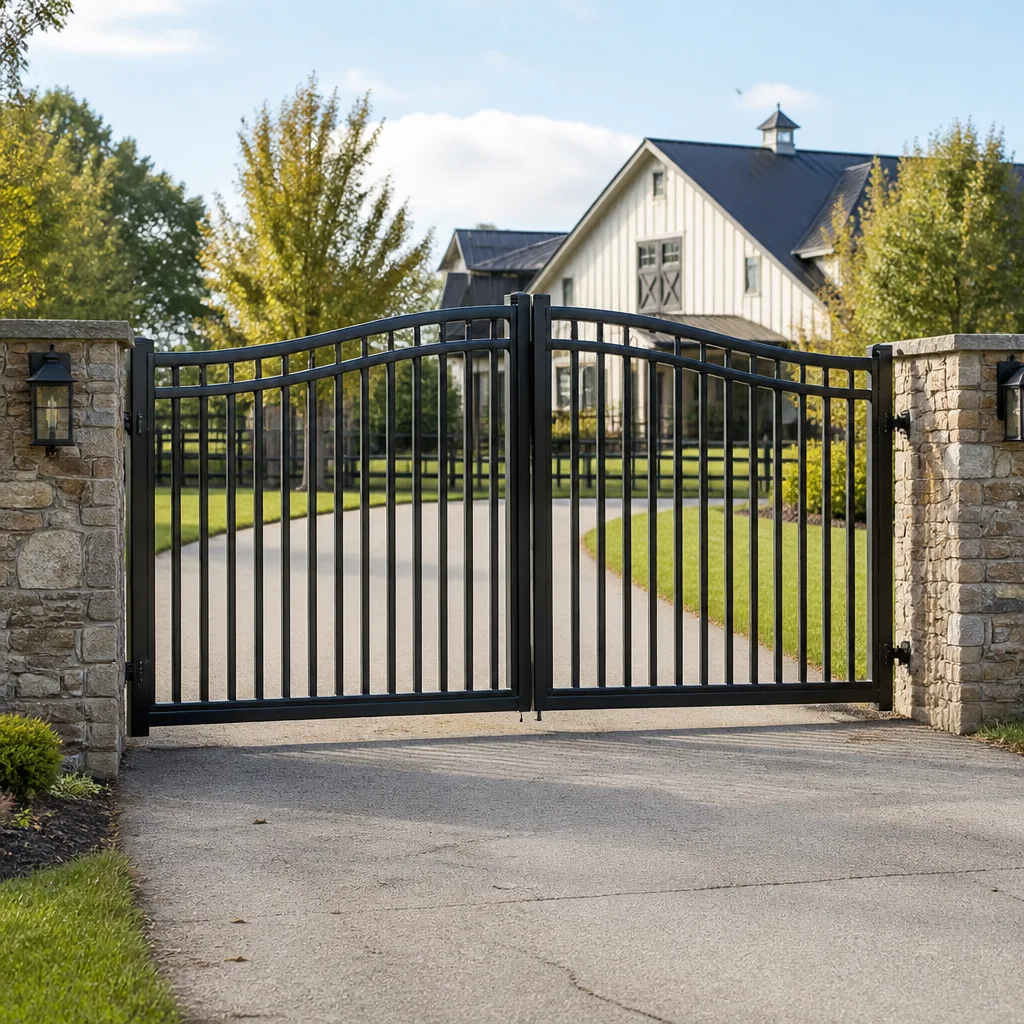 Farm & ranch
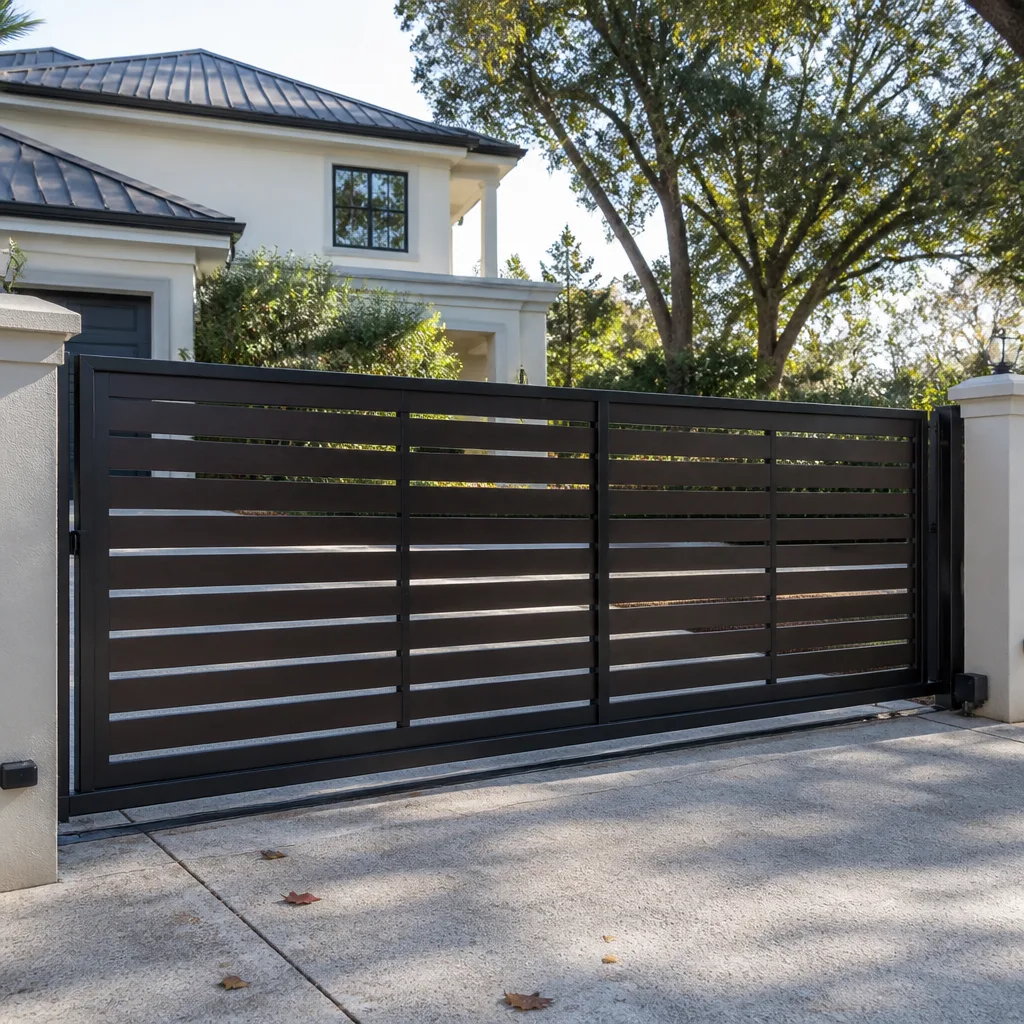 Sliding driveway gates
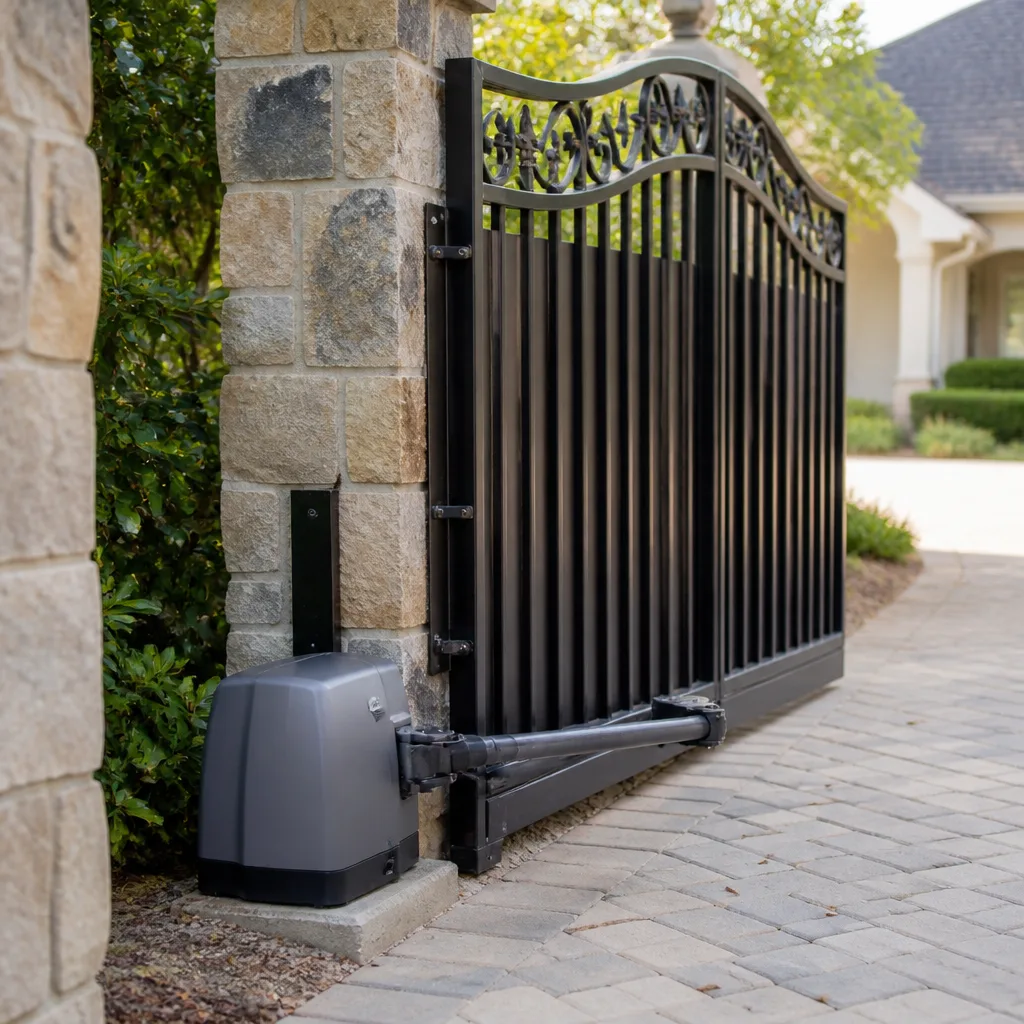 LiftMaster operators
Free on-site gate assessment - hinges, posts, and your LiftMaster or Nice gate operator checked before anything is quoted
The assessment is free and the quote is the invoice.
Get your free estimateDIY vs Professional Gate Installation: What’s Safe to Do Yourself
Install a gate wrong and you won’t know it for about a year. The posts go in, the gate swings, everybody’s happy – and then the frost heave, the swing drift, and the sagging latch start talking. The posts are the whole game in gate installation, and once they’re in concrete, every mistake you made setting them is locked in. That’s the part worth understanding before you rent a post-hole digger. In Sunrise Manor, where caliche and summer heat do a number on shallow footings, that truth shows up faster than most homeowners expect. This guide maps exactly where the hidden risk lives, what you can realistically hang yourself, and where the math stops working.
Quick Answer
A capable homeowner can usually install a simple manual swing gate on an existing fence line. Automatic openers, wide driveway spans, and any run on a sloped grade are where DIY goes sideways, because the mistakes hide below grade and inside the post spacing. If your gate is manual, narrow, and on flat ground, you can probably do it. If it needs a motor, spans more than about 12 feet, or sits on a grade, hire it out.
Styles & brands we work with
- Wrought iron
- Wood & steel frame
- Farm & ranch
- Sliding driveway gates
- LiftMaster operators
Table of Contents
- What You Can Realistically Install Yourself
- Where DIY Gate Installation Goes Sideways Fast
- The Tools and Math Most Homeowners Underestimate
- Mistakes That Look Fine on Day One and Cost You Later
- Clark County Permits and Inspections
- The Honest Cost Comparison
- Common Mistakes to Avoid
- When to Call a Professional
- Frequently Asked Questions
What You Can Realistically Install Yourself
There’s a real category of gate work that a handy homeowner with a Saturday and a truck can pull off. It’s the simple manual swing gate, roughly 3 to 5 feet wide, hung on an existing fence line that’s already plumb and set in solid ground. You’re adding a gate to a fence that’s already doing its job, not building the fence and the gate at the same time. That’s the honest dividing line.
Here’s what falls into the doable column:
- A single walk gate on a flat, existing fence line, 4 feet or narrower, with two posts you can set in undisturbed soil.
- A light ornamental or wood gate light enough that two people can lift it onto the hinges without a jig.
- A replacement gate in the same opening, same width, same swing direction, using the existing posts if they’re still sound.
What doesn’t belong in the DIY column: any automatic opener, any driveway gate wider than 12 feet, any gate on a grade steeper than a couple of inches over the span, and anything hung on a retaining wall or a post that’s showing movement. In Sunrise Manor, gates on the sloped lots toward Frenchman Mountain are a good example of a span that looks simple and isn’t. We’ve watched homeowners spend a weekend hanging a gate on a grade that started swinging open on its own within a week.
Where DIY Gate Installation Goes Sideways Fast
The failure modes cluster in three places, and all three are quiet on install day.
Automatic openers. This is the big one. An opener isn’t an accessory you bolt on after the gate’s up – the gate has to be built to carry it. The operator adds weight and torque to the hinge post, the safety edges need a power run, and the whole thing has to be wired and calibrated so it reverses on contact. We service LiftMaster and FAAC operators across Sunrise Manor, and a large share of the “it won’t close right” calls start with an opener the homeowner mounted on a gate that was never sized for it. Brands like FAAC and Linear build good operators, but they assume the gate was built right first.
Wide driveway spans. A 16-foot gate on two posts is a lever, and the wind in the east valley pushes it. Undersized posts flex, the gate racks, and the latch misses by an inch by month three. Wide spans need bigger posts, deeper footings, and often a center support the homeowner never planned for.
Sloped grades. A gate that swings uphill has to be built to clear the ground through the whole arc, and the post spacing has to account for the rise. Set the posts level to each other and the gate buries itself at the low end. Set them on the grade and the gate hangs crooked. This is where post spacing math stops being simple.
The Tools and Math Most Homeowners Underestimate
A level isn’t enough. That’s the line we hear most often from people who tried this already, and they’re right. A torpedo level tells you a post is plumb in one direction. It doesn’t tell you the two posts are plumb to each other, that the gate opening is square to the fence, or that the footing is deep enough to hold through a Sunrise Manor summer, when the ground moves with the heat and the soil dries hard.
Here’s the realistic kit:
- A 4-foot or longer level, plus a string line to keep both posts on the same plane.
- A post-hole digger and a digging bar, because Sunrise Manor soil toward the edges of town turns rocky fast.
- The right concrete mix. A gate post needs a real footing, not a bag of fast-set poured dry. Mix ratios matter – too wet and it shrinks and cracks; too dry and it never reaches strength.
- Post spacing math done before you dig. Hinge post, latch post, gate width plus clearance for the hinges and latch. Get the opening an inch wide and the latch won’t catch; get it an inch narrow and the gate won’t swing.
- A helper. A gate is heavier than it looks when you’re holding it level with one hand.
The posts are the whole game. Once they’re in concrete, every mistake you made setting them is locked in. If your math is off by two inches at the bottom of the hole, it’s off by two inches at the top of the post, and correcting it means breaking out concrete.
Mistakes That Look Fine on Day One and Cost You Later
These are the ones that pass the eyeball test on install day and then start costing money. In our experience servicing gates around Sunrise Manor, they account for the majority of repeat repairs.
- Footings too shallow. A gate post wants a real footing. Set too shallow, the first good wind or the first hard rain loosens it, and the gate starts leaning toward the neighbor’s yard.
- Concrete packed around a post that isn’t plumb. Looks fine until the gate swings. By month four, the hinge side has drifted and the latch no longer meets the catch.
- Hinges mounted to a post that’s too small. The hinge has to carry the whole weight of the gate. Undersized, it sags at the hinge, and the gate drops until it drags.
- Post spacing that ignores the hardware. Gate width plus hinge projection plus latch clearance – skip any of it and the gate either won’t latch or won’t open.
- No allowance for the grade. A gate hung level on a sloped opening buries itself at the low end. You feel it as “the gate’s dragging” a month later.
- Skipping the permit. More on this below, but the short version: correcting an unpermitted install costs more than doing it right the first time.
Each of these is cheap to get right and expensive to fix. Pulling a gate off to reset a footing means re-digging, re-pouring, and re-hanging – which is most of the labor of the original install, done twice.
Clark County Permits and Inspections
Permit rules apply whether you swing the gate yourself or hire it done. In Clark County, most gate installations attached to a fence line are covered under fence permit rules, and any gate tied to an automatic opener, an electrical run, or a structural post arrangement generally lands in a permit-and-inspection category. The exact requirement depends on the height, the span, and whether the gate is on a property line.
The practical version for a Sunrise Manor homeowner:
- Check before you dig. A quick call to Clark County Building lets you know whether your gate needs a permit. A simple walk gate often doesn’t; a driveway gate or anything with an operator often does.
- Know where your property line is. Gates on or near the line get more scrutiny, and so do gates that affect drainage toward a neighbor.
- Expect an inspection if the gate is permitted. That means the footing and posts have to be right before the concrete cures, because an inspector will look at what’s above grade and what’s been documented below it.
This is one of the quieter advantages of hiring a pro: the permitting and inspection paperwork gets handled, and you’re not the one trying to schedule an inspector between a day job and a doctor’s appointment. But permits are about the work, not the installer, and a do-it-yourselfer can pull a permit. Just know it’s part of the job before you start.
The Honest Cost Comparison
The DIY-versus-professional math is where the conversation usually goes wrong, because it compares a perfect DIY install against a professional quote. The right comparison is the realistic one: DIY done right, DIY done wrong and corrected, and professional done once.
- DIY done right: materials, concrete, a rented post-hole digger, a helper, and a weekend or two. Cheapest number on paper, and it can work for a simple manual gate.
- DIY done wrong and corrected: the original materials plus the cost of breaking out and re-setting footings, re-hanging the gate, and in some cases correcting an unpermitted install. That correction job is where the savings disappear, and we see it every month in Sunrise Manor.
- Professional done once: a quoted, written price that covers measuring, posts, footings, gate, hardware, and the correct hang. One job, one write-up, no repeat weekend.
The cost of correcting a DIY installation that went wrong is usually close to or above what the original install would have cost. A gate that leans after a year doesn’t just need leveling – the post has to come out, and that’s a new footing. When you add the second weekend, the rented tools, and the risk of a gate that fails a safety check, the “cheaper” install stops being cheaper. We quote the price and get it agreed before any work starts, so there’s no surprise on the invoice.
Common Mistakes to Avoid
- Digging before the math is done. Get the gate width, hinge projection, and latch clearance measured and written down before the first shovel goes in. In Sunrise Manor, rocky ground means you don’t want to re-dig.
- Setting posts to a level that’s only plumb in one direction. Both posts need to be plumb and in the same plane. A single-direction level will pass a crooked gate every time.
- Skipping the grade. On a sloped lot, the gate has to clear the ground through its full arc, not just where it rests open.
- Mixing concrete by eye. A footing that’s too wet shrinks and cracks; too dry and it never sets up. Follow the bag ratio, and give it the full cure time before you hang the gate.
- Bolting an opener onto a manual gate. The gate has to be built to carry the operator. We’ve seen FAAC and Linear operators blamed for failures that started with the gate underneath them.
- Assuming a permit isn’t needed. A driveway gate or anything with an opener usually needs one in Clark County. Check before you start.
- Hanging on a post that’s already moving. If the existing post has any wobble, the gate’s inherited problem, and no amount of adjusting the hinges will fix it.
When to Call a Professional
Call a pro when the gate needs an opener, when the span is wider than about 12 feet, when the ground is on any real grade, or when you’re not sure the posts will hold. Those four things account for nearly every difficult gate install we see. A call is also the right move when you’re on a timeline or when a permit and inspection are in play and you’d rather not manage them yourself.
Gatewood Fence & Gate Sunrise Manor offers free estimates in Sunrise Manor. We measure, quote a written price, and agree it with you before any work starts. Our technicians have up to 25 years of experience, and we’re certified on nine major gate brands including LiftMaster, FAAC, Linear, and BFT. We handle gate installation in Sunrise Manor and gate motor & opener service in Sunrise Manor if you’re ready for the operator side, and we do gate repair in Sunrise Manor when a DIY install has started to sag. You can learn more at our Gatewood Fence & Gate Sunrise Manor home page.
Frequently Asked Questions
You can install a simple manual driveway gate yourself if it’s narrow and on flat ground, but most driveway gates are wide spans or need an opener, and both of those tilt the install toward a professional. A driveway gate wider than about 12 feet needs bigger posts and deeper footings than a homeowner typically plans for, and an automatic opener has to be matched to the gate. Call (844) 761-8729 for a free estimate and we’ll tell you honestly whether it’s a DIY job or not.
A professional gate installation in Sunrise Manor depends on the gate type, width, and whether an opener is involved, so we quote it after measuring. We give a written price and agree it before any work starts. The number to compare against is the cost of correcting a DIY install gone wrong, which is often close to or above the original install. Call (844) 761-8729 for an exact quote – estimates are free.
It depends on the gate. A simple walk gate on an existing fence line often doesn’t need a permit, while a driveway gate, a structural post arrangement, or anything with an automatic opener generally falls into the permit-and-inspection category in Clark County. Check with Clark County Building before you dig so you’re not correcting an unpermitted install later. We handle the permitting on our installs – call (844) 761-8729.
Footings and post spacing, in that order. The posts are the whole game, and once they’re in concrete, every mistake is locked in. A footing that’s too shallow or a span that’s off by two inches looks fine on day one and shows up as a sagging, catching, or leaning gate within a year. A pro measures the opening and sets the footing correctly the first time.
Sometimes, but the gate has to have been built to carry the operator in the first place. An opener adds weight and torque to the hinge post and needs a power run plus safety edges, and a gate hung on undersized posts will flex and misalign under an operator. We service LiftMaster, FAAC, Linear, and BFT operators, and we’ll evaluate your gate honestly before recommending an opener.
It covers our work. If a gate installation done by Gatewood Fence & Gate Sunrise Manor isn’t right within 90 days, one call brings us back and we make it right, and it’s stamped in writing on every job – no runaround, no fine print. Call (844) 761-8729 to get a free estimate and see the promise before you decide.
The Bottom Line
You can hang a simple manual swing gate yourself, and if it’s narrow, flat, and on an existing fence line, that’s a reasonable weekend project. The variables that make a gate go wrong – footings, post spacing, grade, operators, and permits – are mostly invisible until the concrete has set, and by then the correction costs most of what the original install would have. If your gate needs an opener, a wide span, or sits on a grade, hire it out and get it right once. Gatewood Fence & Gate Sunrise Manor quotes the price in writing and agrees it before work starts, backed by the 90-Day Done Right Promise.
If you’d rather have the gate measured and quoted properly than discover the math is off a year from now, call (844) 761-8729 for a free estimate. We’ll show up, look at the opening, and tell you straight whether it’s a DIY job or one worth handing off.
Written by the team at Gatewood Fence & Gate Sunrise Manor.
See the difference
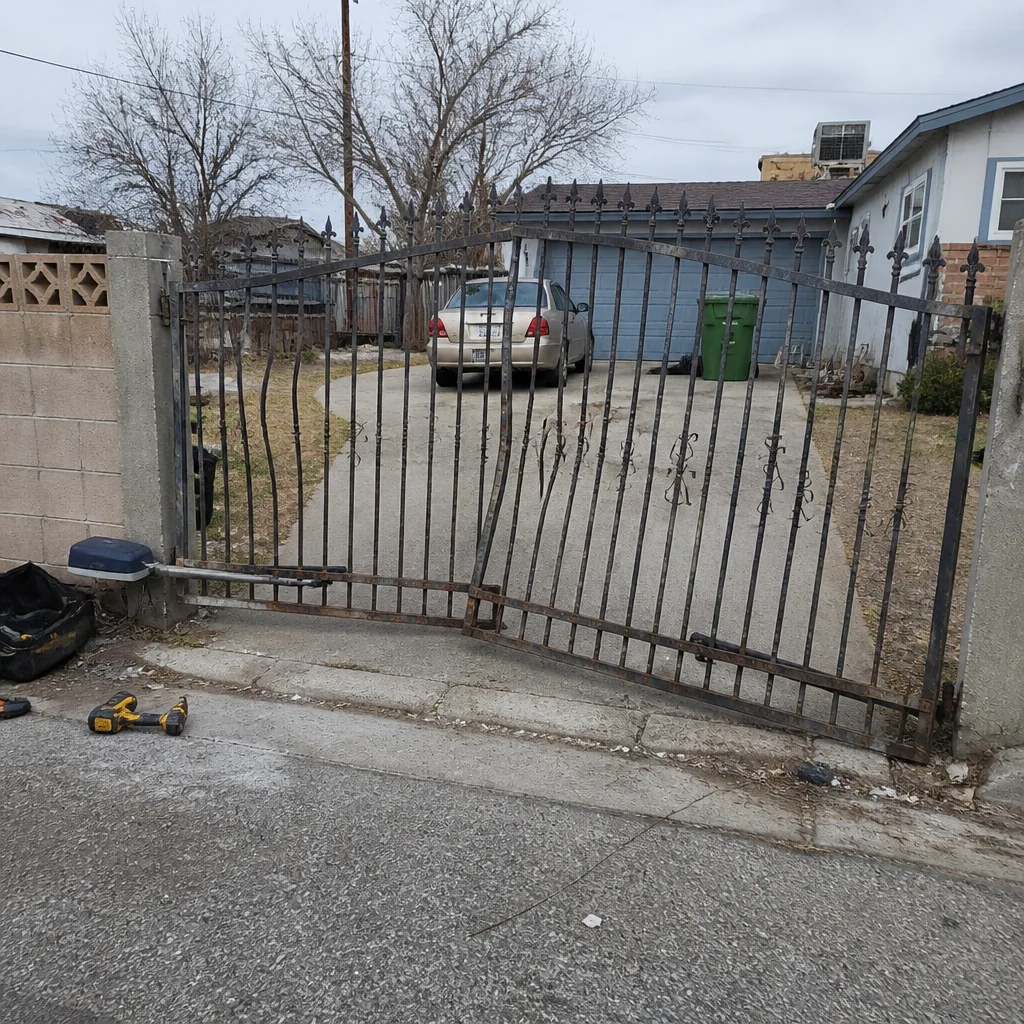 Before
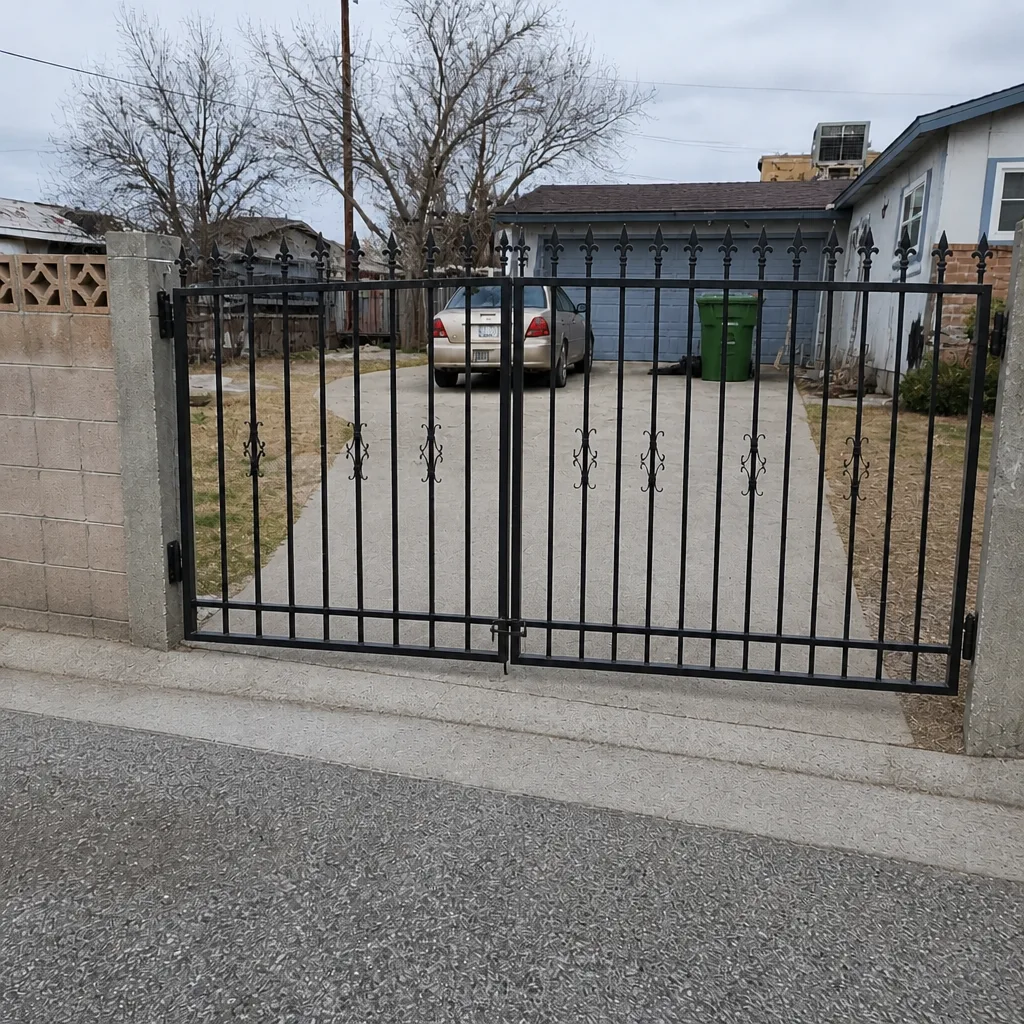 After
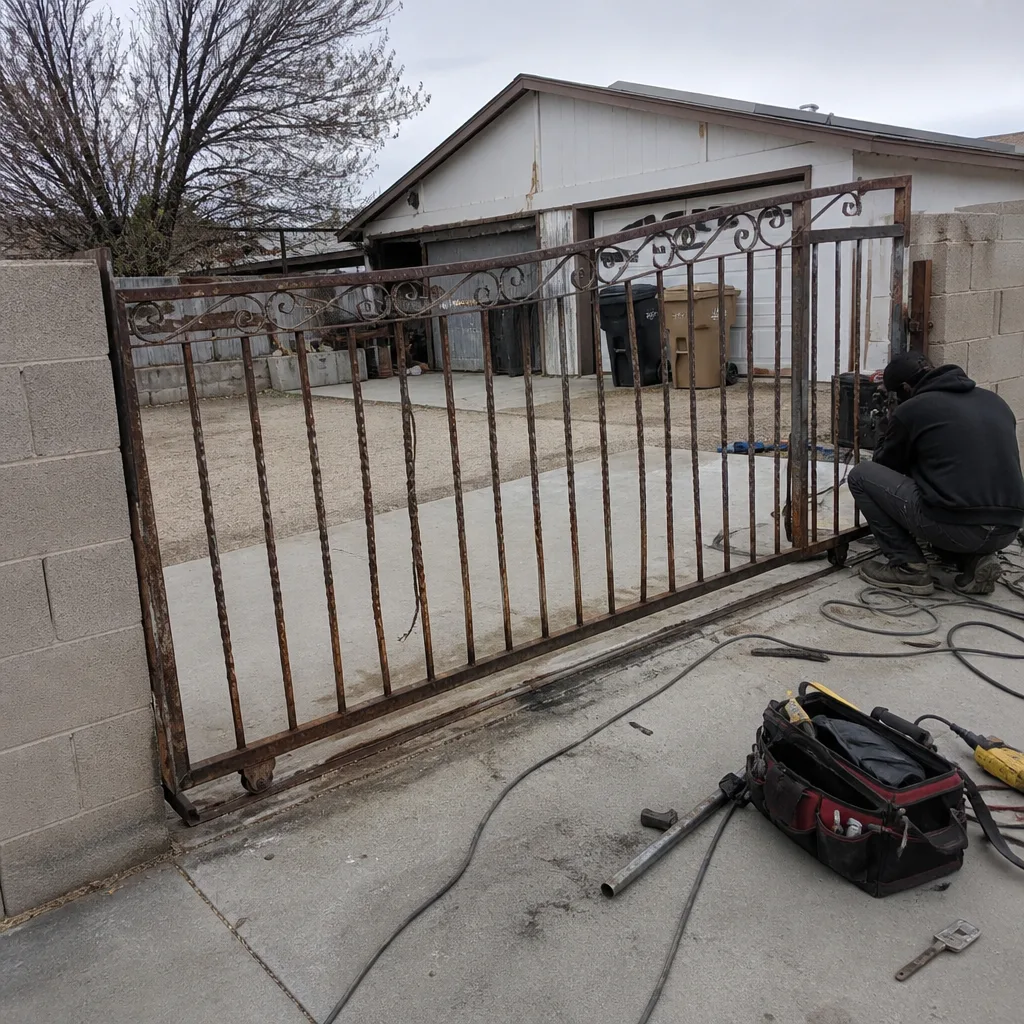 Before
 After
 Before
 After